FIR lodged after 3 women journalists allege sexual harassment at Delhi protest
Source Entity
PRACHI KUMAWAT
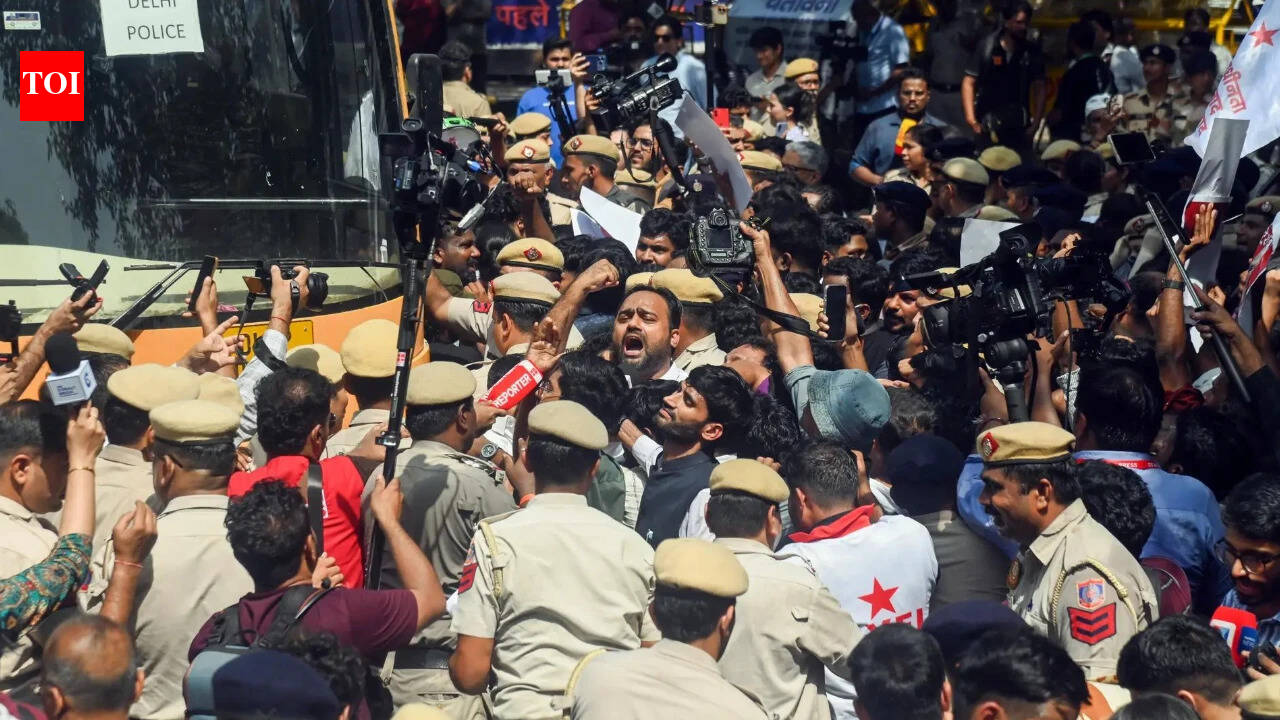
The Cockroach Janta Party (CJP), led by Abhijeet Dipke, has launched a nationwide protest demanding the resignation of CEC Gyanesh Kumar. The movement alleges irregularities in 2025 electoral roll deletions and seeks systemic reforms in the Election Commission's appointment processes.
The Cockroach Janta Party's Nationwide Agitation: An Overview
The political landscape in India has seen a new development with the Cockroach Janta Party (CJP), headed by founder Abhijeet Dipke, announcing a series of nationwide protests. Commencing on October 2, 2026, from Mumbai’s Shivaji Park, the movement aims to challenge the current leadership of the Election Commission of India (ECI), specifically targeting Chief Election Commissioner (CEC) Gyanesh Kumar. This agitation, described by the organizers as a "Jail Bharo Andolan," is slated to expand across major urban centers, including Goa, Bengaluru, and Kolkata, before reaching its final destination at Jantar Mantar in New Delhi.
Core Grievances and Allegations
At the heart of the CJP's protest is an investigation regarding Special Intensive Revision (SIR) voter deletions. Dipke and his fellow leaders, such as Saurav Das, have publicly alleged that these deletions have significantly disenfranchised a large number of voters. The rhetoric from the party has been pointed, with Dipke labeling the CEC as a "traitor" and accusing the Commission of functioning under the influence of the executive branch. These accusations form the basis of their demand for criminal action against Gyanesh Kumar, alleging that the poll body’s recent actions have compromised the integrity of the electoral process.
Strategic Demands for Reform
The CJP has outlined three primary demands intended to address what they perceive as a systemic failure within the ECI. First, they are calling for the immediate resignation of CEC Gyanesh Kumar. Second, they demand the freezing of the electoral rolls prepared in 2025, insisting that future elections be conducted based on the established rolls to prevent further alleged irregularities. Finally, the party is advocating for a structural overhaul in how Election Commissioners are appointed. They propose an independent, transparent process that incorporates participation from civil society to ensure impartiality in future appointments.
Political Implications and Escalation
The movement has not shied away from escalating its rhetoric against the highest levels of the Indian government. During a press conference at the Mumbai Press Club, Abhijeet Dipke issued a direct challenge to CM Fadnavis and suggested that if the CEC does not step down, the party will shift its focus to demanding the resignation of Prime Minister Narendra Modi. This tactic signals a broader attempt to link local electoral roll concerns to national political accountability, positioning the CJP as a vocal opposition force during a period of heightened sensitivity regarding electoral transparency.
Future Trends and Movement Trajectory
As the protests move from Mumbai to other major cities throughout October, the CJP intends to keep the pressure on the Election Commission. By utilizing the "Jail Bharo Andolan" model—a traditional form of civil disobedience in India—the group aims to maximize public visibility and mobilize those affected by the alleged roll deletions. The success of this movement will likely depend on the group's ability to sustain momentum across different states and the government's response to these public demonstrations. For now, the conflict between the CJP and the ECI represents a significant flashpoint in the discourse surrounding the independence and administration of India's democratic institutions.
Multiple Citing Sources