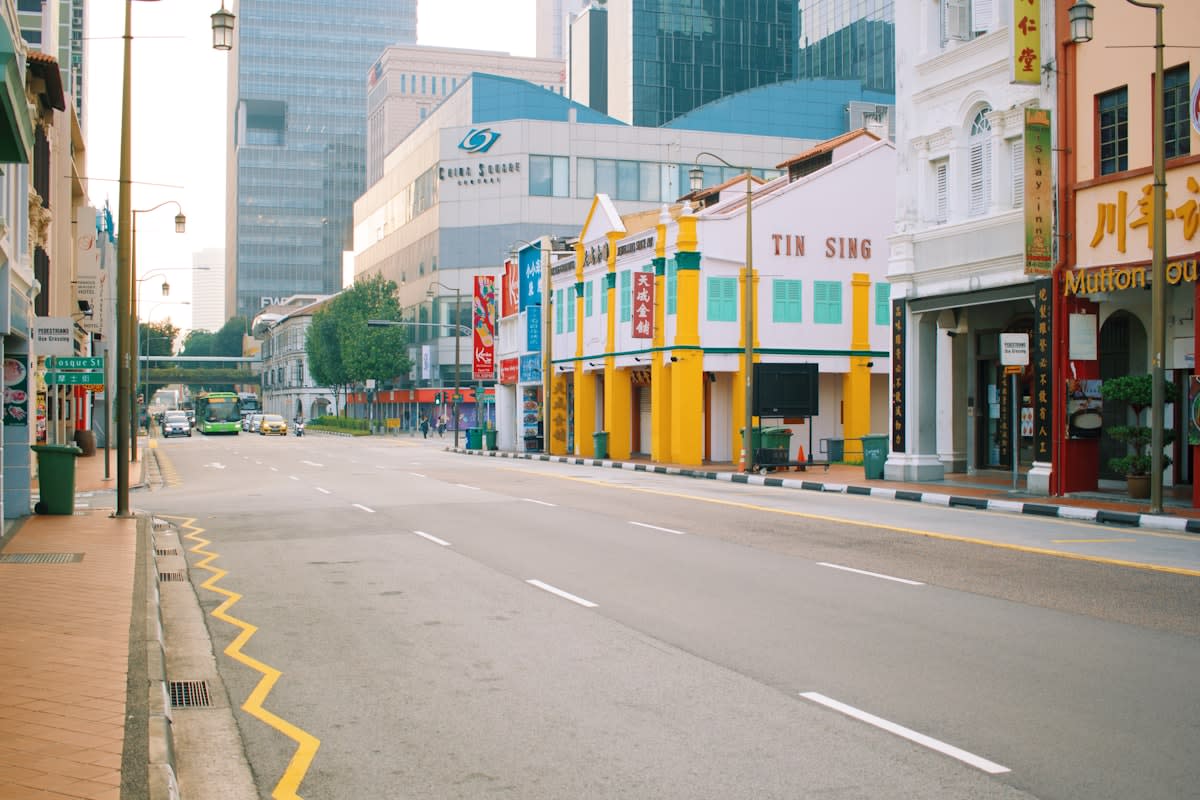
The Great Luminescent Pivot
The urban night has long been a battle between safety and energy. For a century, we have fought the darkness with an increasingly efficient but fundamentally extractive method: pumping electrons through copper wires to excite diodes. Now, the paradigm is shifting. We are witnessing the birth of the bio-luminescent city, where the infrastructure is not built, but grown. By leveraging synthetic biology, architects and biologists are creating a world where streetlights are replaced by glowing perennials and facades are coated in light-emitting algae.
This transition represents a fundamental rewrite of urban metabolism. Instead of relying on a centralized grid that is vulnerable to failure and dependent on power plants, the bio-city decentralizes light production. Every leaf becomes a lamp, and every root system acts as a biological battery. This shift removes the systemic vulnerability of a single point of failure in a city's electrical infrastructure. Why rely on a power plant miles away when the tree on your corner can power its own glow?
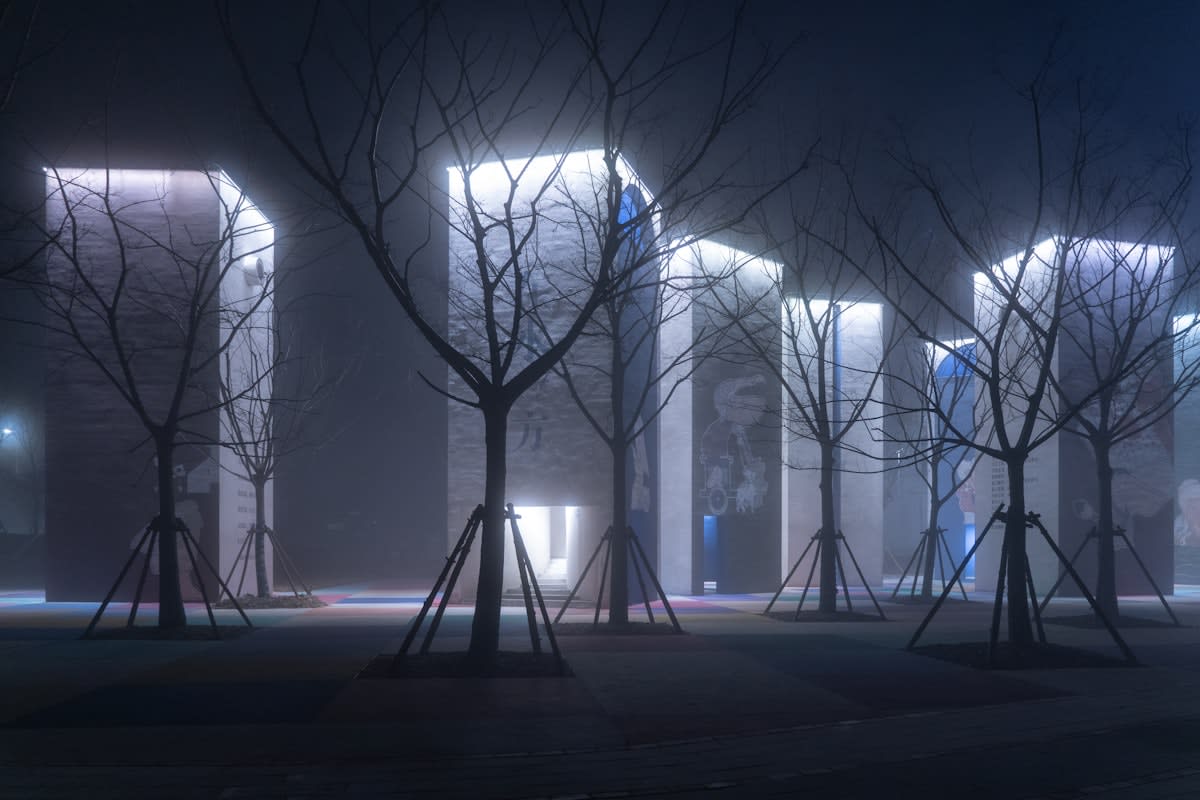
The delta in this technology over the last twelve months is staggering. A year ago, bioluminescent urbanism was largely confined to short-lived bacterial cultures in glass tubes or conceptual art installations that required external chemical feeding. Today, the focus has shifted toward permanent, self-sustaining genetic integration. We have moved from 'additive' lighting—where chemicals are added to a plant—to 'intrinsic' lighting, where the plant's own metabolic pathways are re-engineered to produce light as a byproduct of respiration.
"We are no longer just building cities inside nature; we are engineering nature to be the city's utility provider. The streetlight is an obsolete technology."— Dr. Elena Voss, Lead Synthetic Biologist
The science relies on the integration of the fungal bioluminescence pathway, specifically the caffeic acid cycle, into the DNA of vascular plants. By inserting genes from fungi like Neonothopanus nambi, scientists have enabled plants to convert caffeic acid—a molecule found in all plants—into luciferin, which then emits a steady, soft green glow. This process is autonomous. It requires no plugs, no batteries, and no maintenance beyond standard gardening. The plant simply breathes and glows.
Market Acceleration
The synthetic biology market is currently expanding at a CAGR of approximately 20%, with urban infrastructure emerging as one of the fastest-growing application sectors for genetic lighting.
Global adoption is not uniform, but the hotspots are telling. Singapore is leading the charge, integrating bioluminescent flora into its 'City in Nature' vision to reduce the urban heat island effect while providing ambient lighting. In the Netherlands, experimental alleys in Rotterdam are testing glowing pathways to reduce the need for high-intensity LED streetlamps. Meanwhile, Japanese urban planners in Tokyo are exploring 'bio-glow' zones to create safer, softer pedestrian walkways that do not disrupt the sleep patterns of residents.
This is a strategic move toward resilience. In cities like Sao Paulo or Jakarta, where power grid stability can be erratic, biological lighting provides a fail-safe. A city that glows independently of the grid is a city that cannot be plunged into darkness by a transformer failure or a cyber-attack. This biological redundancy is becoming a key pillar of modern urban security planning.
| Feature | LED Street Lighting | Bio-Luminescent Lighting |
|---|---|---|
| Energy Source | Electric Grid | Plant Metabolism |
| Carbon Footprint | Positive (Production/Usage) | Negative (Carbon Sequestration) |
| Maintenance | Technical/Electrical | Horticultural |
| Wildlife Impact | High (Disrupts Migration) | Low (Soft Spectral Output) |
| Infrastructure Cost | High CAPEX (Wiring/Poles) | Low CAPEX (Seedling/Planting) |
Beyond the energy savings, the environmental impact is profound. Traditional street lighting contributes to massive light pollution, which disrupts avian migration and human circadian rhythms. Bio-lighting emits a specific spectral frequency that is significantly less intrusive. Pilot zones have reported a 50% decrease in perceived light pollution, returning the night sky to urban dwellers without sacrificing the visibility required for pedestrian safety.
The economic argument is equally compelling. Municipalities currently spend millions on the installation and upkeep of electrical poles and wiring. Switching to a biological model converts a technical expense into a green asset. A bioluminescent tree doesn't just provide light; it filters the air, reduces storm-water runoff, and lowers the ambient temperature of the street. The ROI is measured not just in kilowatts saved, but in public health outcomes.
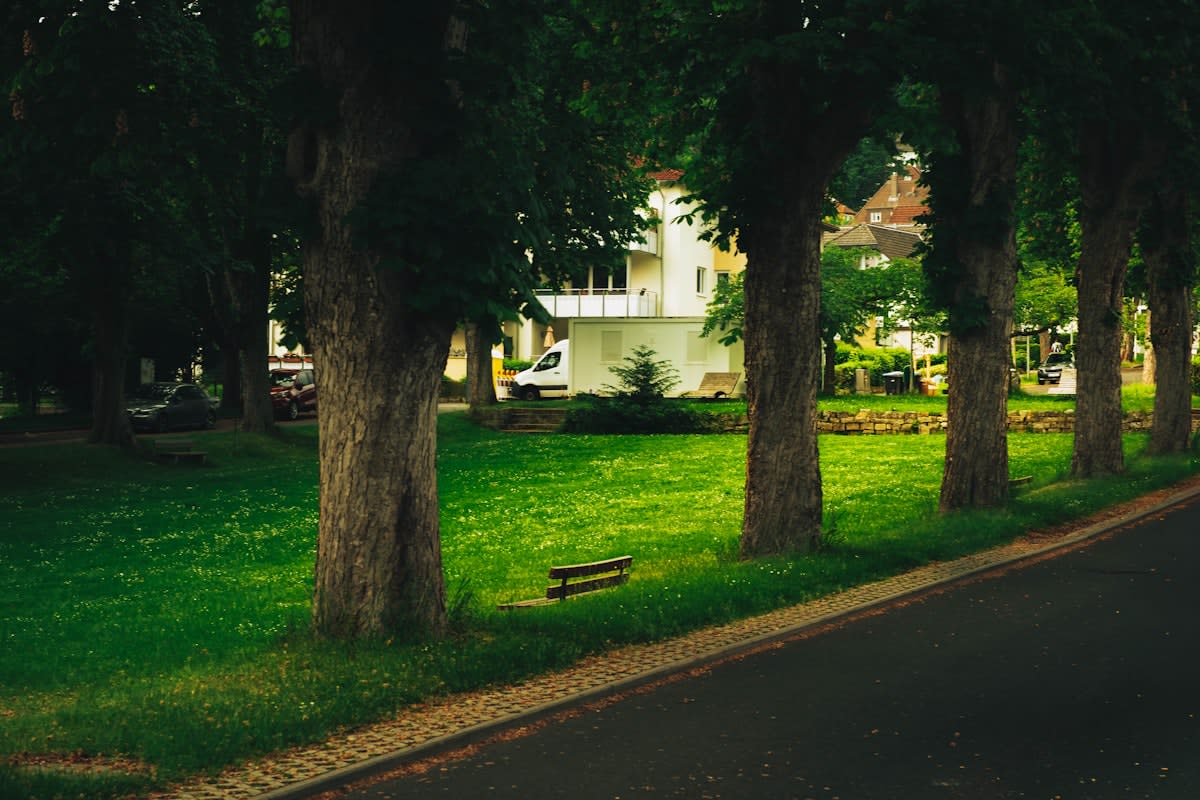
However, the path to mass adoption is not without friction. The primary hurdle is regulatory. In the European Union, strict GMO laws have slowed the deployment of synthetic plants in open urban spaces. The fear of genetic drift—the possibility of synthetic genes leaping into wild populations—is a valid concern that biologists are addressing through 'genetic kill-switches'. These built-in safeguards ensure that synthetic plants cannot reproduce in the wild, limiting their existence to managed urban environments.
The timeline for full-scale integration is accelerating. We are currently in the 'Pilot Phase', with small-scale deployments in specific districts. By 2027, we expect to see the first 'Bio-Luminescent Districts' where entire neighborhoods are lit by engineered flora. By 2030, the goal is a 25% reduction in municipal energy spending on street lighting across major global hubs. The transition is no longer a question of 'if', but a question of how quickly the regulatory frameworks can catch up to the biology.
Projected Urban Energy Savings from Bio-Lighting Adoption (2024-2030)
Executive Insight
+18.4%
YTD Growth
As we move forward, the definition of a city is changing. We are moving away from the industrial city of concrete and steel toward a symbiotic city of biology and data. The bio-luminescent city is the first tangible step in this evolution. It proves that we can meet our infrastructure needs not by dominating nature, but by collaborating with it at the molecular level.
The result is a living, breathing urban fabric. Imagine walking home through a corridor of soft, emerald light that cleans the air you breathe and requires no power from a grid. This isn't science fiction; it is the inevitable result of the convergence of synthetic biology and urban planning. The electric age of lighting was a necessary bridge, but the biological age is where we truly belong.