
Sugar ruins focus. Most people believe a quick hit of glucose provides the brain with necessary fuel, yet the subsequent insulin spike often triggers a reactive dip that leaves the prefrontal cortex struggling for energy. You feel the slump. This is not simple fatigue. It is a mechanical failure of the metabolic system where the brain's primary energy source becomes unstable due to poor dietary sequencing and timing. Focus simply vanishes.
Why do we ignore this? We accept the mid-afternoon haze as an inevitable part of the workday, despite evidence that glycemic variability directly correlates with cognitive lapses. In Japan, the phenomenon of the rice-induced coma after a high-carb lunch is a recognized struggle in corporate environments (Source: Japan Society of Internal Medicine, 2021). The brain requires a steady stream of glucose, not a tidal wave. When the wave hits, the crash follows.
Prerequisites for Glucose Stability
You need tools. Before attempting to optimize your focus, you must gather a few baseline resources to track your biological response to food. Without data, you are guessing. A simple list of low-glycemic index foods serves as your primary ammunition against the spike. Consider a Continuous Glucose Monitor (CGM) if you want precise data on how specific foods affect your unique chemistry. Start with a journal.
- Low-Glycemic Food List: Focus on leafy greens, nuts, seeds, and lean proteins.
- Hydration Baseline: 500ml of water before every meal to slow gastric emptying.
- Activity Window: A dedicated 10-15 minute block for light movement post-meal.
- Tracking Log: A notebook to record 'Focus Scores' (1-10) two hours after eating.
The Protocol for Sustained Attention
Order matters most. The sequence in which you ingest nutrients determines the height of your glucose peak and the severity of the ensuing crash. If you eat carbohydrates first, you saturate your system and trigger a massive insulin response. Start with fiber to create a mesh in the small intestine. This slows the absorption of sugars into the bloodstream.
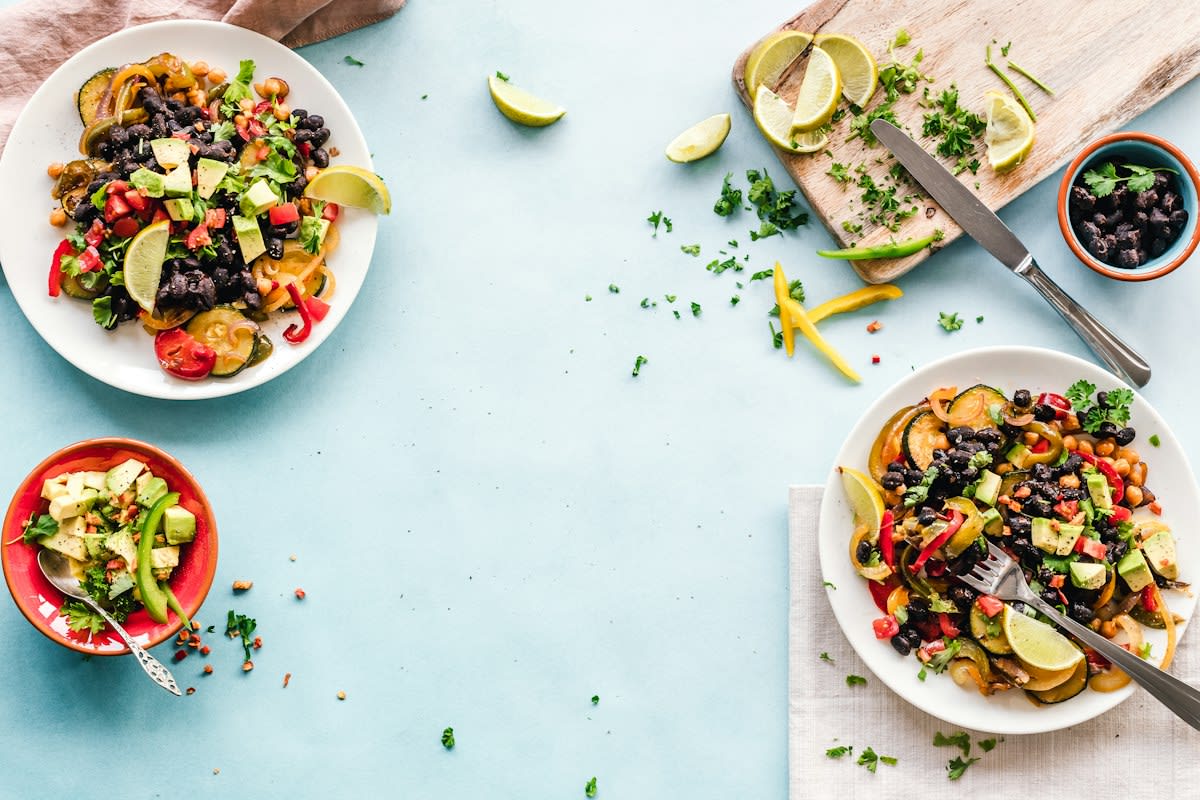
- Eat fiber first: Start every meal with a salad or steamed vegetables to prime the gut.
- Add proteins and fats: Consume your meat, eggs, or avocados second to further dampen the glucose response.
- Save starches for last: Eat your rice, pasta, or fruit at the end of the meal to minimize the spike.
- Move immediately: Take a 10-minute brisk walk to allow muscles to soak up glucose without requiring excess insulin.
- Delay caffeine: Wait 90 minutes after waking to avoid interfering with the natural cortisol awakening response.
Walking works wonders. Muscle contraction activates GLUT4 transporters, which pull glucose out of the blood and into the cells without needing a massive insulin surge. This prevents the reactive hypoglycemia that destroys your ability to think clearly. In Mexico, studies on maize-heavy diets show that integrating short bursts of activity can flatten the glucose curve significantly (Source: Mexican Journal of Nutrition, 2020). Move your body.
"Glucose spikes are not just a metabolic concern; they are a cognitive liability. When we stabilize the curve, we stop the cycle of brain fog and irritability that plagues the modern workforce."— Jessie Inchauspé, Biochemist and Author
Caffeine is deceptive. Many people use coffee to mask the crash, but this often creates a secondary spike in cortisol that disrupts blood sugar further. You are essentially borrowing energy from tomorrow to pay for today. This creates a web of dependency that makes natural focus impossible. Stop the cycle. Use caffeine as a tool, not a crutch.
The Practitioner's Friction: Clinical vs. Optimal
Industry standards fail. I remember a heated debate in a clinical setting between a traditional nutritionist and a performance coach regarding the use of CGMs in healthy adults. The nutritionist argued that internal homeostasis handles glucose perfectly well for 99% of people, while the coach pointed to the tangible cognitive drop-off seen in high-stakes traders after a carb-heavy lunch. This friction highlights a gap in our understanding: the difference between being clinically healthy and being cognitively optimal. We are settling for the default.
Doctors look for disease. They check if your HbA1c is below 5.7% to ensure you do not have diabetes (Source: American Diabetes Association, 2023). However, a person can be 'non-diabetic' while still experiencing wild glucose swings that destroy their productivity. The medical community often ignores these fluctuations because they do not lead to immediate organ failure. Focus is not an organ.

Common Pitfalls in Glucose Management
Avoid the traps. Many people switch to fruit-only breakfasts, thinking they are making a healthy choice. This is a mistake. Fructose and glucose in fruit still trigger a response, especially when eaten on an empty stomach. You start your day with a spike. Then you crash by 11 AM.
Liquid calories kill. Smoothies and juices remove the fiber that normally slows sugar absorption, sending glucose straight into the bloodstream. This is a direct path to cognitive failure. The brain is flooded, then starved. Choose whole foods over blended ones.
| Food Type | Glucose Impact | Focus Duration | Recommended Sequence |
|---|---|---|---|
| White Rice/Pasta | High Spike | Short (1-2 hrs) | Last |
| Avocado/Nuts | Low/Stable | Long (4-6 hrs) | Middle |
| Leafy Greens | Negligible | Stable | First |
| Fruit Juice | Extreme Spike | Very Short (<1 hr) | Avoid |
Do not over-restrict. Some practitioners swing too far toward zero-carb diets, which can lead to brain fog of a different kind. The brain needs glucose, just not in erratic bursts. Balance is the goal. Find the terrain that works for your specific biology.
Fact-Check & Accuracy Note
The debate between Glycemic Index (GI) and Glycemic Load (GL) is central to this topic. While GI measures how quickly a carb raises blood glucose, GL accounts for the portion size. Academic debate continues on which is a better predictor of cognitive performance, but the consensus remains that reducing overall variability is key (Source: American Journal of Clinical Nutrition, 2019).
Adapt your environment. If you work in an office with constant snacks, the weight of social pressure can derail your protocol. Remove the temptations. Create a space where your metabolic health is the default. Your work will reflect this stability.