Foreign students, journalists get relief as US judge strikes down Trump administration visa policy
Source Entity
Latest News: Todays Latest News Headlines from India & World | Hindustan Times
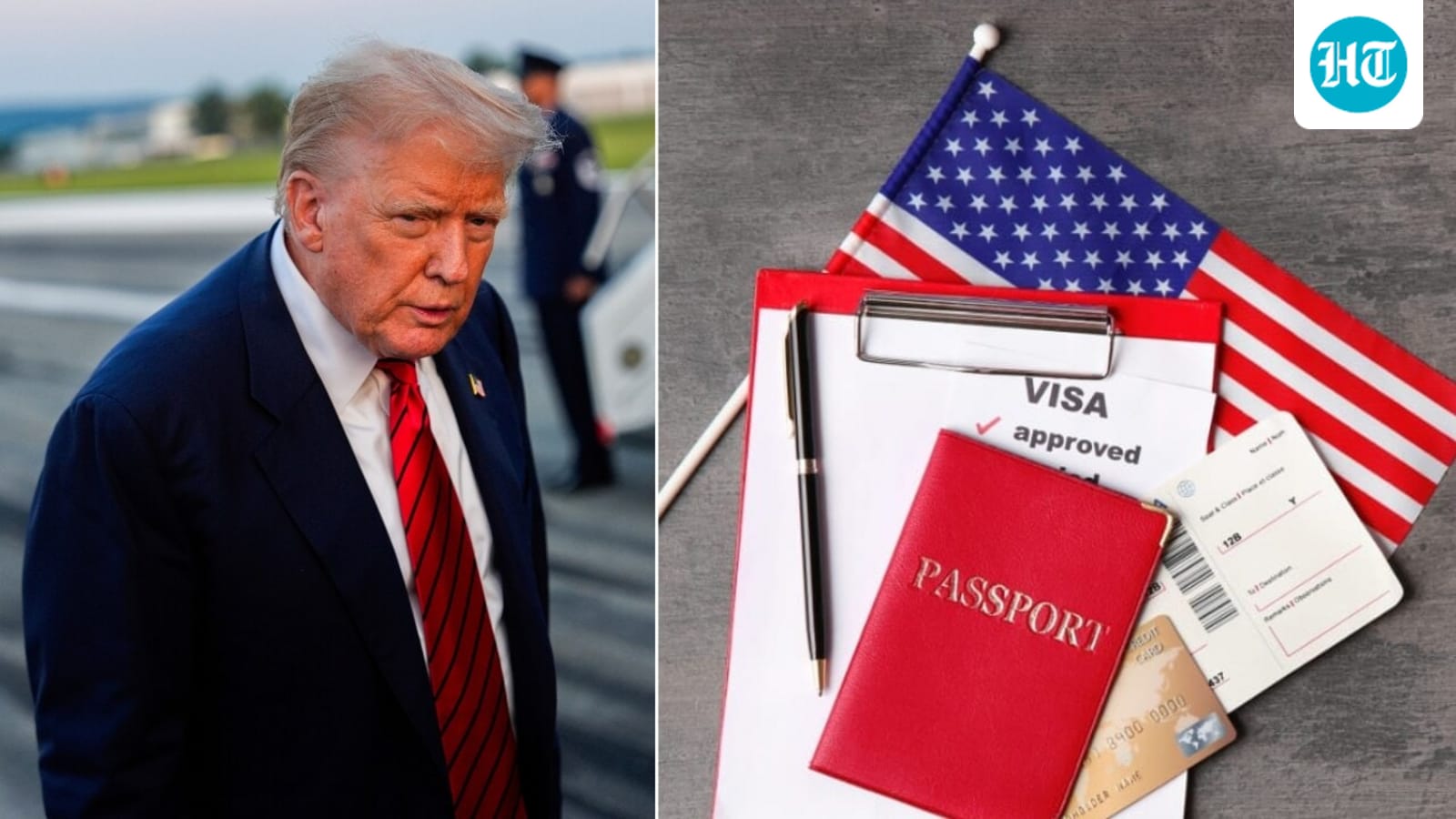
A U.S. federal judge has overturned a Trump administration policy that sought to impose restrictive fixed-stay limits on foreign students and journalists. The court ruled the policy was arbitrary and lacked legal justification, protecting academic mobility and international media presence.
Judicial Intervention in U.S. Visa Policy
In a significant legal development, a U.S. federal judge has formally struck down a Trump administration policy that aimed to impose restrictive, fixed-term stay limits on foreign students and journalists. The proposed regulations, which were slated for implementation in September, faced immediate scrutiny and were initially subject to a temporary injunction by District Judge Dennis Saylor. The ruling marks a major victory for international education and media advocacy groups who argued that the changes would have severely hindered academic and professional exchange.
The Legal Basis for Rejection
Judge Dennis Saylor’s decision was rooted in a harsh critique of the administration’s regulatory process. He characterized the policy as "arbitrary, capricious, and an abuse of discretion," noting that it was not in accordance with existing law. Central to the court’s finding was the conclusion that the Department of Homeland Security failed to provide adequate justification for such a drastic departure from established norms. The court specifically highlighted that the current immigration framework was already sufficient to manage concerns regarding fraud or security without the need for additional, blanket restrictions.
Impact on Academic Mobility
The ruling specifically addressed the negative externalities the policy would have imposed on international students. By creating uncertainty regarding the length of their stay, the proposed rules threatened to disrupt educational programs and research projects that rely on long-term stability. The court emphasized that these restrictions would have acted as a barrier to academic mobility, potentially discouraging global talent from seeking education in the United States and damaging the competitiveness of American universities that benefit from international student enrollment.
The Role of Advocacy Coalitions
This victory was the direct result of a legal challenge brought forward by a broad coalition of stakeholders. Educational institutions, teachers' unions, and professional organizations representing journalists united to file the lawsuit. By pooling resources and legal expertise, these groups successfully demonstrated that the government’s attempt to impose fixed stay periods lacked the necessary administrative rigor, essentially proving that the policy was implemented without sufficient consideration for the professional and educational consequences.
Broader Implications and Future Trends
This decision underscores a broader, ongoing tension between executive authority and administrative transparency in U.S. immigration policy. While the Trump administration attempted to appeal the temporary blocking of these rules, the final invalidation by the district court signals a strong judicial check on attempts to unilaterally alter visa statuses through executive action. Looking forward, this case sets a precedent that significant changes to visa duration and international status must be grounded in empirical evidence and a clear, non-arbitrary legal rationale, rather than executive preference alone.
Verification Required?