Unable to take care of mother, 67-year-old man strangles her to death in Kolkata, calls cops
Source Entity
DWAIPAYAN GHOSH
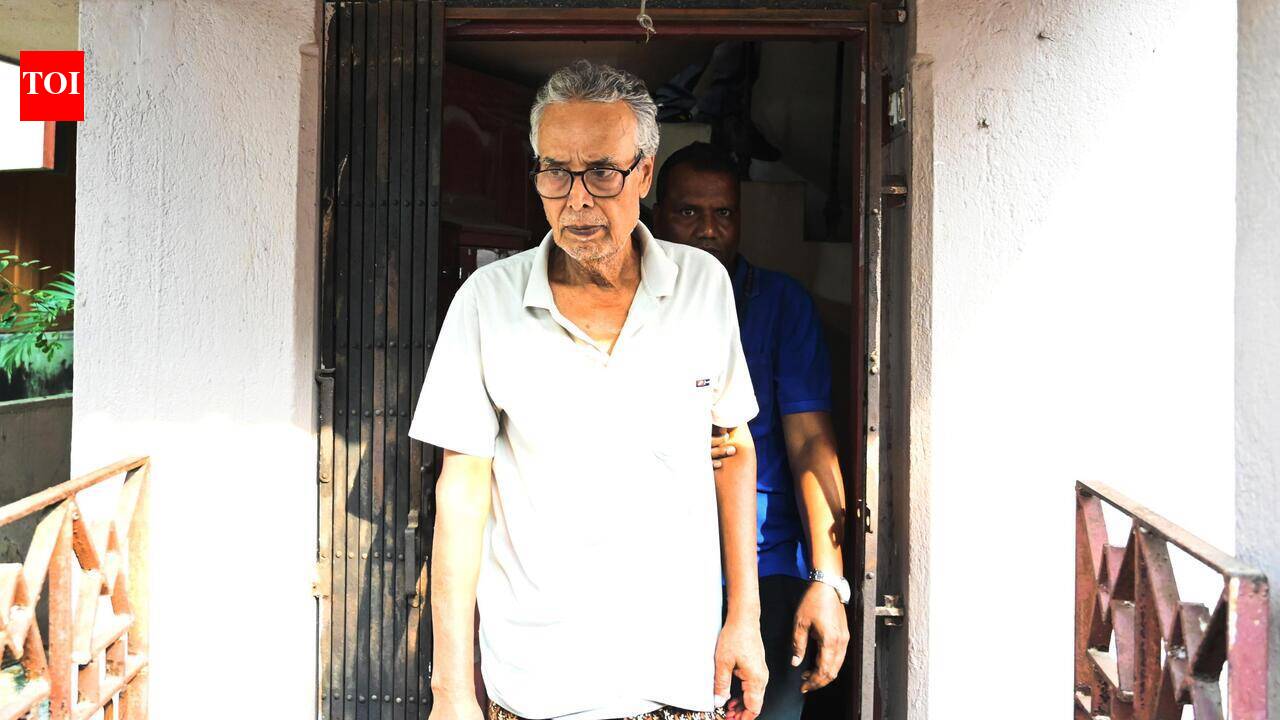
A 67-year-old jobless engineer in Kolkata allegedly strangled his 85-year-old mother, citing his inability to care for her amid financial hardship. He confessed the crime to police immediately after the incident.
Tragedy in Haridevpur: Financial Distress and Caregiver Burnout
A harrowing incident has emerged from Haridevpur, Kolkata, where a 67-year-old man, identified as Sagar Ghosh, allegedly took the life of his 85-year-old mother. The incident, which occurred on a Monday morning, serves as a stark reminder of the intersection between economic instability and the growing crisis of geriatric care in urban India. Ghosh, an engineer who reportedly lost his primary source of income during the Covid-19 pandemic, confessed to the act by calling the police emergency helpline immediately after the incident.
The Impact of Economic Displacement
Sagar Ghosh’s admission that he had been "out of any meaningful work" since the pandemic highlights the lingering, long-term socio-economic scars left by the global health crisis. For many middle-aged and elderly professionals, the loss of employment during and after 2020 was not merely a financial setback but a fundamental disruption to their social standing and stability. In this case, the inability to sustain a livelihood appears to have exacerbated the challenges of managing the full-time care required by an octogenarian parent.
The Burden of Caregiving
Caregiving for an ailing parent is an emotionally and physically taxing responsibility, often requiring significant financial resources and support structures. Ghosh, at 67, was himself an elderly individual, making the physical demands of caregiving for an 85-year-old mother particularly arduous. The combination of his advanced age and his lack of employment created a pressure cooker environment, where the daily necessities of life—medication, nutrition, and constant supervision—became insurmountable obstacles.
A Desperate Confession
Following the act, Ghosh’s actions were characterized by a grim sense of finality. By contacting the police directly and leaving a note for his sister, he demonstrated a clear acknowledgment of the legal and moral consequences of his actions. The note, which stated, "I have let mother go. I have freed her," suggests a distorted rationalization rooted in profound despair, where the perpetrator viewed the termination of life as a form of relief from the suffering caused by their shared circumstances.
Broader Societal Implications
This incident forces a difficult conversation regarding the safety nets available to the elderly and their primary caregivers in India. As the population ages, the traditional family-based caregiving model is increasingly strained by economic migration, the rising cost of healthcare, and the disintegration of extended family support systems. Without robust state-sponsored elder care and mental health support for struggling caregivers, incidents born from caregiver burnout and financial desperation may continue to surface.
Conclusion
The death of the 85-year-old woman in Haridevpur is a tragic culmination of personal, economic, and systemic failures. While the legal process will now determine the formal accountability of the accused, the broader context of this case reflects the urgent need for better social welfare frameworks. Addressing the vulnerabilities of both the elderly and those tasked with their care is essential to preventing such tragic outcomes in the future.