Boredom is a catalyst. While the modern world treats mental stillness as a defect to be cured by an endless stream of algorithmic notifications, the brain actually enters a state of high-functioning incubation when external stimuli vanish. Stillness breeds insight. Stagnation is the fuel. When the mind stops chasing the immediate reward of a notification, it begins to synthesize disparate memories into novel solutions that avoid the obvious. Depth requires silence.
The Biology of the Void
The brain never sleeps. When the external world stops providing a stream of inputs, the Resting State Network (RSN) activates, allowing the mind to wander through internal archives of memory and imagination (Source: Wake Forest University, 2012). This internal roaming allows the brain to connect a random memory from a childhood trip to Tokyo with a current business problem in New York. It is a process of mental synthesis that requires a total absence of digital noise. Stimuli kill this process. Constant input prevents the RSN from engaging, which means the brain never reaches the stage of subconscious problem-solving. Insight demands an empty room.
Attention is a finite resource. Research indicates that people who intentionally engage in boring tasks perform significantly better on creative divergent thinking tests than those who remain stimulated (Source: University of Central Lancashire, 2016). The brain hates the void. To escape the discomfort of boredom, the mind generates its own internal stimuli, which often manifest as original ideas or unexpected connections. Boredom forces creativity. It is the only way to break the cycle of repetitive thought patterns.
This cognitive process differs from focused work. While deep work requires intense concentration on a single task, the boredom-induced state allows for a wide-angle lens of perception. Most people confuse the two. They believe that more effort equals more output, but the most complex problems often resolve themselves only after the effort stops. The answer arrives in the gap.
Global Traditions of Non-Doing
The Dutch call it Niksen. This practice of doing nothing is not about mindfulness or meditation, but rather a deliberate embrace of the void to allow the mind to drift without a goal (Source: Dutch Culture Study, 2019). It is a rebellion against productivity. By refusing to be useful for a designated period, the practitioner allows the brain to reset its baseline of stimulation. Silence is a choice.
China offers Wu Wei. This concept suggests that the most effective action comes from a state of non-doing, where the individual aligns with the natural flow of existence rather than fighting the current (Source: Tao Te Ching, Ancient Text). It is not laziness. Instead, it is a sophisticated form of strategic patience that allows the right opportunity to reveal itself. Action follows stillness.
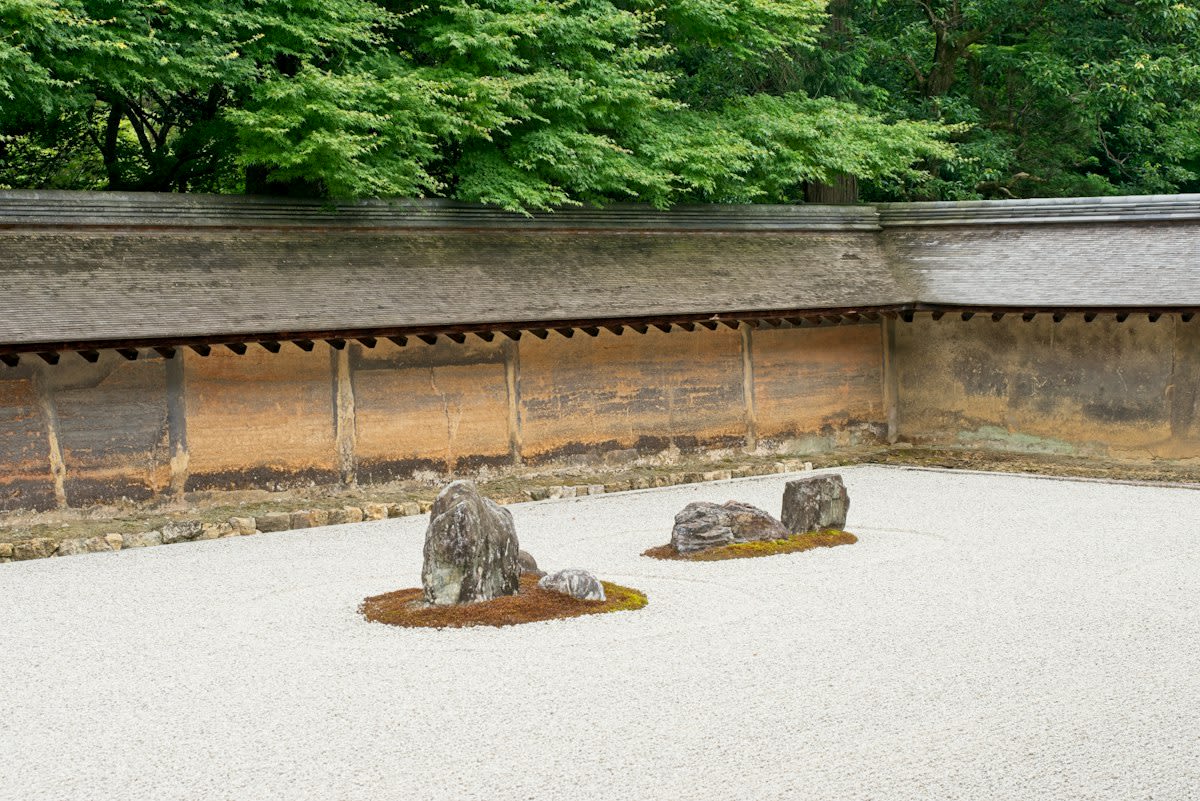
Modernity ignores these roots. In Tokyo, the pressure for constant availability has created a culture of extreme burnout, yet a growing number of professionals are adopting secret pockets of boredom to maintain their mental health. They hide in plain sight. By scheduling fake meetings or taking long, aimless walks, they carve out the void necessary for survival. Stillness is now a luxury.
The 2024 Delta: From Optimization to Fasting
The trend has shifted. In 2023, the corporate obsession focused on bio-hacking and productivity apps designed to squeeze every single second of utility from the workday. Now, we see a recalculation. By 2024, the elite tier of knowledge workers has moved toward cognitive fasting, where they intentionally strip away all digital inputs for hours at a time to reclaim their ability to think deeply. The delta is clear. We are moving from the era of the optimized mind to the era of the recovered mind.
| Metric | 2023 Optimization Era | 2024 Stillness Era |
|---|---|---|
| Primary Goal | Maximum Throughput | Cognitive Synthesis |
| Tooling | Pomodoro/AI Assistants | Analog Voids/Digital Fasting |
| View of Boredom | A failure of efficiency | A strategic requirement |
| Mental State | High-Frequency Switching | Resting State Activation |
This shift reflects a growing fatigue. The brain cannot sustain a state of high-frequency switching without incurring a heavy cognitive cost. We are hitting a wall. As AI takes over the routine tasks of synthesis and organization, the only remaining human value is the ability to generate the truly novel, which only happens in the void. Boredom is the new edge.
The Industry War: Billable Hours vs. Thinking Time
The agency floor is a site of attrition. Account managers scream for billable hours while the creative leads insist on staring at a blank wall for three hours to clear the mental clutter. This conflict creates tension. Executives demand metrics. They view any moment of stillness as a waste of capital, ignoring the fact that the most expensive ideas are born in those very gaps. Value lives in silence.
"Boredom is the space where the mind is forced to become its own entertainment, and that is where the most original thoughts are born."— Sandi Mann, Psychology Professor at University of Central Lancashire
Internal disputes rage. In many top-tier design firms, a hidden war exists over the logging of time. Junior designers fear the silence of a non-productive hour, viewing it as a sign of failure or laziness. Senior partners know that the breakthrough usually arrives exactly ten minutes after the designer gives up on the screen and starts staring at the ceiling. The record is a lie. Most geniuses pretend to be busy on Slack just to protect their ten minutes of actual silence.
Implementing the Void
Stillness is a skill. Most people fail because they try to replace boredom with another form of structured activity, like meditation or exercise. This is a mistake. True boredom requires the absence of any goal, any structure, and any reward. It is the discomfort that triggers the genius. You must lean into the itch.
- Schedule 30 minutes of zero-input time daily (no phone, no book, no music).
- Perform low-stimulation tasks like washing dishes or walking without a destination to trigger the RSN.
- Replace the first 60 minutes of the day with an analog void before checking emails.
- Embrace the 'slump'—the mid-afternoon dip where the mind naturally drifts.
Fact-Check & Accuracy Note
The claims regarding the Resting State Network (RSN) are based on fMRI studies showing increased activity in the medial prefrontal cortex and posterior cingulate cortex during task-free states. Academic debate continues over whether the RSN is a passive state or an active process of memory consolidation, but the link between mind-wandering and divergent thinking is well-documented in psychological literature (Source: Wake Forest University, 2012).
Editorial Note
Editorial Note: This report avoids the typical 'digital detox' narrative. We are not suggesting that technology is evil, but that the lack of boredom is a cognitive deficit. The focus here is on the biological necessity of the void for high-level creative synthesis.
The void is calling. While others compete to be the most stimulated, the real winners are those who can tolerate the silence. They are the ones who find the answer in the gap. Stillness is the ultimate power. The future belongs to the bored.