Nvidia's South Asia freeze: China isn't on the list, but it's the target - explained
Source Entity
AYUSH PANDEY
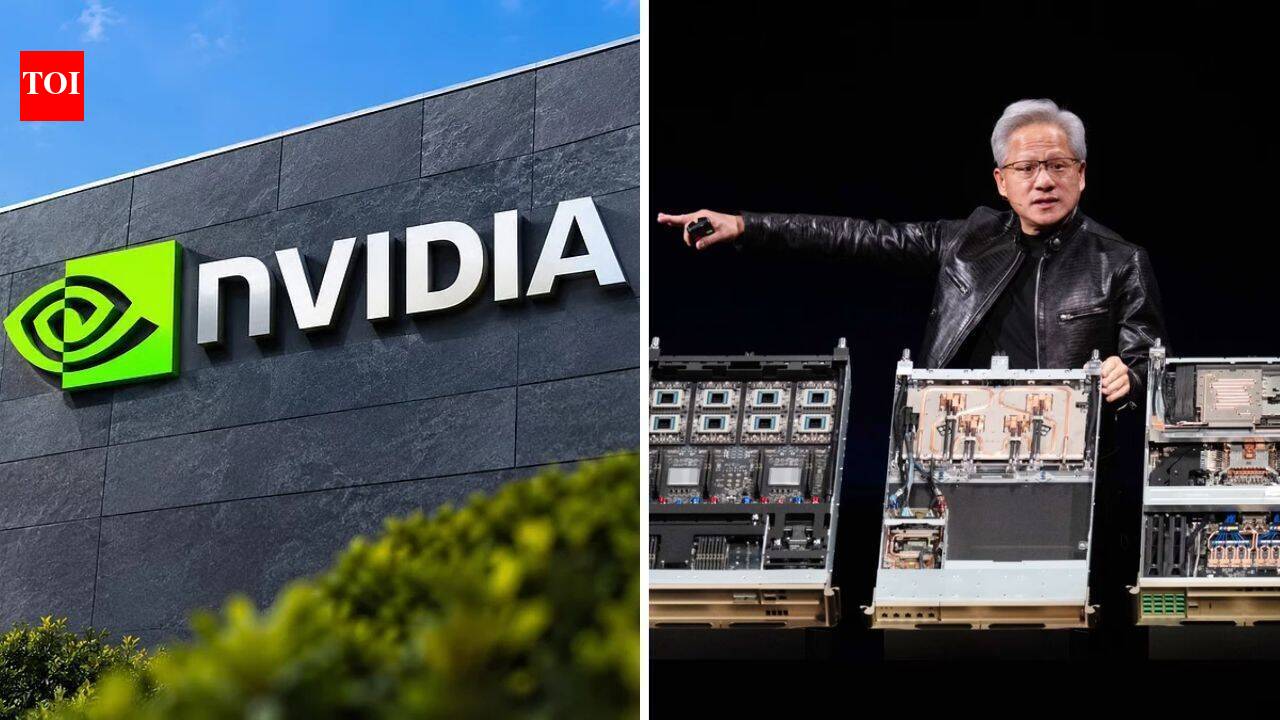
Reports reveal US-based firms with Chinese ownership are distributing advanced Nvidia AI chips, raising concerns over export control circumvention. Meanwhile, Singapore is assessing the impact of potential Nvidia shipment halts to Southeast Asia amid tightened US restrictions.
The Labyrinth of Global Chip Supply Chains
Recent investigations have exposed a complex web of logistical and corporate structures that appear to undermine United States export controls on advanced artificial intelligence hardware. Reports indicate that Nvidia, the global leader in AI computing, has been selling its most cutting-edge chips to US-based companies that are ultimately controlled by Chinese interests. The implications of this are profound, as these entities reportedly serve as intermediaries, leasing or selling sensitive hardware to third parties in Southeast Asia and potentially facilitating their transfer into China, thereby bypassing the regulatory intent of US authorities.
Corporate Obfuscation and Regulatory Evasion
The methods identified in these reports suggest a sophisticated approach to circumventing trade restrictions. One notable example involves a California-based "preferred partner" of Nvidia, led by an executive with ties to a Chinese military university. Another case highlights a company that underwent a rebranding process immediately following its parent organization's placement on a US blacklist. These maneuvers illustrate the difficulty regulators face in identifying the true beneficiaries of high-end technology exports, as "labyrinthine chains of custody" effectively mask the ultimate destination of sensitive computing power.
Financial Ties and Strategic Infrastructure
Beyond simple distribution, the connection between these hardware flows and large-scale AI projects is becoming increasingly clear. Evidence suggests that businesses associated with Alice Huang and her associates have successfully raised $301 million in financing backed by hundreds of AI servers and computing modules. A significant portion of this hardware has been traced to a major data center in Shanghai, a facility central to a strategic partnership between Tencent and the Shanghai government. This demonstrates that the hardware in question is not merely circulating in the secondary market but is being integrated into China's critical AI infrastructure.
Regional Impact and Diplomatic Fallout
The ripple effects of these revelations are being felt across Southeast Asia. In response to mounting scrutiny, Nvidia has reportedly instructed its manufacturing partners to halt server shipments to countries including Singapore, Malaysia, and Thailand. This sudden disruption has prompted the Singaporean government to initiate formal engagements with local businesses to assess the economic impact. Deputy Prime Minister Gan Kim Yong has emphasized that the government is actively monitoring the situation, as the uncertainty surrounding these export controls threatens to disrupt the regional tech ecosystem.
Future Trends and Geopolitical Outlook
Looking forward, the tech industry faces a period of heightened volatility as the US government likely moves to tighten the loopholes that have allowed this hardware leakage. We can expect more rigorous vetting of "preferred partners" and a potential expansion of the Entity List to include more shell companies and intermediaries. For companies like Nvidia, the challenge lies in balancing commercial growth with the increasingly stringent national security mandates imposed by Washington. The broader trend indicates a move toward a bifurcated global technology landscape, where the flow of high-end silicon is strictly governed by geopolitical alignment rather than traditional market demand.
Multiple Citing Sources