US Clears SpaceX To Launch 1 Million Satellites For Data Centers In Space
Source Entity
NDTV News Search Records Found 1000
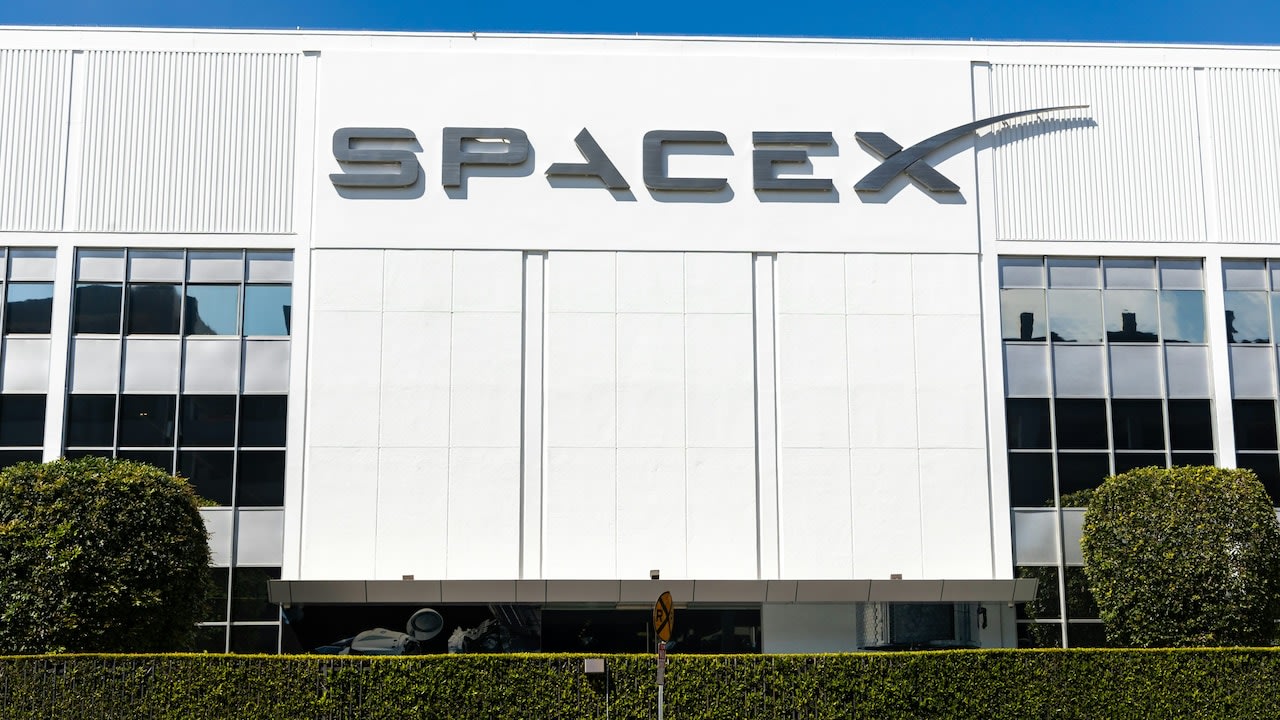
The FCC has authorized SpaceX to deploy a constellation of 1 million AI-equipped 'Starmind' satellites to serve as orbital data centers. This massive project, which faces opposition from competitors and scientific groups, aims to solidify American leadership in AI infrastructure by 2040.
The Dawn of Orbital Computing: SpaceX’s Starmind Initiative
In a landmark regulatory decision, the Federal Communications Commission (FCC) has granted SpaceX conditional authorization to deploy a massive constellation of up to 1 million satellites under the "Starmind" initiative. Unlike traditional communication satellites, these units are designed as orbital data centers equipped with advanced AI chips. This authorization marks the first time the agency has approved such a large-scale deployment of AI-integrated hardware in low Earth orbit, setting a new precedent for space-based infrastructure.
Scaling the Space Frontier
If SpaceX meets the ambitious milestones set by the FCC—which include deploying at least one satellite by 2033 and reaching the 1 million unit goal by 2040—the number of satellites in orbit will increase by approximately 50-fold. This represents an unprecedented expansion of human-made objects in space. FCC Chairman Brendan Carr has framed this move as a strategic imperative, emphasizing that the constellation will utilize solar power to drive investment and secure America’s dominance in the global AI race.
Competitive and Environmental Concerns
The road to approval was far from smooth, as the proposal faced significant pushback during the public comment period. Major industry players, including Amazon’s Kuiper Systems and Viasat, filed petitions to deny the application, citing concerns over orbital congestion and competition. Furthermore, the American Astronomical Society (AAS) has voiced opposition, likely stemming from concerns regarding light pollution and interference with ground-based astronomical observations, which have become increasingly complicated by the proliferation of satellite constellations.
The Shift to Orbital Data Centers
The concept of "orbital data centers" shifts the paradigm of computing from terrestrial server farms to space-based assets. By placing AI-chip-equipped satellites in orbit, SpaceX aims to create a distributed computing fabric that could theoretically provide lower latency and higher processing power for specialized global applications. This represents a significant pivot from the traditional satellite internet model, moving toward a future where the vacuum of space becomes an extension of the data-processing backbone of the modern economy.
Broader Strategic Implications
This initiative is part of a larger, global trend where corporations and nations compete to dominate the "AI frontier." The FCC’s approval highlights the U.S. government's intent to expedite the integration of space-based assets into its national technological strategy. As Google and Blue Origin also explore similar orbital data center concepts, the Starmind project serves as the vanguard for a new era of space industrialization, where the primary export from orbit is not just data transmission, but active computation.
Conclusion and Future Outlook
While the FCC’s decision is a major victory for Elon Musk’s SpaceX, the path to 2040 remains fraught with technical and regulatory hurdles. The agency has deferred certain aspects of the request, and the project will undoubtedly face ongoing scrutiny regarding space debris management and the ecological impact on the night sky. As this constellation begins to take shape, it will fundamentally alter the orbital environment and redefine the role of private enterprise in the extraterrestrial digital ecosystem.
Multiple Citing Sources
Verification Required?