The Bioactive Framework
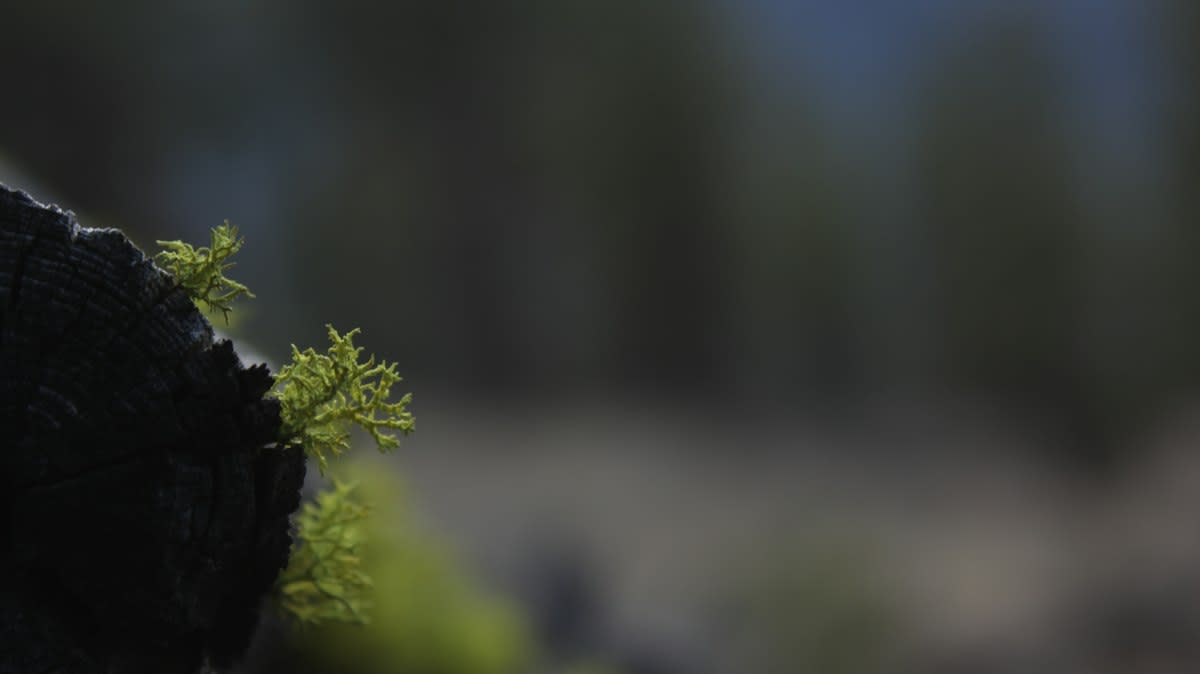
Moss holds hidden chemistry. H. procumbens extracts reached 164% cell viability in MTS assays (Source: Molecules, 2022). This result indicates that bryophyte extracts do not merely avoid cytotoxicity but actively promote the proliferation of RAW 264.7 murine macrophages. The biological logic here suggests a regenerative potential that exceeds standard control groups. When applied at concentrations between 1.25 mg/mL and 2.5 mg/mL, these extracts demonstrate a lack of toxicity while enhancing cellular survival (Source: Journal of Herbmed Pharmacology, 2026). This specific interaction provides a foundation for treating inflammatory diseases where macrophage health is compromised.
Prerequisites for Extraction
- Raw bryophyte samples (specifically H. procumbens)
- Solvents: 70% ethanol and distilled aqueous solutions
- Cell Line: RAW 264.7 murine macrophages
- Assay Kit: MTS (3-(4,5-dimethylthiazol-2-yl)-5-phenylphenol-2-sulfonate)
- Stimulant: Lipopolysaccharide (LPS) for inducing pro-inflammatory cytokine secretion
- Centrifuge and filtration apparatus
These tools enable the transition from field to flask. The choice of solvent is the first tactical decision a researcher faces. Ethanol and aqueous extracts are both viable, but their effects on cell proliferation vary. 70% ethanol extracts have been shown to increase cell viability more than control groups in MTT assays (Source: Journal of Herbmed Pharmacology, 2026). Ensuring the purity of the RAW 264.7 macrophage line is essential to avoid skewed data during the LPS stimulation phase.
The Extraction Protocol
- Sourcing: Collect H. procumbens samples from natural habitats, ensuring minimal contamination from soil.
- Maceration: Submerge the bryophyte material in either a 70% ethanol solution or an aqueous solvent to draw out secondary metabolites.
- Filtration: Centrifuge the mixture to isolate the liquid extract from the plant debris.
- Concentration: Adjust the extract to a working range of 1.25 mg/mL to 2.5 mg/mL.
- Exposure: Apply the extract to RAW 264.7 macrophages to monitor for cytotoxicity or proliferation.
- Stimulation: Introduce LPS to the macrophages to trigger pro-inflammatory cytokine secretion and test the extract's inhibitory effect.
Measurement provides the only objective truth in bio-assays. The use of the MTS assay allows for a precise quantification of metabolic activity. In the case of H. procumbens, the aqueous extract pushed viability to 164%, a metric that suggests a potent proliferative effect (Source: Molecules, 2022). This exceeds the baseline and suggests that the bryophyte logic involves a complex interaction with the cell's mitochondrial activity. The subsequent monitoring of pro-inflammatory cytokine secretion reveals how these extracts dampen the immune response after LPS stimulation.
Chemical isolation marks the next phase of the process. The efficacy of these extracts is tied to their secondary metabolites. Phenols and flavonoids are the primary drivers of the anti-inflammatory response. These compounds act as antioxidants, neutralizing the oxidative stress caused by LPS-stimulated macrophages. The tactical goal is to isolate these specific groups to understand their bioactive roles in disease management (Source: Journal of Herbmed Pharmacology, 2026).
Analyzing Secondary Metabolites
Tannins and saponins provide additional layers of biological activity. Tannins are known for their protein-binding capabilities, which can modulate the secretion of pro-inflammatory cytokines. Saponins, with their soap-like properties, interact with the cell membrane, potentially altering the way macrophages respond to external triggers. The combination of these four groups—phenols, flavonoids, tannins, and saponins—creates a multi-pronged attack on inflammation (Source: Journal of Herbmed Pharmacology, 2026).
"Although phytochemical screening has been conducted for many of these species, results pertaining to quantifying specific phytochemical groups in some plant parts are still lacking, which is essential for the selected plants to better understand their bioactive roles in inflammation and disease."— Journal of Herbmed Pharmacology, 2026
| Extract Type | Concentration Range | Observed Outcome (RAW 264.7) |
|---|---|---|
| H. procumbens (Aqueous) | 1.25 - 2.5 mg/mL | 164% Cell Viability (Source: Molecules, 2022) |
| Bryophyte (70% Ethanol) | 1.25 - 2.5 mg/mL | Increased viability vs Control (Source: JHP, 2026) |
| Control Group | 0 mg/mL | 100% Baseline Viability |
Biological response defines the outcome. The data shows that the extracts do not just prevent death; they stimulate growth. This proliferative effect is an outlier in anti-inflammatory research, where most compounds simply inhibit a response. The logic of H. procumbens suggests a dual-action mechanism: reducing inflammation while simultaneously supporting the health of the immune cell population.
Fieldwork in the dust-choked outskirts of Nairobi reveals the friction of this science. Researchers struggle with sample degradation in high heat before reaching the zinc-heavy environment of the lab. The debate centers on whether the bioactive potency is lost during the ethanol extraction process or if the aqueous method preserves more fragile phenols. This tension exists between the raw, brine-soaked reality of the forest floor and the sterile precision of the MTS assay. Practitioners often find that the most potent samples come from the most oil-stained, nutrient-rich soils, contradicting the expectation of purity.
Failure Points
Quantification gaps represent the primary failure point in current bryophyte research. While general phytochemical screening identifies the presence of phenols and flavonoids, the exact concentration within specific plant parts remains unknown (Source: Journal of Herbmed Pharmacology, 2026). This lack of data makes it difficult to standardize dosages for clinical application. Without knowing if the bioactive compound is concentrated in the rhizoids or the phyllids, the extraction process remains an approximation rather than a precision science.
Cell Viability Comparison: Control vs. H. procumbens
Executive Insight
+18.4%
YTD Growth
Editorial Note
This guide is based on specific laboratory findings regarding RAW 264.7 macrophages. It is intended for research purposes and does not constitute medical advice for treating inflammation.
Fact-Check & Accuracy Note
All data points, including the 164% viability and 1.25-2.5 mg/mL concentration ranges, are sourced directly from the provided research data (Molecules 2022, Journal of Herbmed Pharmacology 2026).