Outcry in Trinidad and Tobago after passing of police bill that could threaten press freedom
Source Entity
Natricia Duncan Caribbean correspondent
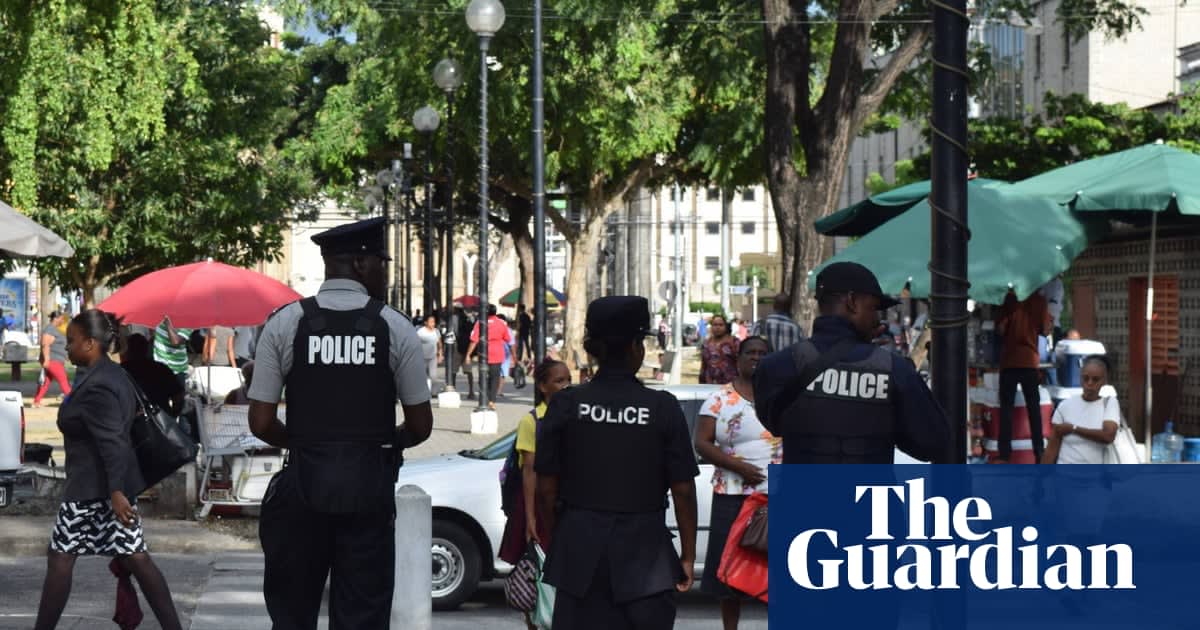
Journalists in Trinidad and Tobago are protesting the newly passed Special Operations Bill 2026, fearing it grants police excessive powers to seize equipment. The government claims the legislation is a necessary response to rising crime rates in the country.
The Press Freedom Crisis in Trinidad and Tobago
The passage of the Special Operations Bill 2026 on September 24 has ignited a fierce debate in Trinidad and Tobago, pitting the government's mandate to ensure public safety against the fundamental tenets of a free press. As the Caribbean nation grapples with persistent and elevated levels of violence and homicide, the administration has sought to consolidate law enforcement authority. However, the media community argues that the current iteration of the bill creates a dangerous precedent, potentially authorizing the state to bypass constitutional safeguards that protect journalists from arbitrary search and seizure.
The Security-Liberty Paradox
Trinidad and Tobago has existed in a near-constant state of emergency for over a year. This prolonged period of heightened security has already normalized the suspension of standard constitutional rights regarding arrest and detention. The Special Operations Bill 2026 represents a formalization of these extraordinary powers, intended to streamline police operations against criminal elements. While the state characterizes these measures as essential tools for national security, critics suggest that the lack of nuanced oversight risks transforming temporary emergency measures into permanent state overreach.
The Threat to Investigative Journalism
At the heart of the outcry is the vulnerability of journalists' tools of the trade: notebooks, smartphones, and laptops. These devices often contain the identities of confidential sources and sensitive research materials that form the backbone of investigative reporting. Without explicit exemptions written into the legislation, journalists fear that police could use the broad search and seizure provisions to uncover protected sources. Such an outcome would not only stifle the ability of the media to report on government activities but could also lead to a chilling effect, where citizens are afraid to share information with reporters.
Historical Context and Precedent
This legislative move follows a history of tension between state security apparatuses and the media in the region. Past incidents where journalists have faced pressure to disclose information have sensitized the press corps to the dangers of broad, vaguely worded laws. The demand for specific, written exemptions is an attempt to codify protections that have, until now, been largely based on constitutional assumptions rather than explicit statute. The media's call for an urgent amendment reflects a lack of trust in the discretionary power granted to law enforcement under the new bill.
Broader Implications for Democracy
If left unamended, the Special Operations Bill 2026 could fundamentally alter the relationship between the government and the fourth estate in Trinidad and Tobago. A free press is essential for checking the power of the state, especially during periods where civil liberties are restricted due to national security concerns. If journalists can no longer guarantee the anonymity of their sources or the security of their data, the quality and depth of public interest journalism will inevitably decline. This erosion of transparency poses a long-term risk to democratic accountability in the nation.
Conclusion and Future Outlook
As the government faces growing pressure, the future of the bill remains uncertain. The path forward likely requires a delicate compromise: the state must maintain its ability to combat crime, but it must also respect the constitutional role of the press. Unless the government introduces amendments to provide specific carve-outs for media equipment, the confrontation between the state and the media is likely to escalate, potentially leading to legal challenges that could reach the highest courts in the country.