Copper wires are humming. 5.5% was the spike for the VanEck Uranium and Nuclear ETF on Tuesday (Source: Business Insider, 2026). AI needs massive power. This hunger creates a bottleneck. Data centers cannot grow without electricity. The market is now pricing in a reality where the grid is an obstacle rather than a utility.
The Nuclear Surge of 2026
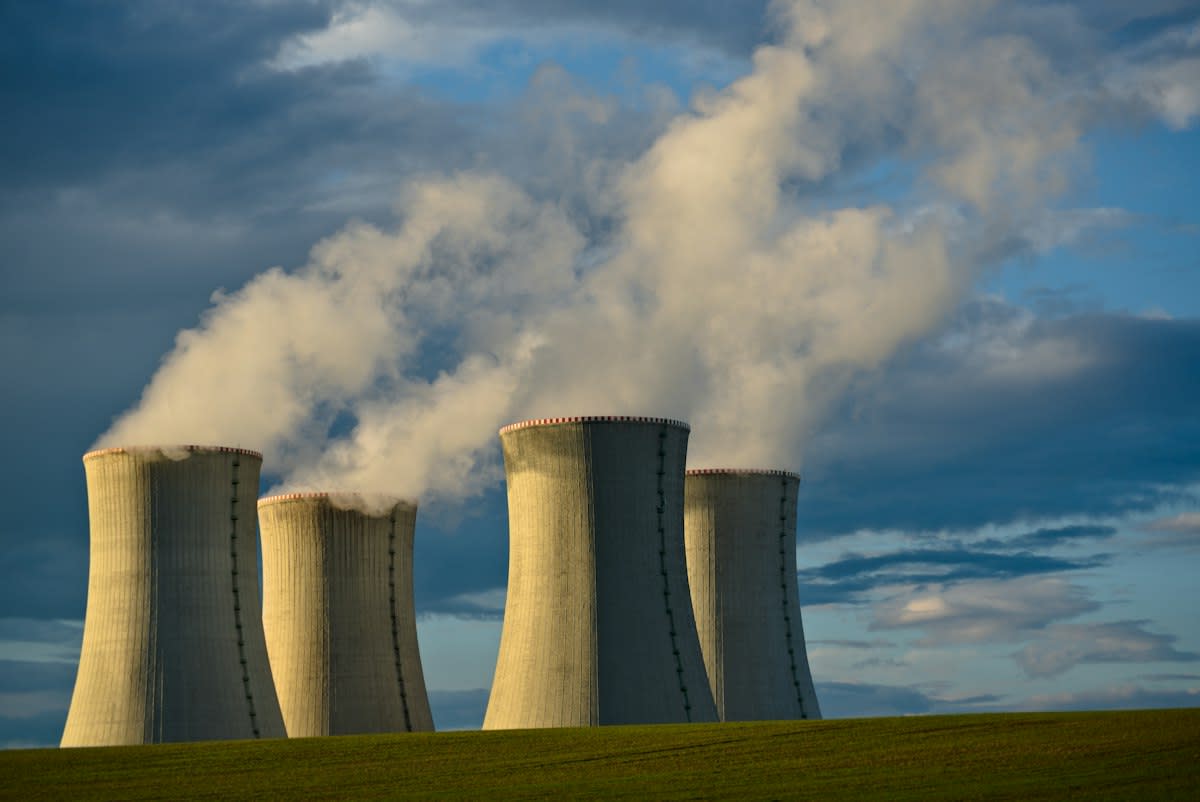
Google signed a 20-year deal with Constellation Energy (Source: Business Insider, 2026). This move secures nuclear power for AI centers to bypass grid constraints. Microsoft took a similar path in 2024 by securing power from the Three Mile Island facility in Pennsylvania (Source: Business Insider, 2026). Meta followed in 2025 with its own nuclear energy deal (Source: Business Insider, 2026). These companies are no longer waiting for the public grid to modernize. They are buying the source.
Lagos and Mumbai face similar pressures. Power grids in these hubs are often oil-stained and dust-choked. They cannot support the sudden load of AI clusters. The delta between 2025 and 2026 is a move toward dedicated, non-grid energy. Companies no longer trust the public utility to provide the steady voltage required for H100 clusters. The trend is a total divorce from shared infrastructure.
"There’s a tremendous amount of capacity in the grid that we’re simply not using."— Charles Murray, CEO of Switched Source
The Infrastructure Crunch
Electricity is the new gold. A dearth of data centers is now the most immediate constraint on AI growth (Source: WSJ, 2026). While memory chip shortages dominated the conversation in previous years, the wall is now the power socket. This crunch happens as AI models scale in size and complexity. Without a way to feed these machines, the software progress hits a hard physical ceiling.
| Metric | 2025 Focus | 2026 Focus |
|---|---|---|
| Primary Constraint | Memory Chip Supply | Electricity/Data Center Availability |
| Energy Strategy | Grid Reliance | Direct Nuclear Deals |
| Regulatory Pace | Standard Interconnection | Fast-Tracked Load Studies |
Engineering is lagging behind the capital. 59% of energy companies identify new-technology adoption as a leading cost-of-risk driver (Source: FM Report, 2026). The buildout is too fast for the safety protocols. Systems used to design, operate, and insure energy infrastructure are struggling to keep pace. This creates a zinc-heavy mess of rushed installations and overlooked vulnerabilities.
On the ground, the friction is brutal. Field engineers in Jakarta argue over load-balancing in brine-soaked environments. They fight with contractors over outdated blueprints that do not account for AI heat loads. The debate is not about AI ethics or model weights. It is about whether a transformer will explode under a 200 MW load. It is a war of cables, heat sinks, and failing breakers.
Regulatory Fast-Tracks
MISO is moving fast to solve gridlock. They proposed a 120-day study process specifically for loads larger than 200 MW and new generation located in the same local resource zone (Source: Utility Dive, 2026). This acceleration follows a mid-June finding by FERC that current rules for large loads were inadequate. The goal is to facilitate the merging of proximate loads and generation onto the grid without years of delay.
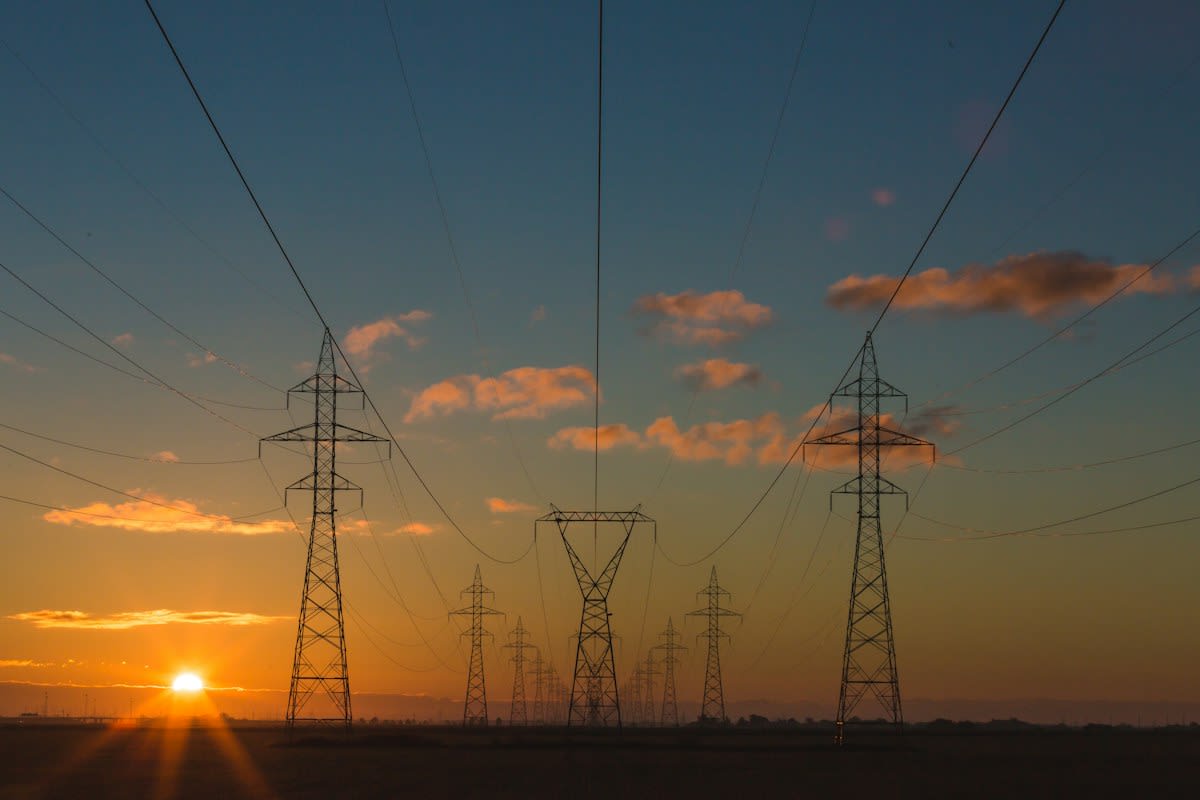
Time is the enemy in this buildout. The commercial operation date for the generating facility and the in-service date for the load must be within three years from the application date (Source: Utility Dive, 2026). This creates a frantic pace for developers. It pushes companies toward proximate generation, where the power plant is built literally next to the server farm. This avoids the long wait for transmission lines.
Failure Points
- Infrastructure bottlenecks crimping AI buildout (Source: Business Insider, 2026).
- Risk drivers from rapid new-technology adoption causing cost spikes (Source: FM Report, 2026).
- Inadequate regulatory rules for merging large loads onto the grid (Source: Utility Dive, 2026).
- Lack of operational agility in traditional utility physical infrastructure (Source: Renewable Energy World, 2026).
Dynamic distribution is the final attempt to save the grid. Charles Murray suggests using existing grid capacity that currently sits idle (Source: Renewable Energy World, 2026). This requires AI-driven automation and predictive software tools to manage power-flow. It moves away from the old method of simply building more wires. If this fails, the only option is total energy autonomy for the tech sector.
Market Alert
Nuclear energy stocks, including Oklo and NuScale Power, have surged alongside Constellation due to the scramble for AI power supplies (Source: Business Insider, 2026).
Verification
Fact-Check & Accuracy Note: All data regarding MISO load studies, FM risk reports, and Constellation Energy deals are derived from reported events in 2024-2026. Market percentages reflect specific trading days cited in Business Insider.