On Camera, Kilometres-Long Queue Of Cars In Snow-Covered Adi Kailash
Source Entity
NDTV News Search Records Found 1000
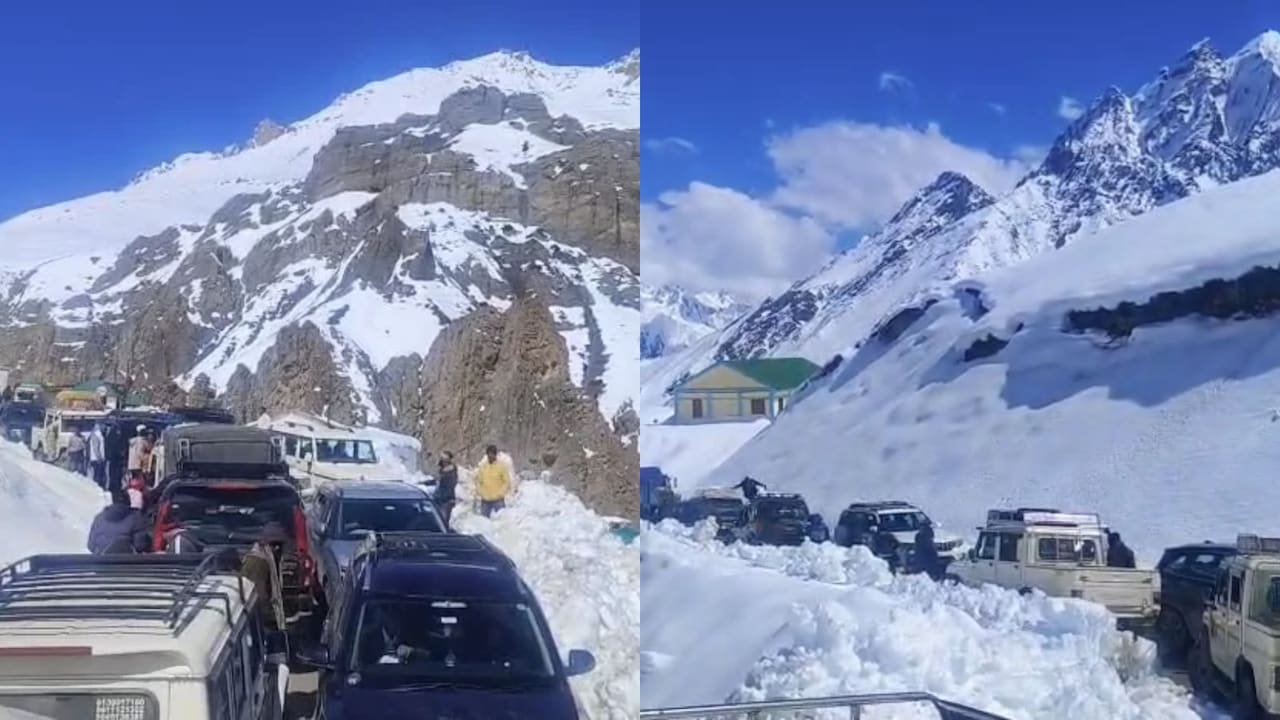
Viral footage shows a massive, kilometers-long queue of vehicles stranded in the snow-covered Adi Kailash region. The congestion highlights the logistical challenges of remote Himalayan tourism and infrastructure limitations.
The Viral Gridlock at Adi Kailash
Recent social media footage has captured a striking scene: a kilometers-long queue of vehicles snaking through the snow-covered terrain of Adi Kailash. This visual evidence of extreme traffic congestion in one of the most remote and sacred regions of the Himalayas has sparked significant concern regarding the intersection of rising spiritual tourism and underdeveloped infrastructure. The sight of stranded travelers in such an inhospitable, high-altitude environment underscores the fragility of access routes in the border regions of Uttarakhand.
The Rise of Himalayan Pilgrimage Tourism
Adi Kailash, often referred to as 'Chota Kailash,' has witnessed a surge in visitors seeking both spiritual solace and adventure. Historically, access to this region was restricted to seasoned trekkers and pilgrims due to its proximity to the international border and the extreme climatic conditions. However, improved road connectivity—part of broader strategic infrastructure projects in the borderlands—has democratized access. This shift has inadvertently created a new challenge: managing high volumes of private vehicle traffic in areas not originally engineered for mass tourism.
Logistical and Environmental Fragility
The viral videos highlight a critical vulnerability in the regional transport network. When road capacity is exceeded in high-altitude zones, even minor delays can cascade into massive gridlock. In snow-covered conditions, the risk of vehicle breakdown or sliding increases exponentially, turning a standard pilgrimage route into a hazardous bottleneck. The environmental impact of such congestion in a pristine, fragile ecosystem is also a growing concern, as carbon emissions and waste management become increasingly difficult to regulate at these altitudes.
Infrastructure vs. Demand
While infrastructure development is essential for both military logistics and local economic growth, the Adi Kailash incident suggests that the pace of tourism growth currently outstrips the capacity of the existing road network. The lack of adequate parking, rest areas, and emergency management systems along these newly expanded routes creates a scenario where a single obstruction can paralyze movement for hours, if not days. This necessitates a transition toward more controlled tourism models, such as mandatory permits or scheduled convoy systems.
Future Trends in High-Altitude Travel
Looking ahead, authorities are likely to face increased pressure to implement stricter traffic management protocols in the Himalayas. As social media continues to popularize 'off-the-beaten-path' destinations, the burden on remote regions will only intensify. Future trends will likely include a push toward sustainable tourism practices, potentially involving restricted vehicle access and the promotion of organized, state-managed transport services to prevent future gridlock scenarios that pose risks to both public safety and regional stability.
Verification Required?