
The Calendar Lie
Why do we treat the calendar as a biological death sentence? For decades, the medical establishment has tethered health outcomes to the date of birth. It is a lazy correlation. We assume that a 70-year-old is inherently more fragile than a 40-year-old, ignoring the asymmetry of biological wear. The data now suggests that chronological age is a poor proxy for actual cardiovascular decay. The real story is not how many years you have lived, but how much load your systems have siphoned over those years.
This is where allostatic load enters the ledger. Unlike a single blood pressure reading, allostatic load measures the cumulative wear and tear on the body's metabolic, cardiovascular, and immune systems (Source: Journal of Racial and Ethnic Health Disparities, 2022). It is a composite score. When these markers climb, the body loses its capacity to return to baseline after a stressor. This create a leak in the system where the cost of adaptation exceeds the body's resources.
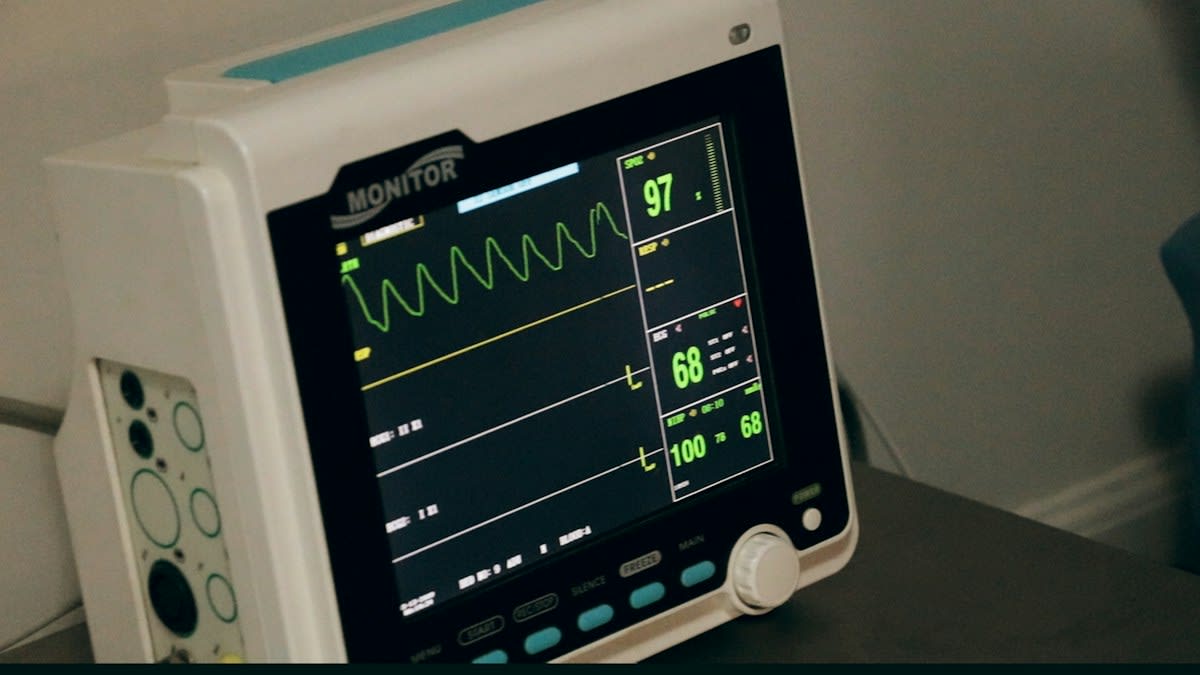
The numbers are brutal. In a study of over 1,000 US adults aged 50 and older, every single point increase in the allostatic load of glucose homeostasis was linked to a 9.5% higher risk of all-cause death (Source: NHANES, 2024). Even more alarming is the 15.8% increase in cardiovascular-specific death for the same one-point climb (Source: NHANES, 2024). Age did not drive these outcomes; the load did. This suggests that a 'young' person with high allostatic load is biologically older and more vulnerable than an 'elderly' person with low load.
| Metric | Biological Focus | Predictive Outcome | Source |
|---|---|---|---|
| Allostatic Load | Metabolic/Immune/CV | 15.8% CV Death Risk per point | NHANES, 2024 |
| Heart Rate Variability | Autonomic Nervous System | Acute Stress Recovery | Frontiers in Psychology, 2026 |
| Epigenetic Age | DNA Methylation | 18% Mortality Mediation | NHANES, 2024 |
This decay is not distributed evenly. The Jackson Heart Study, which focused on African Americans, highlighted how biological robustness modifies the association between allostatic load and cardiovascular outcomes like stroke and heart failure (Source: Journal of Racial and Ethnic Health Disparities, 2022). It reveals a critical gap in how we treat diverse populations. By focusing on race or age as static risk factors, we miss the dynamic siphoning of health that occurs due to environmental and systemic stressors.
Insider Perspective: The Data Collision
The industry is currently locked in a collision between 'clinical purity' and 'data volume.' Traditional cardiologists rely on gold-standard Polysomnography (PSG) for sleep and stress analysis, which provides a perfect snapshot of one night in a sterile lab. Wearable advocates argue that 365 days of nocturnal heart rate variability (HRV) data is more valuable than one perfect night. The friction lies in the validation: can a ring truly replace a lab? For those tracking inflammatory arthritis flares or heart failure, the answer is increasingly yes.
The Autonomic Tether
Heart Rate Variability (HRV) is the most accessible window into this biological buffer. It is not about how fast your heart beats, but the fluctuation in the intervals between those beats. This variability is regulated by the autonomic nervous system (ANS). The sympathetic nervous system accelerates the heart during stress, while the parasympathetic system slows it for recovery (Source: Frontiers in Psychology, 2026). A healthy heart is a variable heart. A rigid heart is a failing heart.
"Heart rate variability reflects fluctuations in the time intervals between successive heartbeats... The dynamic interplay between these systems helps maintain physiological homeostasis."— Frontiers in Psychology, 2026
However, HRV is not a magic bullet. It is sensitive to the terrain of daily life. Respiration, posture, physical activity, and even circadian factors can distort the signal (Source: Frontiers in Psychology, 2026). This is why episodic measurements are useless. You cannot measure a person's autonomic capacity with a five-minute clip in a doctor's office. You need the longitudinal web of data to see the actual trend of recovery.
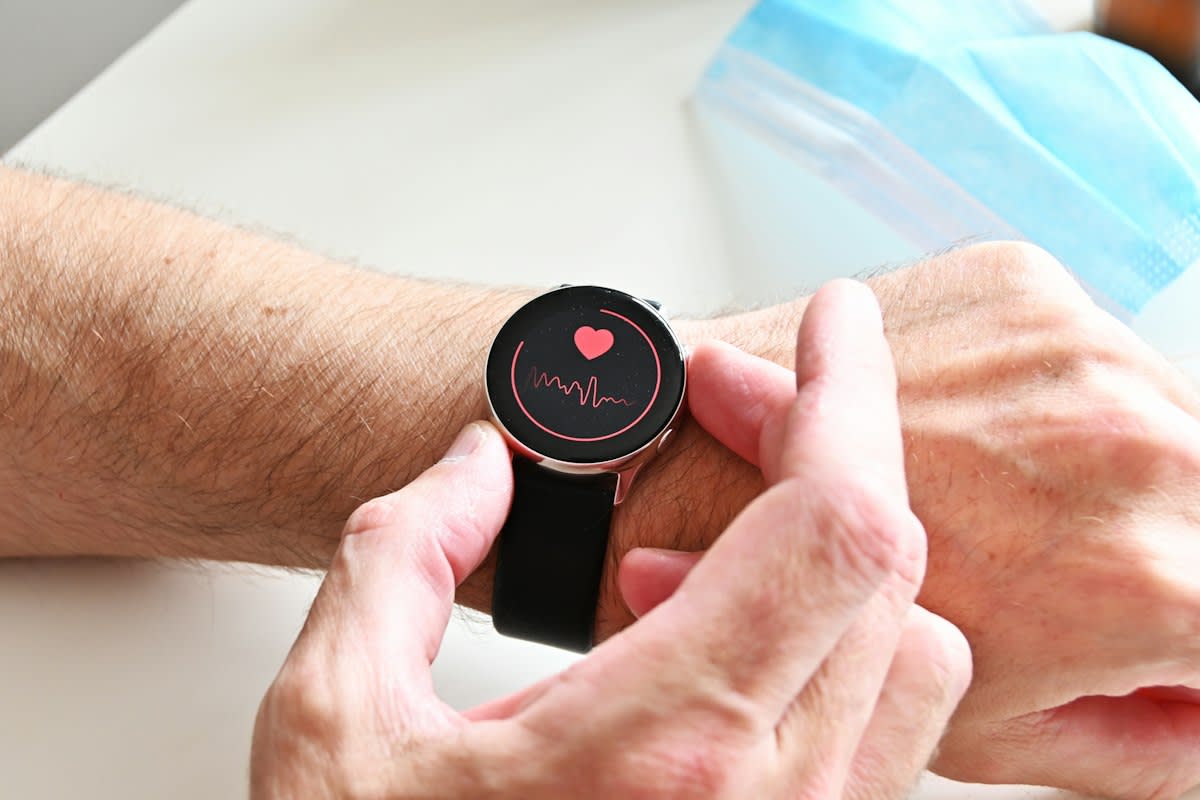
The move toward continuous monitoring is already happening in high-stakes clinical trials. Researchers at the University of Central Florida are using nocturnal HRV data from Oura rings to track inflammatory arthritis activity and identify flares between clinic visits (Source: Yahoo Finance, 2026). Similarly, Cornell Tech is exploring whether this same data can support the remote monitoring of patients with heart failure (Source: Yahoo Finance, 2026). They are no longer asking if the device is accurate; they are asking how the data can predict a crash.
This represents a hard turn in diagnostics. We are moving from reactive medicine—treating the heart attack—to predictive monitoring—tracking the siphoning of the autonomic buffer. The DigiTwin study at Mount Sinai's BioMedical Engineering and Imaging Institute takes this further, combining year-round Oura Ring data with annual whole-body imaging (Source: Yahoo Finance, 2026). They are building a digital mirror of the patient. This allows them to see the lag between a lifestyle stressor and a biological failure.
Fact-Check & Accuracy Note
The use of epigenetic age biomarkers, specifically HorvathAge and PhenoAge, remains a point of academic debate. While NHANES data shows these biomarkers mediated 7.53% and 18.00% of the allostatic load-mortality association (Source: NHANES, 2024), critics argue that epigenetic clocks may reflect the result of decay rather than the cause. The debate centers on whether we can use these clocks to intervene or if they are simply the final ledger of a life already spent.
The implication is clear. We can stop obsessing over the number of candles on the cake. Instead, we must look at the allostatic load and the autonomic recovery rate. When the epigenetic age mediates nearly 20% of the mortality risk associated with metabolic load, the calendar becomes irrelevant (Source: NHANES, 2024). The focus shifts to maintaining the biological buffer. If you can keep your load low and your HRV high, you effectively decouple your health from your age.
This is the new terrain of longevity. It is not about 'anti-aging' in the cosmetic sense. It is about mechanical integrity. By monitoring the siphoning of the parasympathetic system and the accumulation of metabolic load, we can identify the exact moment a system begins to fail. The lag between the first biomarker shift and the first symptom is where the opportunity for intervention lives.