Nurses Sound Alarm as 'Uber for Nursing' Apps Push to Deregulate Healthcare
Source Entity
Hacker News
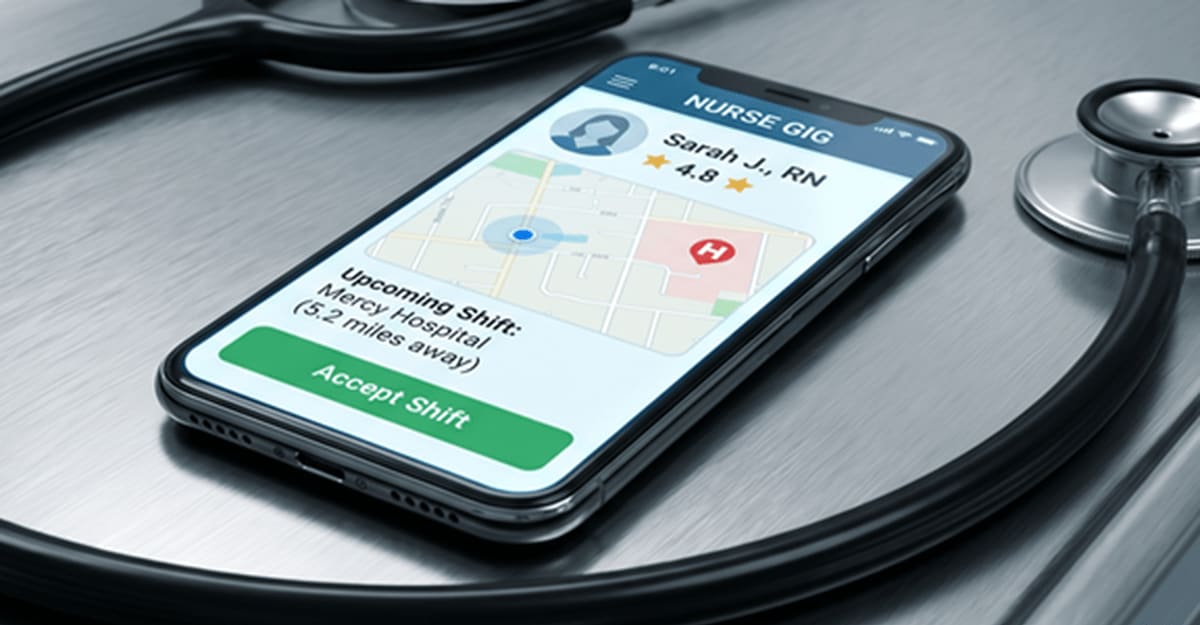
A new AI Now Institute report highlights concerns over 'Uber for nursing' apps lobbying to deregulate healthcare staffing. These gig-work platforms are criticized for potentially eroding labor protections, reducing pay, and increasing surveillance for nurses.
The Rise of the Gig Economy in Healthcare
The landscape of medical staffing is undergoing a radical transformation as digital platforms, often dubbed 'Uber for nursing,' aggressively expand their footprint in hospitals and long-term care facilities. According to the April 21, 2026, report by the AI Now Institute, titled Uber for Nursing Part II, these platforms have moved beyond simple recruitment to actively lobbying states to rewrite long-standing healthcare staffing regulations. This shift represents a significant departure from traditional employment models, raising critical questions about the future of professional nursing standards and labor rights.
Financial Power and Market Dominance
The scale of this disruption is reflected in the massive capital infusion into these technologies. The report identifies major players such as Clipboard Health, ShiftKey, CareRev, and IntelyCare as the primary drivers of this trend. Collectively, the top ten platforms in this sector have secured approximately $1.4 billion in funding. The valuation of firms like ShiftKey, now reaching $2 billion, and Clipboard Health, at $1.3 billion, underscores a high-stakes market environment where venture capital is betting heavily on the commodification of nursing labor.
The Threat to Professional Protections
At the heart of the controversy is the potential erosion of the nurse-patient relationship and workplace stability. Critics argue that by reclassifying shift work through algorithmic management, these platforms may undermine the protections that nurses have historically relied upon. The report highlights concerns that the push for deregulation will lead to decreased compensation, fewer benefits, and a loss of control over work-life balance for healthcare professionals who are already battling high rates of burnout.
Algorithmic Management and Surveillance
The integration of AI-driven pricing and performance monitoring introduces a new layer of complexity to the nursing profession. By utilizing automated systems to manage shift fill rates and evaluate individual performance, these platforms move toward a model of constant surveillance. This creates an environment where nurses are subject to the whims of algorithms, which may prioritize cost-efficiency for facilities over the continuity of care or the wellbeing of the nursing staff.
Broader Implications for Healthcare Infrastructure
If these platforms succeed in their lobbying efforts to deregulate state healthcare staffing rules, the industry could face a permanent structural shift. Moving away from traditional employment toward a gig-based model threatens to destabilize healthcare staffing by prioritizing short-term flexibility over long-term institutional knowledge. As these apps continue to scale, the tension between technological efficiency and the human-centric requirements of medical care will likely become a defining issue in healthcare policy for the remainder of the decade.
Conclusion
The findings from the AI Now Institute serve as a cautionary tale regarding the rapid integration of gig-work models into essential public infrastructure. While these platforms offer a solution to staffing shortages, the cost of this efficiency may be the systematic degradation of nursing standards. As states consider the lobbying efforts of these multi-billion dollar entities, they must weigh the promise of digital convenience against the necessity of preserving a stable, protected, and well-supported nursing workforce.