Is brown rice really healthier than white rice?
Source Entity
Latest News: Todays Latest News Headlines from India & World | Hindustan Times
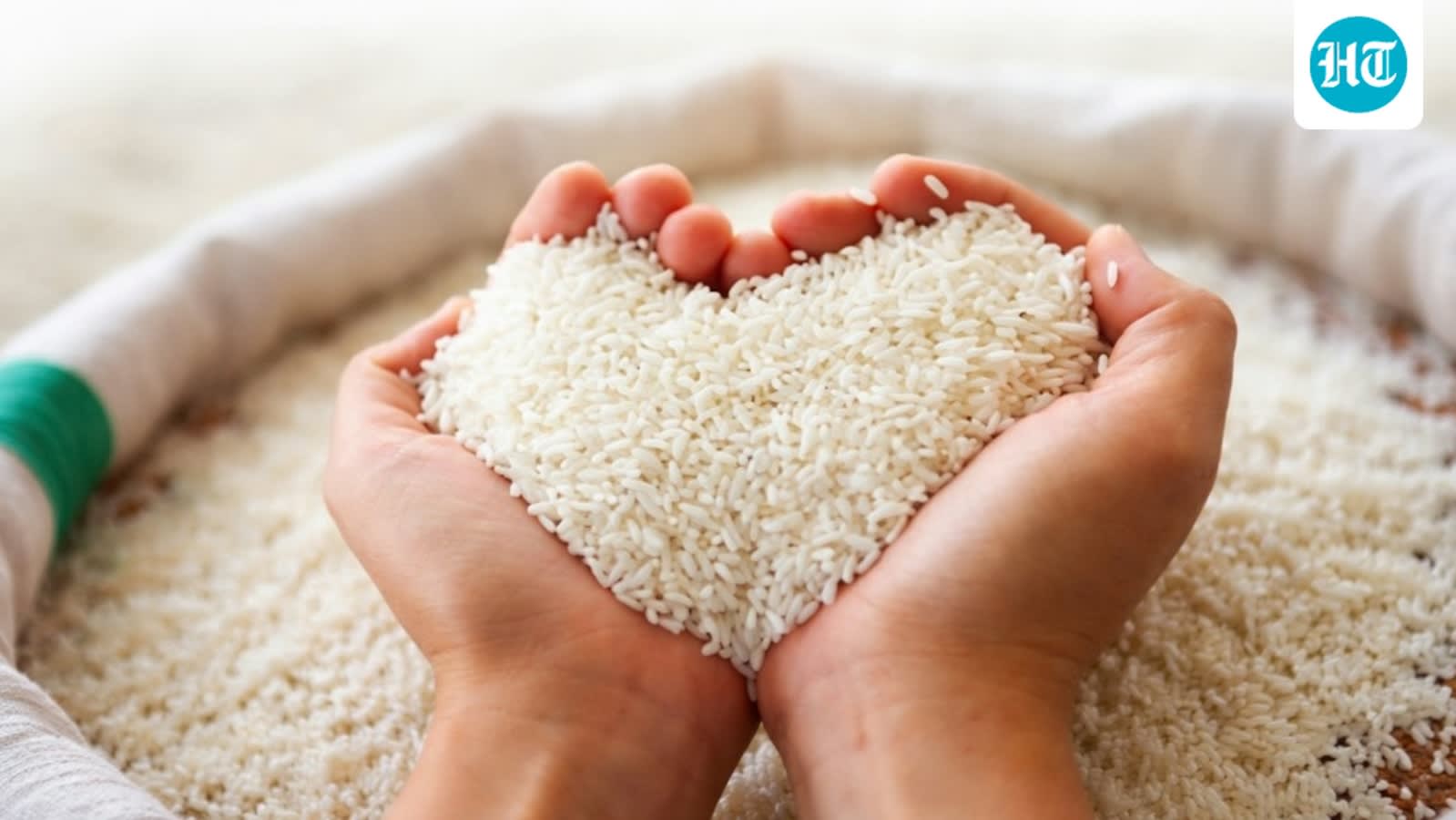
While brown rice is often touted as healthier due to its fiber-rich bran and germ, the distinction may be overstated. Observational studies suggest that lifestyle factors, rather than the rice variety itself, often drive health outcomes.
The Great Rice Debate: Unpacking Nutritional Myths
Rice remains a fundamental pillar of global nutrition, providing nearly 20% of the world's caloric intake. As populations grapple with rising metabolic health concerns, the debate over whether brown rice is superior to white rice has intensified. At the center of this discussion is the chemical composition of the grain: rice is primarily composed of starch, which the digestive system systematically converts into glucose. When the body's ability to regulate these blood sugar spikes is compromised, the risk of developing type-2 diabetes increases significantly.
The Anatomy of the Grain
To understand the nutritional differences, one must look at the milling process. Brown rice is essentially a whole grain; it retains its fibrous outer layer, known as the bran, and the nutrient-dense seed embryo, the germ. In contrast, white rice undergoes milling to remove these components, which strips away much of the fiber and specific micronutrients. Nutritional lore has long favored brown rice, positing that this retained structure provides a metabolic advantage that its refined counterpart lacks.
The Confounding Role of Lifestyle
However, scientific scrutiny suggests that the color of the grain may not be the primary determinant of health. Evidence from 2010 and 2022 research indicates that the perceived health benefits of brown rice are often tied to the demographic profiles of those who consume it. Individuals who consciously choose brown rice are statistically more likely to engage in healthier lifestyle behaviors, such as smoking less, exercising more frequently, and maintaining a more balanced overall diet.
Challenging Observational Findings
When researchers attempt to isolate the effects of rice consumption, they face the challenge of 'confounding variables.' Because brown rice consumers often lead healthier lives, it is difficult to determine if the grain itself is the cause of improved health or merely a marker of a health-conscious lifestyle. A review of eight observational studies highlights that while the glycemic index is a concern, the dietary patterns surrounding the rice consumption are often more influential than the specific variety consumed.
Metabolic Implications and Future Trends
As we look toward the future of nutritional science, the focus is shifting away from vilifying single foods and toward understanding metabolic health in a holistic context. The core issue remains the rapid conversion of starch into blood sugar, which necessitates a broader look at total carbohydrate intake and dietary habits rather than focusing solely on the 'brown versus white' dichotomy. Future research will likely focus on how these grains interact with individual gut microbiomes and distinct metabolic profiles.
Conclusion
In summary, while brown rice is technically more nutrient-dense due to its retained bran and germ, the health 'halo' surrounding it is likely amplified by the healthier lifestyles of its consumers. For the average person, the most effective strategy for preventing blood sugar dysregulation is not necessarily a simple swap of rice types, but rather a focus on overall diet quality, consistent physical activity, and moderation of total starch intake.
Verification Required?