End your day with Om: The ancient mantra that helps you let go of daily worries and return to stillness
Source Entity
Latest News: Todays Latest News Headlines from India & World | Hindustan Times
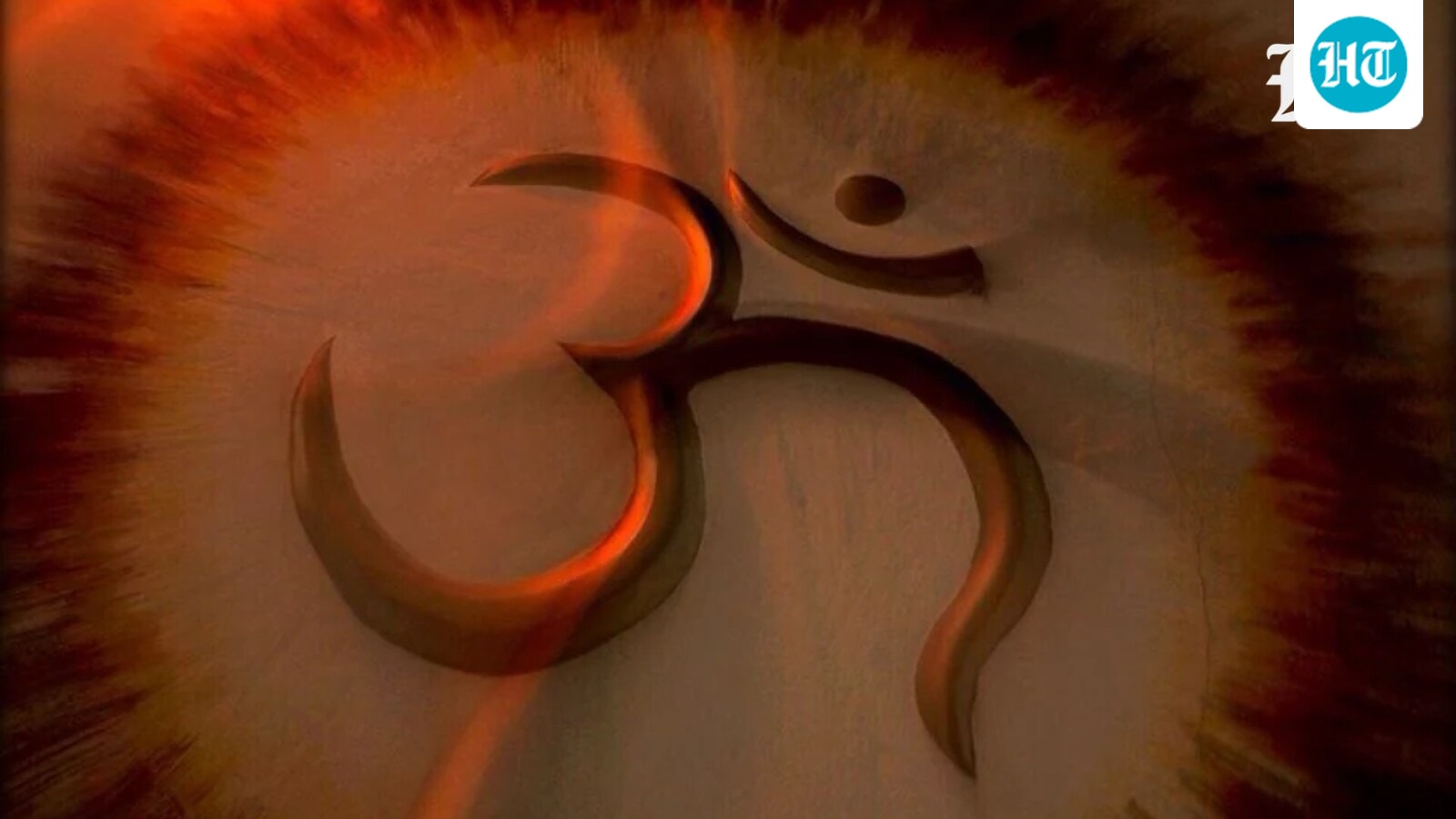
Chanting the mantra Om serves as an effective meditative practice to transition from daily stressors to evening stillness. This ancient technique helps individuals detach from lingering thoughts and cultivate mental presence.
The Power of Om: Transitioning from Chaos to Calm
In our modern, high-speed world, the boundary between professional responsibilities and personal rest has become increasingly blurred. The practice of chanting 'Om'—often referred to as the Pranava—offers a time-tested physiological and psychological bridge to help individuals process the transition from a day filled with cognitive demands to a state of evening stillness. By consciously engaging in this ancient mantra, practitioners can create a necessary 'pause' that signals to the nervous system that the active phase of the day has concluded.
Understanding the Cognitive Residue
Many individuals find that even when physically removed from their workplace or social obligations, their minds remain hyper-active. This phenomenon, often described as 'cognitive residue,' occurs when the brain continues to loop through unfinished tasks, lingering conversations, or anxieties about the future. The provided context highlights that this mental fixation often prevents true relaxation, making it difficult to be present even in the comfort of one's own home. Chanting acts as a tool to interrupt these ruminative cycles.
The Mechanics of the Pranava Mantra
As the 'first mantra,' Om is not merely a linguistic sound but a vibrational tool used in various meditative traditions. When chanted at the end of the day, the rhythmic quality and the focus required to enunciate the sound help anchor the practitioner in the present moment. By focusing on the vibration and the sound, the mind is effectively diverted from the 'what-ifs' and 'what-needs-to-be-dones,' allowing for a cognitive reset that facilitates deeper relaxation.
Broad Implications for Mental Well-being
Incorporating such a simple, accessible practice into one's evening routine carries significant implications for long-term mental health. Chronic stress, fueled by an inability to 'switch off,' can lead to burnout and sleep disturbances. By utilizing the Pranava as a mental hygiene tool, individuals can cultivate a habit of detachment. This does not mean ignoring responsibilities, but rather creating a healthy psychological distance that preserves mental energy for the following day.
Historical Context and Future Trends
While the mantra Om has roots in ancient traditions, its application in contemporary wellness is growing. As society grapples with an epidemic of digital distraction and constant connectivity, there is a clear trend toward reclaiming silence through ancient mindfulness techniques. Future wellness trends are likely to continue emphasizing these 'low-tech' interventions, as people seek effective, cost-free methods to maintain equilibrium in an increasingly complex and demanding global environment.
Conclusion
The practice of chanting Om is a profound yet simple method for reclaiming one's peace of mind. By establishing a ritual that marks the end of the day's demands, individuals can let go of the weight of their daily worries and foster a state of stillness. Whether viewed through a historical, spiritual, or purely psychological lens, the Pranava remains a vital tool for navigating the pressures of modern life.
Verification Required?