The Biological Imperative
Your body does not operate on a linear clock; it functions on a rhythmic, oscillating system governed by the suprachiasmatic nucleus (SCN) in the hypothalamus. This master clock synchronizes every cell in your body, from the liver to the lungs, ensuring that metabolic processes occur when they are most efficient. For millennia, this system was anchored by the rising and setting of the sun. Modernity has shattered this connection. We live in a world of perpetual twilight, where LED screens and midnight snacks convince our brains that it is always noon, leading to a state of chronic biological misalignment.
Consider the stark contrast between a professional in Oslo during the winter solstice and a digital nomad in Singapore. The former battles a profound lack of light that suppresses serotonin and disrupts the sleep-wake cycle, while the latter faces a consistent equatorial light profile that can lead to overheating and midday cognitive crashes if not managed. Regardless of latitude, the fundamental mechanics remain the same. When your internal rhythm drifts from the external environment, you experience a systemic degradation in cognitive function, mood stability, and metabolic health.
The Drift Factor
The human circadian period is not exactly 24 hours; for most, it averages around 24.2 hours. Without external cues—known as zeitgebers—your internal clock would naturally drift later every single day.
Prerequisites for the Reset
You cannot reset a biological system with willpower alone; you need environmental levers. To execute this guide, you must control your light, temperature, and nutrient intake with precision. The goal is to provide the SCN with unmistakable signals that define the start and end of your active phase.
- A high-intensity light therapy lamp (minimum 10,000 lux) for low-light environments.
- Blackout curtains or a high-quality contoured sleep mask to ensure total darkness.
- A smart thermostat or cooling pad capable of maintaining a room temperature of 18 degrees Celsius (65 degrees Fahrenheit).
- A consistent wake-up time, regardless of sleep duration or day of the week.
- Blue-light blocking glasses (amber-tinted) for use after sunset.
The Step-by-Step Reset Protocol
- Anchor the Wake-Up: Trigger the cortisol spike with immediate light exposure.
- Optimize the Metabolic Window: Align nutrient intake with insulin sensitivity.
- Manage the Afternoon Trough: Utilize strategic movement to combat the dip.
- Initiate the Evening Fade: Block short-wavelength light to trigger melatonin.
- Engineer the Thermal Drop: Lower core body temperature to induce deep sleep.
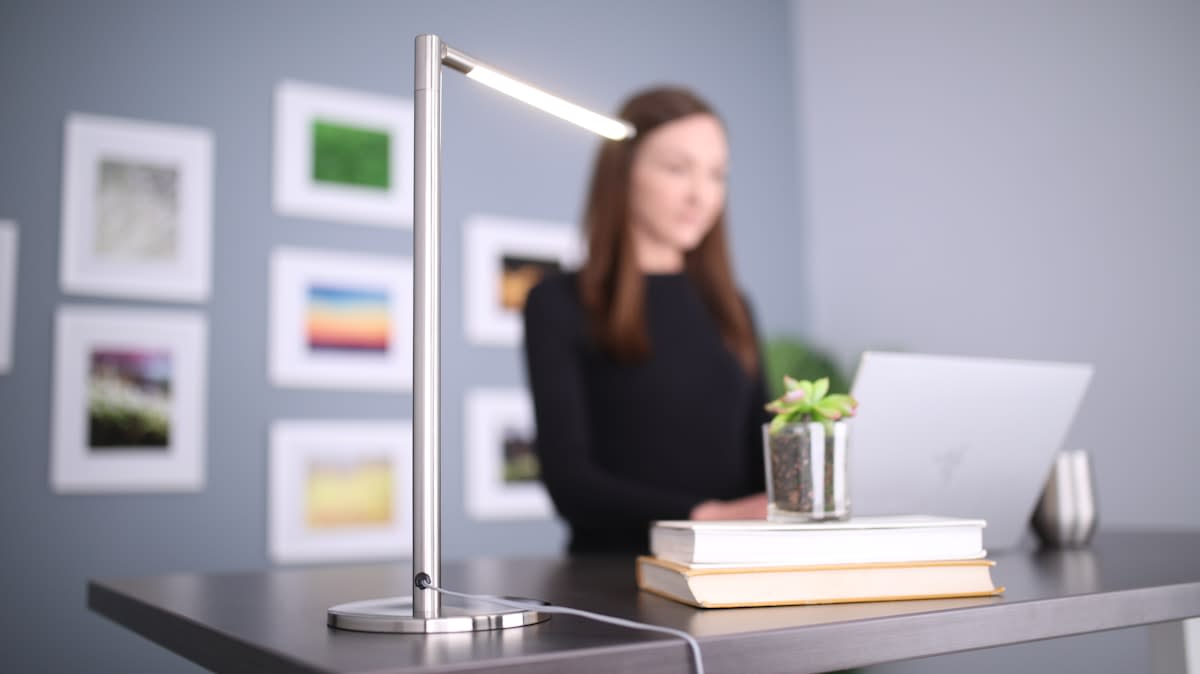
Step one is non-negotiable: you must anchor your day. Within 30 minutes of waking, expose your eyes to bright light. The retina contains intrinsically photosensitive retinal ganglion cells (ipRGCs) that are specifically tuned to short-wavelength blue light, peaking around 480 nanometers. When these cells detect photons, they signal the SCN to suppress melatonin and trigger a sharp rise in cortisol. This doesn't just wake you up; it sets a biological timer that determines when you will feel sleepy 16 hours later. If you live in a region with grey winters, a 10,000 lux lamp is your primary tool for survival.
Once the clock is anchored, you must manage your metabolic window. Your body's ability to process glucose is highest in the morning and early afternoon. Consuming the bulk of your calories during this period aligns with the natural rhythm of insulin sensitivity. Implement a 12-hour fasting window—for example, eating from 8 AM to 8 PM—to prevent metabolic confusion. When you eat late at night, you send a conflicting signal to your peripheral clocks in the liver and gut, telling them it is time for energy production while your brain is trying to initiate sleep.
Around 2 PM to 4 PM, most humans experience a dip in alertness known as the post-prandial trough. Instead of fighting this with a third cup of coffee—which has a half-life of roughly 5 to 6 hours and will sabotage your sleep—use strategic movement. A brisk 15-minute walk or a short burst of high-intensity activity increases blood flow to the prefrontal cortex and provides a non-pharmacological boost in alertness. This maintains the momentum of your day without interfering with the upcoming wind-down phase.
The transition to sleep begins long before you hit the pillow. As the sun sets, the quality of light must shift from blue-rich to red-rich. Blue light at 480nm is the most potent suppressor of melatonin. By switching to dim, warm lighting or wearing amber glasses two hours before bed, you allow the pineal gland to begin secreting melatonin. This is the signal that the active phase has ended. If you stare at a smartphone screen until the moment you close your eyes, you are effectively telling your brain that the sun is still up, delaying sleep onset and reducing the quality of REM cycles.
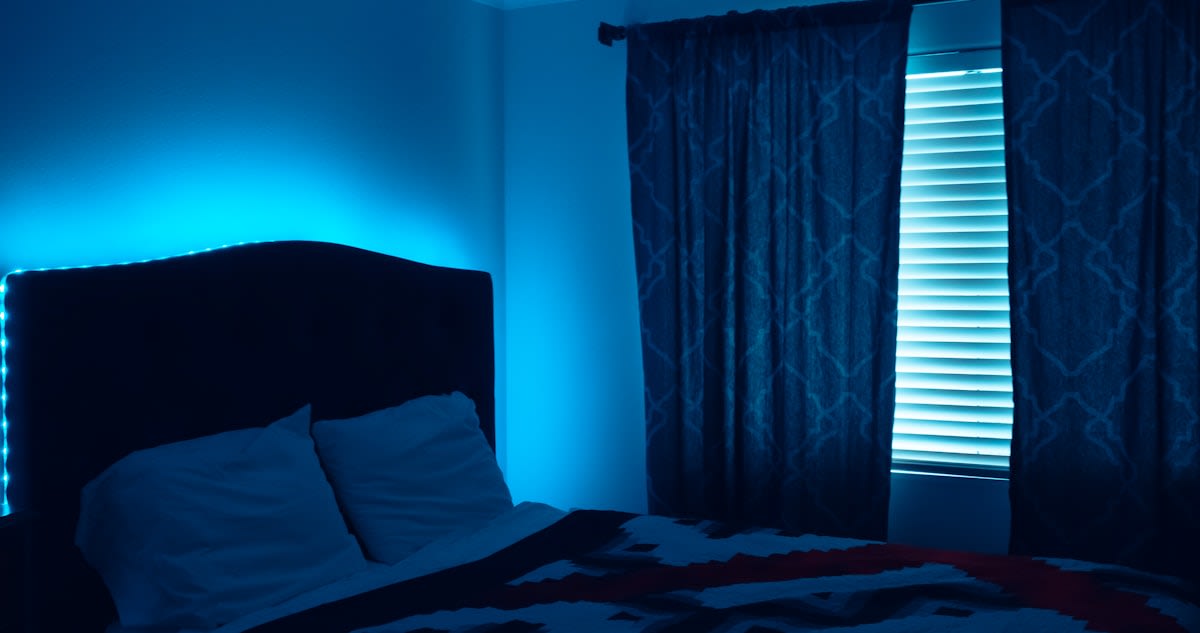
The final lever is thermal regulation. Your core body temperature must drop by approximately 1 to 2 degrees Celsius to initiate and maintain deep sleep. This is why a room kept at 18 degrees Celsius is optimal. A warm bath before bed may seem counterintuitive, but it actually facilitates this drop by drawing heat from the core to the extremities (vasodilation), effectively cooling the internal organs. When the environment is too warm, your body struggles to shed heat, leading to fragmented sleep and a morning feeling of grogginess.
"We are not merely biological machines; we are rhythmic organisms. To ignore the clock is to fight the very fabric of our evolution."— Industry Expert in Chronobiology
Common Pitfalls
The most frequent failure in circadian alignment is Social Jetlag. This occurs when you maintain a strict schedule during the work week but shift your wake-up time by two or more hours on the weekend. This shift creates a state of biological confusion similar to flying across two time zones every Friday night. By Monday morning, you aren't just tired; you are suffering from a systemic mismatch. The solution is consistency. Keep your wake-up time within a 60-minute window every single day of the year.
Another critical error is the caffeine trap. Many users consume caffeine to mask the effects of a broken circadian rhythm, not realizing that caffeine blocks adenosine receptors. Adenosine is the chemical that builds up in your brain throughout the day to create 'sleep pressure.' When you block these receptors, you don't remove the tiredness; you simply hide it. Once the caffeine wears off, the accumulated adenosine hits all at once, leading to the dreaded afternoon crash and a cycle of dependency that further destabilizes the SCN.
| Chronotype | Peak Alertness | Ideal Wake Time | Primary Challenge |
|---|---|---|---|
| Lion (Early Bird) | 6 AM - 10 AM | 5 AM - 6 AM | Early evening fatigue |
| Bear (Intermediate) | 10 AM - 2 PM | 7 AM - 8 AM | Mid-afternoon slump |
| Wolf (Night Owl) | 5 PM - 9 PM | 9 AM - 10 AM | Morning brain fog |
Typical 24-Hour Hormonal Oscillation
Executive Insight
+18.4%
YTD Growth