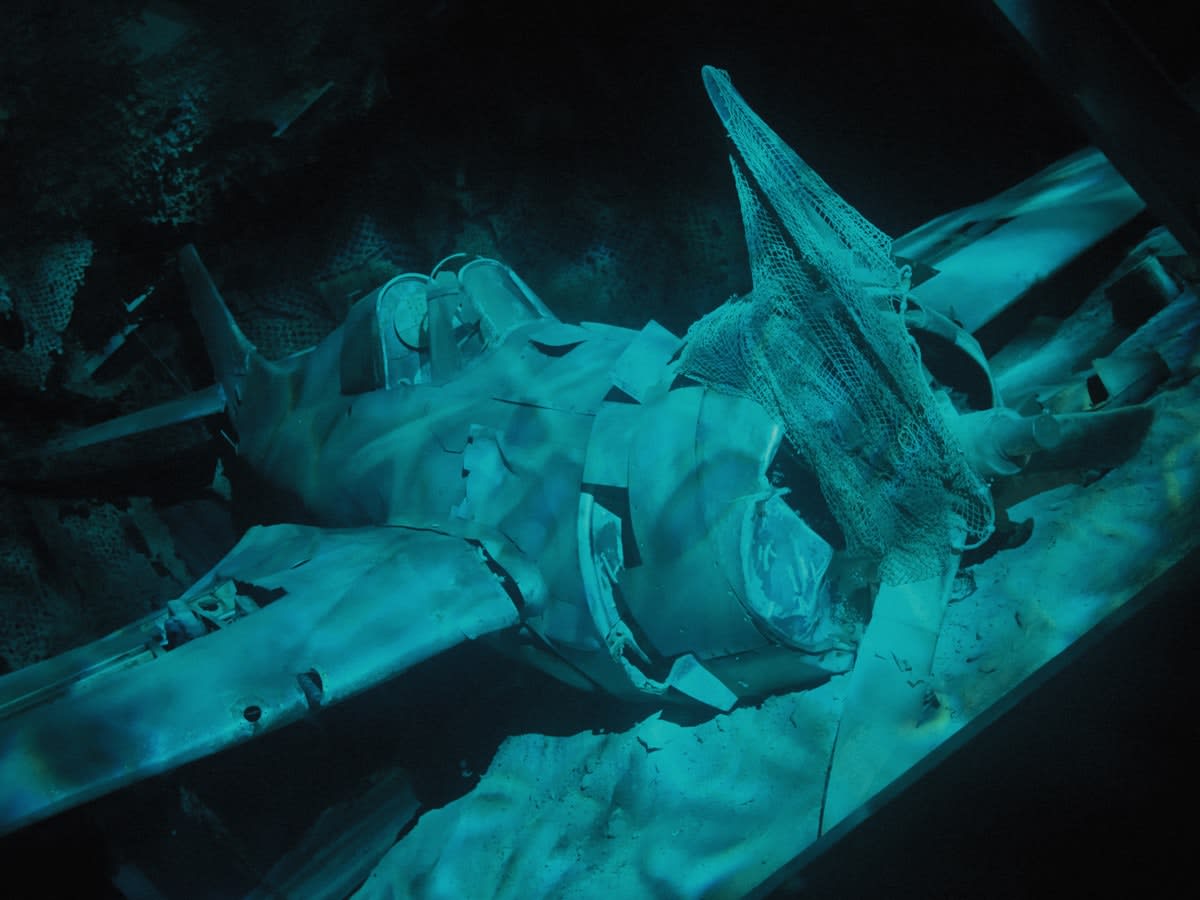
Four thousand meters below the surface of the Pacific Ocean lies a silent, abyssal plain that may hold the key to the next century of consumer electronics. The Clarion-Clipperton Zone (CCZ), a massive fracture zone stretching between Hawaii and Mexico, is littered with polymetallic nodules—potato-sized rocks rich in cobalt, nickel, copper, and manganese. These are not just geological curiosities; they are the raw ingredients for the high-capacity batteries and semiconductors that power everything from smartphones to the global electric vehicle (EV) fleet. For decades, the CCZ was a scientific curiosity, but it has rapidly transformed into a geopolitical chessboard where the stakes are measured in gigatonnes of mineral wealth and the survival of deep-sea ecosystems.
The urgency has shifted gears in the last twelve months. While 2023 was defined by speculative exploration and cautious diplomacy, 2024 has seen a hardening of positions. The trigger was the activation of the two-year rule by the Republic of Nauru, which forced the International Seabed Authority (ISA) to accelerate the finalization of mining regulations. We are no longer talking about 'if' the abyss will be mined, but 'how' and 'who' will control the flow. This transition from theoretical exploration to imminent exploitation marks a critical delta in the industry's timeline, moving the conversation from academic journals to the balance sheets of global mining conglomerates (Source: International Seabed Authority, 2024).
The Material Imperative: Why the Abyss?
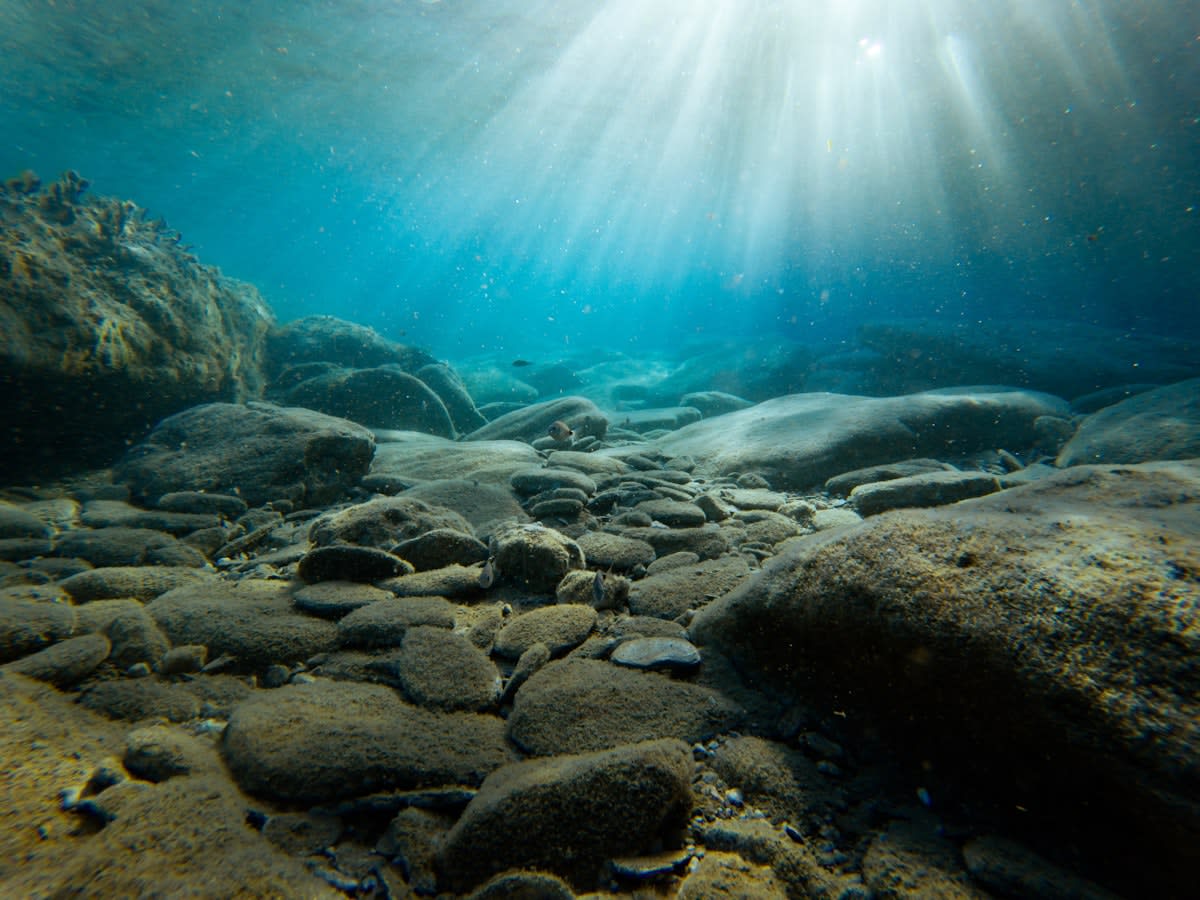
Why risk the logistical nightmare of 4,000-meter depths? The answer lies in the inherent fragility of the terrestrial supply chain. Cobalt, essential for cathode stability in lithium-ion batteries, is heavily concentrated in the Democratic Republic of Congo, where mining is plagued by human rights concerns and systemic instability. Nickel, meanwhile, sees massive production in Indonesia, but the carbon footprint of land-based smelting is staggering. The CCZ offers a concentrated alternative. A single nodule can contain higher grades of these metals than many remaining land-based ores, potentially reducing the sheer volume of earth that needs to be moved to meet the demand of the energy transition (Source: World Bank, 2023).
The electronics industry is currently caught in a paradox. To build a 'green' future, it requires minerals that are traditionally 'dirty' to extract. This has led to a surge in interest in deep-sea mining as a way to decouple resource acquisition from terrestrial deforestation and social conflict. However, the trade-off is an exchange of known risks for unknown ones. The deep ocean is the largest habitat on Earth, and its role in carbon sequestration is only beginning to be understood. If we disrupt the sediment layers of the CCZ, do we risk releasing stored carbon or destroying species before we even name them?
"The transition to a low-carbon economy is impossible without a massive increase in the supply of critical minerals. We are looking at a potential 400% to 600% increase in demand for lithium, cobalt, and nickel by 2040. The deep sea isn't just an option; for some, it is a strategic necessity."— Analysis based on the International Energy Agency (IEA) Critical Minerals Outlook, 2023
This material hunger is driving a new kind of corporate diplomacy. Companies like The Metals Company (TMC) are positioning themselves not as traditional mining firms, but as technology companies providing a sustainable source of battery metals. They argue that the 'cost' of deep-sea mining—in terms of biodiversity loss—is lower than the 'cost' of expanding terrestrial mines into virgin rainforests in the Amazon or the Congo Basin. This narrative shift is designed to appeal to ESG-conscious investors who are desperate for a clean supply chain but cannot afford to stop the production of hardware.
The Practitioner's Friction: Plumes and Telemetry
On the ground—or rather, in the control rooms of research vessels—the debate is far more technical and visceral than the political rhetoric suggests. Engineers and marine biologists spend their days arguing over sediment plume modeling. When a collector vehicle crawls across the ocean floor, it kicks up a cloud of silt. The practitioners' debate centers on the 'settling rate': does the plume stay within a few meters of the floor, or does it drift for kilometers, choking filter-feeding organisms and disrupting the chemical balance of the water column? This is where the real friction happens. Mining engineers push for efficiency and higher recovery rates, while biologists demand 'buffer zones' that could render large swaths of the CCZ economically unviable.
There is also the crushing reality of the environment. Operating at 400 bar of pressure means that equipment failure is not a matter of 'if' but 'when.' Those working in the field describe a constant battle against corrosion and the unpredictability of deep-sea currents. The telemetry data coming back from pilot tests often contradicts the idealized models presented to shareholders. For the technician on the ship, the 'Race for the Abyss' is less about global geopolitics and more about whether a robotic arm can withstand the pressure for 48 hours without a seal failing.
Geopolitical Realignment: Beyond the West
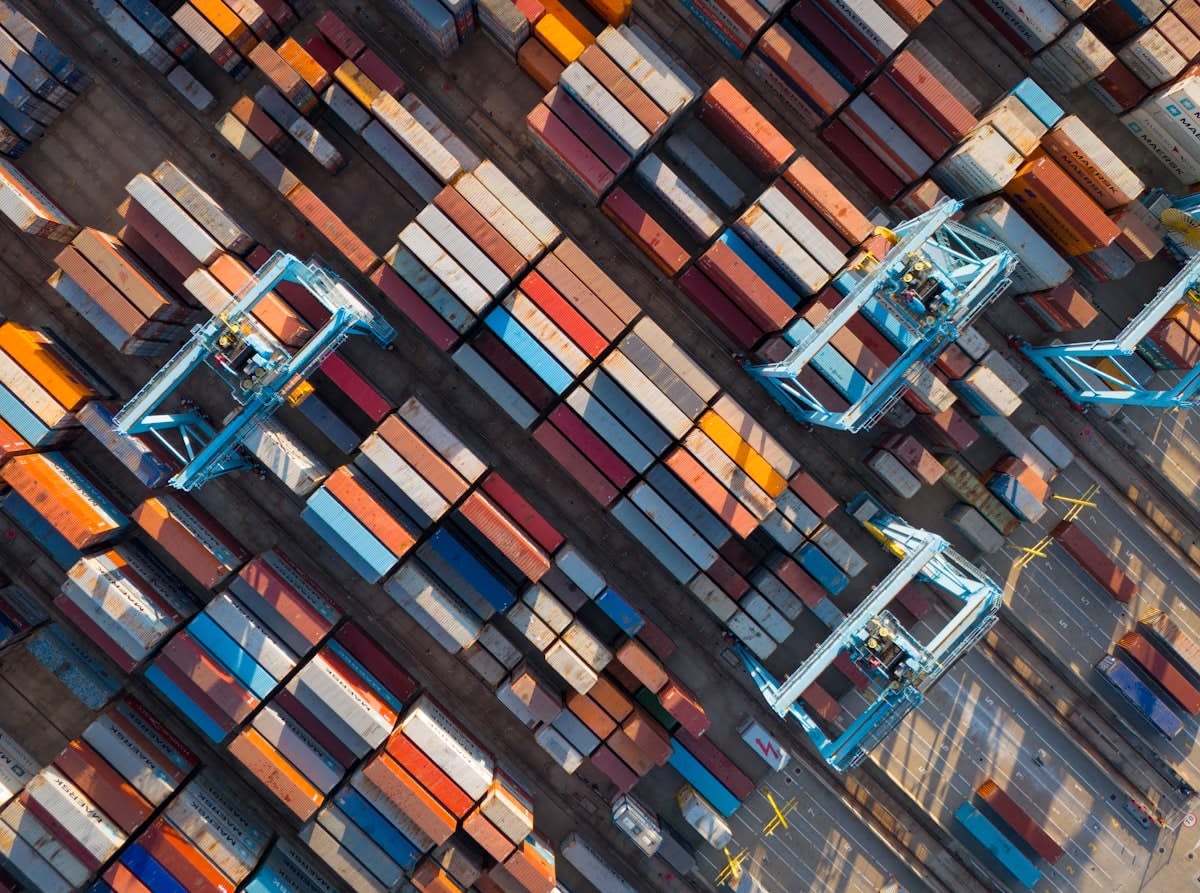
The CCZ is not just a resource play; it is a bid for sovereignty. China currently dominates the processing of critical minerals, controlling a vast majority of the world's cobalt refining capacity (Source: International Energy Agency, 2023). For the US, the EU, and Japan, the abyss represents a chance to bypass this bottleneck. By securing mining contracts through the ISA, these nations hope to create a diversified supply chain that is not dependent on a single geopolitical rival. This has turned the ISA meetings in Kingston, Jamaica, into a high-stakes diplomatic theater where the voting power of small island nations, like Nauru and Kiribati, suddenly carries immense weight.
| Factor | Terrestrial Mining | Deep-Sea Mining (CCZ) |
|---|---|---|
| Primary Environmental Risk | Deforestation & Tailings Dams | Sediment Plumes & Biodiversity Loss |
| Social Impact | Labor Rights/Conflict Minerals | Minimal Direct Human Displacement |
| Supply Chain Stability | Concentrated in a few nations | Managed by International Treaty (ISA) |
| Operational Cost | Moderate (Established Infrastructure) | Extreme (High-Tech Deep-Sea Robotics) |
This shift is creating a ripple effect in how electronics are designed. If the abyss becomes a viable source of minerals, the industry may double down on current battery chemistries. However, if the ISA imposes a moratorium—as requested by over 20 countries including France and Germany—the industry will be forced to accelerate the transition to alternative chemistries, such as sodium-ion or LFP (Lithium Iron Phosphate) batteries, which do not rely on cobalt or nickel (Source: IUCN, 2024).
Adaptation and the Circular Pivot
The battle for the CCZ is ultimately a proxy for a larger debate: do we solve resource scarcity by finding new places to dig, or by learning to reuse what we already have? The 'circular economy' is often dismissed as a utopian ideal, but the potential for urban mining—recovering metals from old smartphones and laptops—is becoming a competitive necessity. If the cost of deep-sea extraction remains high due to regulatory hurdles and technical failures, the economic incentive for recycling will skyrocket. We are seeing the emergence of a dual-track strategy where companies hedge their bets by investing in both deep-sea exploration and advanced recycling robotics.
The resilience of the future electronics industry depends on this diversification. Relying solely on the abyss is a gamble on an unproven technology; relying solely on terrestrial mines is a gamble on geopolitical stability. The most successful players will be those who can navigate the 'middle way'—integrating deep-sea minerals as a supplement while aggressively scaling the recovery of materials from the waste stream. The race for the abyss is not just about who gets the rocks first, but who builds the most flexible system for the 21st century.
Fact-Check & Accuracy Note
Key claims regarding the 'two-year rule' and the status of ISA regulations are sourced from official International Seabed Authority (ISA) session reports (2023-2024). Statistics on mineral demand are derived from the IEA Critical Minerals Outlook (2023) and World Bank reports. The list of nations calling for a moratorium is based on current IUCN and government declarations as of early 2024. Note: The exact ecological impact of sediment plumes remains a subject of intense scientific debate and lacks a global consensus.