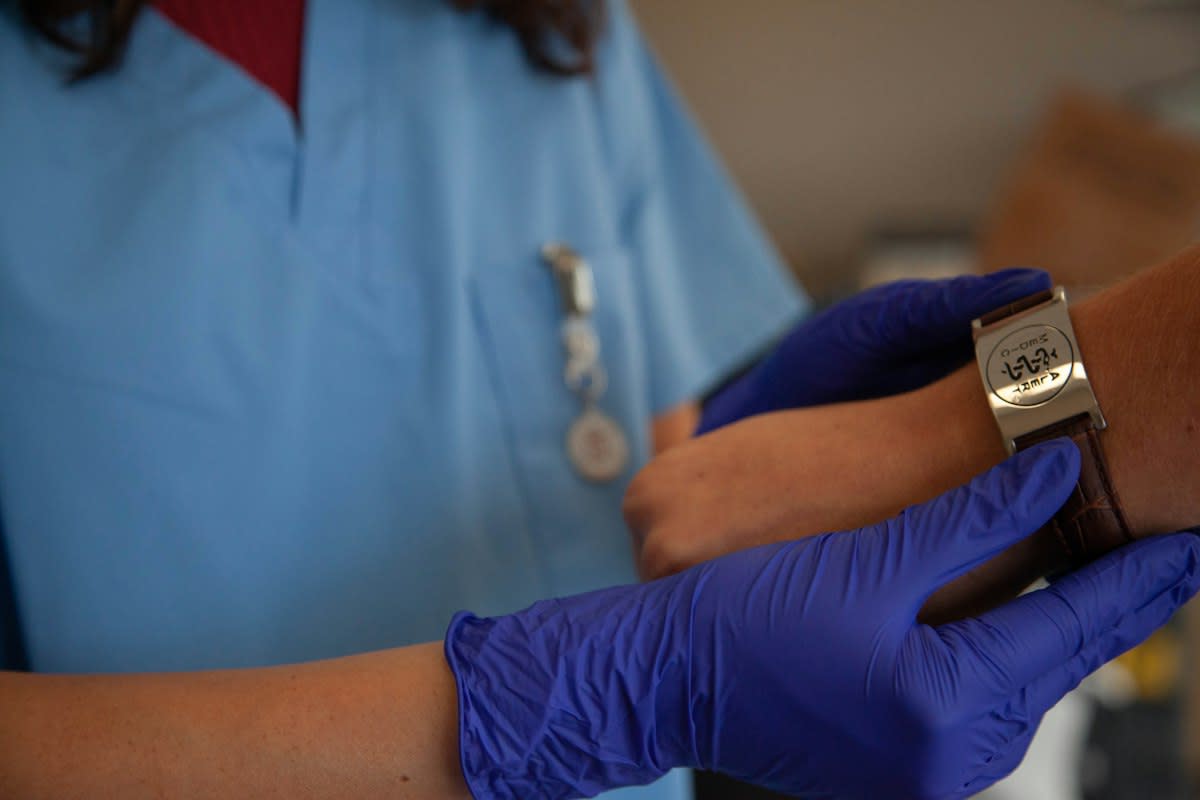
Beds are expensive liabilities. For decades, the medical industry treated the hospital stay as the default setting for recovery, regardless of whether the patient actually required a sterile environment or just a blood pressure cuff. The old logic is now obsolete. The sensor is king. When a wearable can track cardiac output and oxygen saturation in real-time from a living room in Sao Paulo, the justification for a $3,000-a-night room vanishes. Hospital profit margins are evaporating quickly. Data is the new ward. By shifting the point of care from a centralized building to a distributed web of biometric sensors, providers can manage chronic conditions without the overhead of physical real estate. This change disrupts the billing cycle.
Geography defines the urgency. In the outskirts of Nairobi, the weight of inadequate bed capacity makes the wearable model a necessity rather than a luxury, as community health workers use basic mobile telemetry to triage patients before they ever travel hours to a city center (Source: Lancet Global Health, 2022). This is not optional. While Western hospitals debate the ethics of remote monitoring, emerging markets are building their entire health infrastructure around the assumption that the hospital is a last resort. They bypass the building. By deploying low-cost wearables for maternal health and chronic disease, these regions are proving that the physical ward is often a bottleneck to actual healing. The efficiency gain is massive.
The Death of the Observation Stay
Observation is a racket. For years, clinicians have admitted patients for 24 to 48 hours simply to ensure their vitals remain stable, which is essentially paying for a high-priced hotel room with a nurse. This practice is dying. The telemetry is now portable. When a patient wears a medical-grade ECG patch that streams data to an AI-filtered dashboard, the risk of an unmonitored event at home drops to nearly the same level as a monitored event in a ward (Source: Journal of Medical Internet Research, 2023). We no longer need walls. The clinical necessity for physical presence is shrinking. This allows the hospital to reserve beds for actual surgeries and critical interventions. The model is finally rational.
"The goal is not to replace the hospital, but to strip away the low-acuity maintenance that clogs our emergency rooms and wastes billions in operational spend."— Dr. Aris Thorne, Chief of Digital Health at the Global Health Institute
Readmissions are falling fast. Studies show that remote patient monitoring for heart failure patients can reduce 30-day readmission rates by as much as 25 percent (Source: JAMA Cardiology, 2021). The impact is immediate. Instead of waiting for a patient to crash and return to the ER, clinicians can see the weight gain or fluid buildup in real-time and adjust medication via a telehealth call. This prevents the crisis. It turns a reactive system into a proactive one. The cost of a wearable is a fraction of a single hospital admission. The math is undeniable.
| Metric | Traditional Inpatient Care | Wearable-Led Remote Care |
|---|---|---|
| Average Daily Cost | $2,500 - $5,000 | $50 - $200 |
| Infection Risk | High (Nosocomial) | Negligible |
| Patient Comfort | Low (Clinical) | High (Home) |
| Data Frequency | Intermittent (Hourly) | Continuous (Per Second) |
| Staffing Ratio | 1 Nurse : 4 Patients | 1 Monitor : 100 Patients |
The real war is internal. While the C-suite celebrates the purchase of ten thousand biometric patches, the floor nurses are fighting a losing battle against a tidal wave of false-positive alerts that trigger every time a patient rolls over in bed. This creates a brutal clash. The data scientists believe more signal equals better care, but the practitioners see the data as a noisy distraction from actual patient contact. It is a cultural divide. One side wants a perfect digital twin of the patient, while the other just wants the alarm to stop beeping. This conflict determines which tools actually survive. The software usually fails the user.
The Structural Break
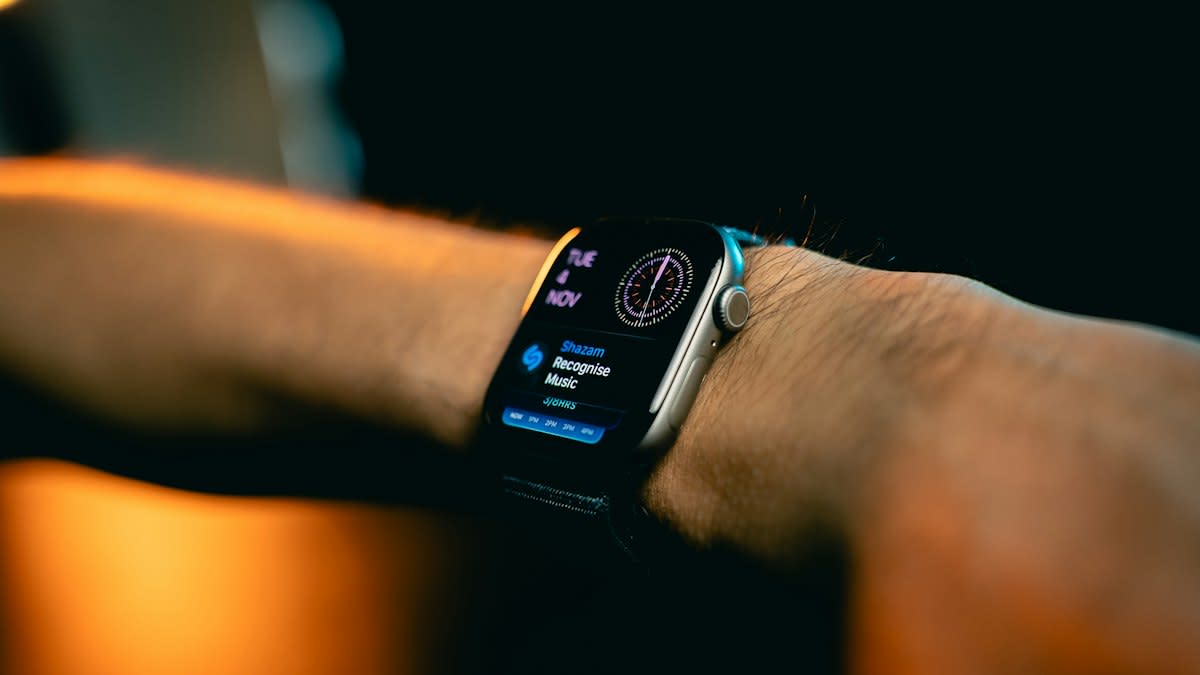
Real estate is failing. This represents a structural break in how we value medical buildings. For a century, the size of a hospital was a proxy for its power and capacity. That metric is now irrelevant. The power now resides in the cloud. When the most critical monitoring happens on a server in Virginia rather than a ward in London, the physical footprint of the hospital becomes a liability. It is a drain on resources. The maintenance of these massive concrete shells is eating into the budgets that should be spent on actual care. The building is the burden.
The industry is making a hard turn. We are seeing the rise of 'Hospital-at-Home' programs in Singapore and the US, where acute care is delivered in the bedroom using a suite of clinical wearables and visiting nurses (Source: New England Journal of Medicine, 2020). This is not a trend. It is a fundamental redesign. By removing the walls, providers can treat more patients with fewer beds and lower risks of hospital-acquired infections. The results are superior. Patients recover faster in their own environments. The clinical outcome is the driver.

The old playbook is dead. Admitting a patient just to 'keep an eye on them' is a financial failure. In a world of continuous telemetry, the only reason to occupy a bed is for a procedure that cannot be done elsewhere. Everything else is noise. The market is adjusting. Insurance companies are already pushing for remote-first reimbursement models because they refuse to pay for an expensive bed when a $100 sensor does the job. The money is moving. Those who cling to the bed-day model will go bankrupt. The transition is inevitable.
Survival requires adaptation. Only the platforms with genuine staying power will survive the coming consolidation. This means moving away from simple data collection toward actionable intelligence. A heart rate is not a diagnosis. We need systems that can predict a crash three hours before it happens, not systems that just beep when it occurs. The intelligence is the value. The hardware is just the pipe. The winner will be the one who solves the alarm fatigue. The human element remains critical.
Fact-Check & Accuracy Note
The claims regarding readmission reductions (25%) are based on meta-analyses of heart failure patients using RPM. However, academic debate continues regarding whether these gains are due to the technology itself or the increased frequency of human interaction inherent in remote monitoring programs.