Trump addresses Bessent-Lutnick rift amid Nvidia-China chip row, rules out firing Commerce Secretary
Source Entity
Latest News: Todays Latest News Headlines from India & World | Hindustan Times
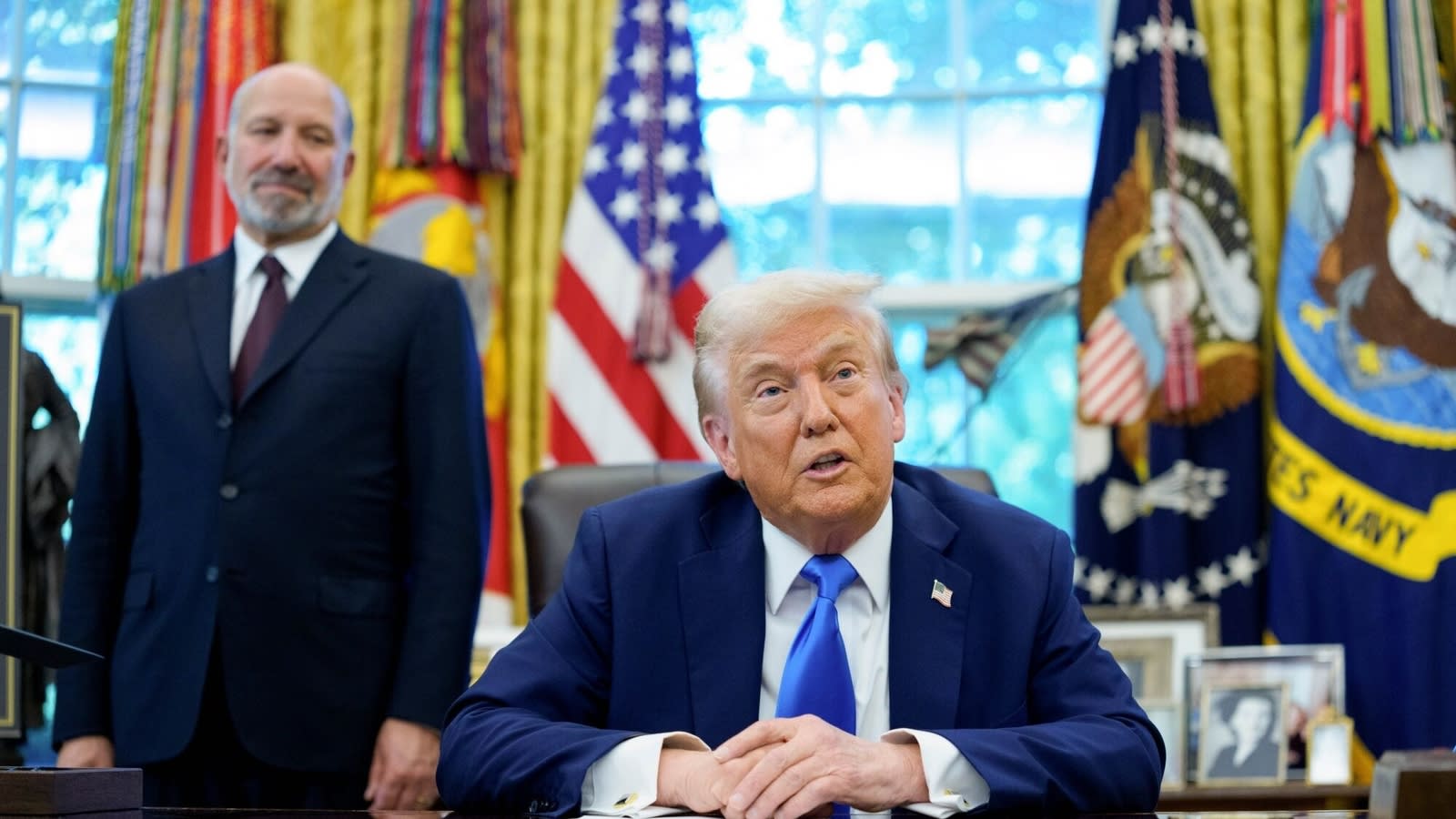
Jensen Huang has resigned as Nvidia CEO following personal scandals involving alleged ties to Chinese intelligence. President Trump has signaled openness to his potential return, even as his administration navigates internal conflicts over chip export restrictions to China.
The Resignation and Strategic Fallout
The sudden departure of Jensen Huang from his role as CEO of Nvidia marks a watershed moment for the global semiconductor industry. Huang’s resignation, precipitated by revelations of personal impropriety, has sent shockwaves through Silicon Valley. Specifically, reports of extramarital relationships—most notably with a businesswoman allegedly linked to Chinese intelligence—have triggered intense scrutiny regarding national security. By admitting to “serious mistakes,” Huang has opened a complex dialogue about the intersection of corporate leadership, personal conduct, and geopolitical vulnerability.
The Geopolitical Tightrope
The situation is further complicated by the broader friction within the Trump administration regarding technology exports. President Trump has acknowledged a rift between Treasury Secretary Scott Bessent and Commerce Secretary Howard Lutnick over the strategy for managing China-bound chip exports. At the heart of this tension is the company 'Megaspeed,' a Singapore-based entity currently under congressional investigation for its suspected role in diverting advanced Nvidia AI chips to China. This dispute highlights the difficulty of maintaining a technological edge while balancing economic relationships with Beijing.
Leadership and the 'War Room' Strategy
Following his resignation, reports suggest that Huang has not retreated from the public eye. Instead, he has reportedly assembled a 'war room' of influential Silicon Valley executives to lobby for his reinstatement. This aggressive push to reclaim the helm of one of the world's most valuable companies underscores the unique position Huang holds in the AI hardware ecosystem. His public declaration that he would return if the board deems it in the interest of the company, employees, and the United States serves as a calculated attempt to reframe his personal scandal as a resolved learning experience.
Political Perspectives on Reinstatement
President Trump’s recent comments offer a surprising lifeline to the former CEO. By stating that he would “not mind” a return for Huang and explicitly noting that the executive has “learned a big lesson,” the President has signaled a potential path for rehabilitation. However, this stance exists in a volatile political environment where the administration is under increasing pressure to explain why restrictions on companies like Megaspeed were delayed. The President’s willingness to entertain Huang’s return suggests a preference for continuity in leadership, even as he navigates the complex optics of a leader previously linked to intelligence-related controversies.
Future Implications for Nvidia
The future of Nvidia remains in a state of flux as the board of directors weighs the benefits of Huang’s proven track record against the reputational risks associated with his personal history. The ongoing congressional scrutiny into the Commerce Department’s export control processes adds a layer of regulatory risk that could hinder any potential comeback. As the administration balances its internal Cabinet rifts with the necessity of maintaining a dominant position in artificial intelligence hardware, the saga of Jensen Huang serves as a case study in how personal conduct can quickly become a matter of national security and international policy.
Multiple Citing Sources
Verification Required?