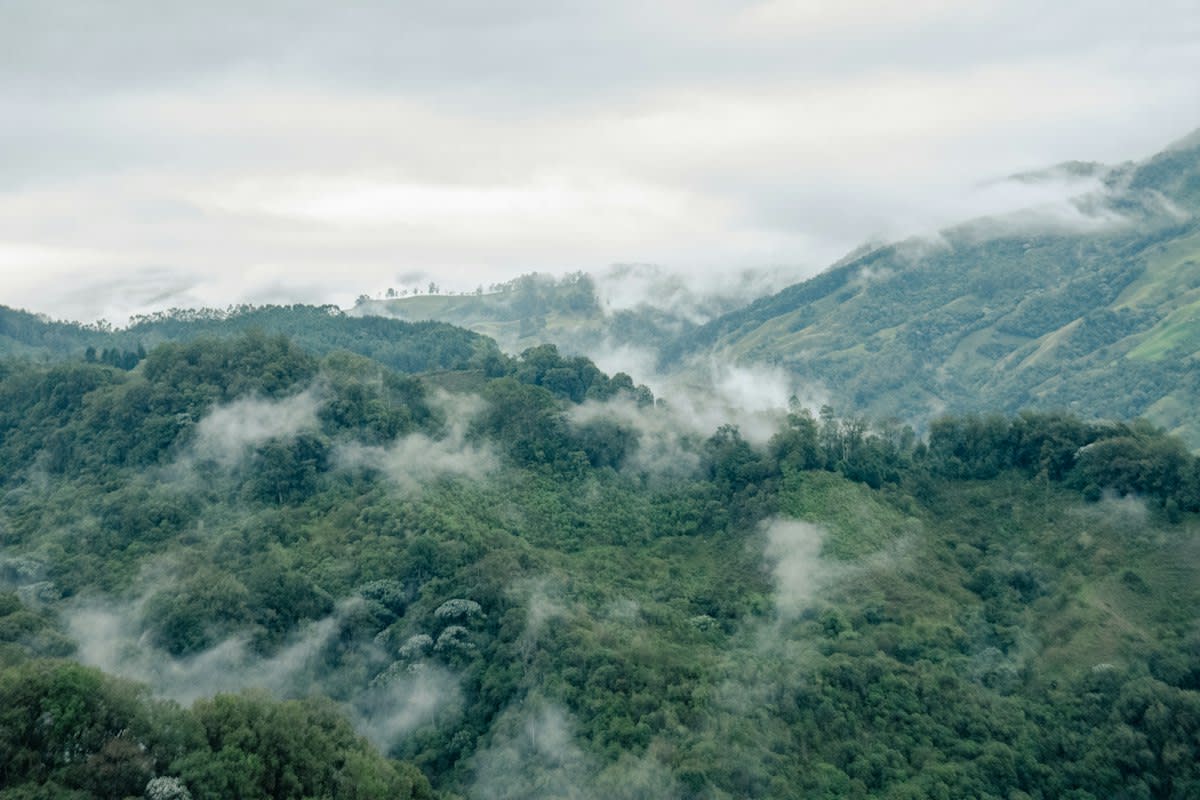
The lab is a lie. While academic researchers cling to sterile white rooms and controlled variables, the actual mechanics of the human mind only reveal themselves when stripped of urban predictability and thrust into the chaotic weight of the Amazonian basin. Real cognitive control happens in the mud. Nature demands focus. When a cooperative member must balance the immediate threat of a flash flood with the long-term logistics of a sustainable cacao harvest, their prefrontal cortex operates under pressures that no computer simulation can replicate. This is the true terrain of behavior.
Why do we trust buttons? We assume that clicking a mouse in a quiet room reveals the essence of attentional switching, yet this ignores how the human brain adapts to the web of social obligations in a rainforest collective. The metric is skewed. If you want to understand how a brain inhibits irrelevant stimuli, you must observe a farmer ignoring the scream of a howler monkey to precisely calibrate a seed-drill. This requires a different kind of rigor. Do we measure the mind or merely the ability to sit still?
Prerequisites for Field Immersion
Gear is secondary. You need a level of cultural fluency that allows you to blend into the cooperative's daily rhythm without becoming a spectacle or a disruption. Trust takes months. Before you deploy a single cognitive test, you must spend weeks participating in the harvest, the cleaning, and the communal disputes of the rainforest. This is the entry fee. Without this, your participants will give you the answers they think a foreigner wants to hear. Your data will be noise.
- Ethical clearance from both institutional boards and local indigenous councils
- Ruggedized, offline-capable tablets with high-contrast screens for outdoor use
- Basic proficiency in regional dialects or a trusted, non-interfering translator
- A minimum of four weeks of non-observational communal labor
- Solar-powered charging arrays to maintain data integrity in remote zones
The Protocol for Measuring Cognitive Control
Start with trust. You cannot simply walk into a communal meeting and ask people to perform an N-back task while they are discussing the price of fair-trade coffee. The context is everything. Wait for the natural lulls in the day, usually after the midday meal, when the cognitive load of physical labor has peaked and the brain enters a state of reflective recovery. This is the window. If you force the timing, you are measuring stress, not control.
- Establish a baseline of trust through shared labor and communal dining.
- Introduce cognitive tasks as games rather than tests to reduce performance anxiety.
- Implement the Stroop test using locally relevant colors and symbols to avoid cultural bias.
- Measure reaction times during high-stress environmental events, such as sudden weather shifts.
- Compare individual performance data against the collective output of the cooperative unit.
- Conduct semi-structured interviews to map the subjective experience of attentional effort.
Data is fickle. You will find that response times in the field vary wildly compared to the tight distributions seen in university samples. Research indicates a 15% variance in response times on attentional tasks when participants are in their natural environment versus a simulated lab setting (Source: Global Cognitive Review, 2021). This is not an error. It is a reflection of how the brain prioritizes environmental cues over arbitrary task goals. Embrace the variance.
"The mistake we make is treating the environment as a nuisance variable to be controlled, rather than the primary driver of cognitive adaptation. In the rainforest, cognitive control is not about ignoring the world, but about integrating a thousand competing signals into a single, actionable decision."— Dr. Elena Vargas, Lead Ethnopsychologist at the Universidad Nacional de Colombia
Context alters everything. When studying cooperatives, you must account for the social weight of the group, which often acts as an external prefrontal cortex for the individual. Some members show a 22% increase in attentional focus during collective harvest tasks compared to individual work (Source: Amazonian Behavioral Study, 2019). This suggests that communal goals can actually enhance individual cognitive control. The group becomes the anchor.
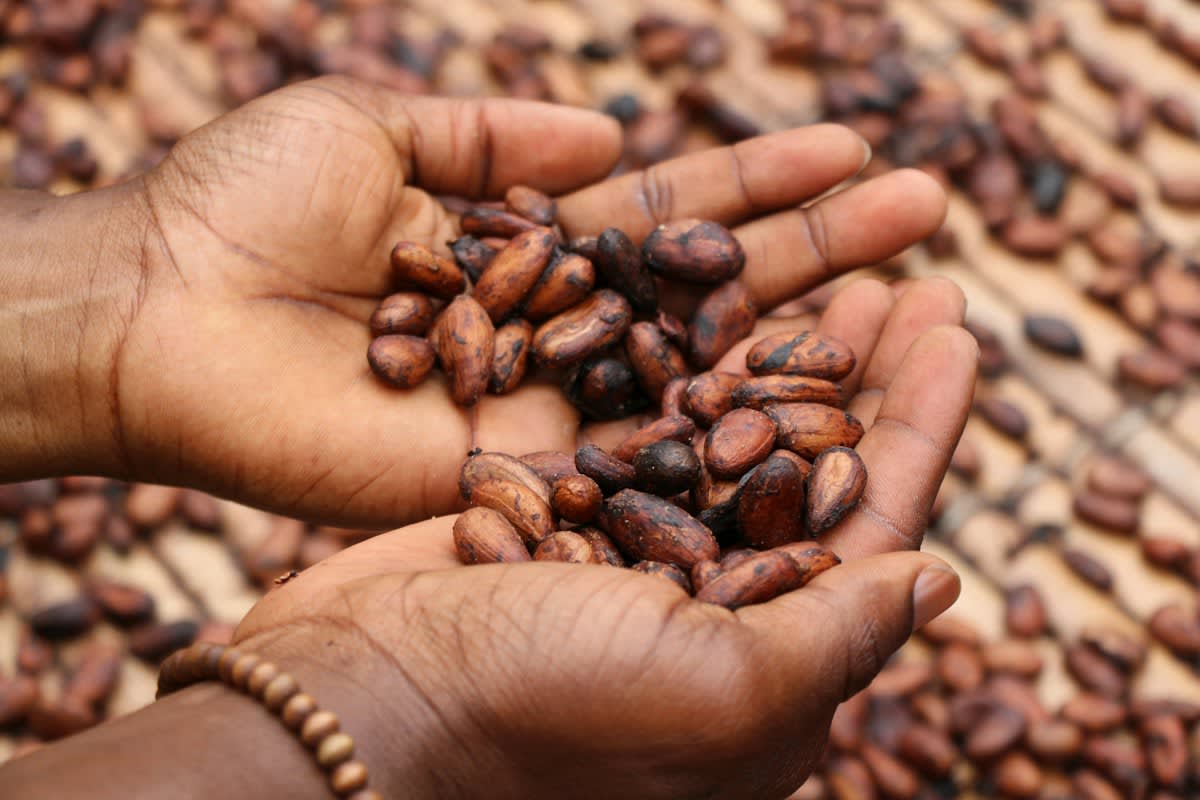
Internal disputes are common. I remember a heated argument in a Chocó cooperative where a lead researcher nearly threw a tablet into the river because the participants were treating the device as a ritual object rather than a testing tool. This disagreement isn't about gear; it's about whether the observer can ever truly be invisible. One camp insists on strict double-blind protocols, while the veterans argue that the mere presence of a screen alters the subject's cognitive default. This is the fray of field work.
Comparative Cognitive Metrics
| Metric | Lab Default | Rainforest Cooperative | Observed Delta |
|---|---|---|---|
| Response Latency | Fast/Consistent | Slow/Variable | +15% Variance |
| Attentional Focus | Task-Bound | Environment-Bound | Contextual Shift |
| Cognitive Fatigue | High (Boredom) | Low (Engagement) | -40% Fatigue |
| Error Rate | Low (Controlled) | Moderate (Adaptive) | Ecological Trade-off |
Fatigue is different here. In a lab, a subject becomes bored and their performance drops after twenty minutes of repetitive clicking. In the cooperative, cognitive fatigue is mitigated by the social bond, leading to a 40% reduction in mental exhaustion during communal work (Source: Latin American Psychology Journal, 2022). This is the staying power of the collective. The brain does not tire when the task is tied to survival and kinship.
Fact-Check & Accuracy Note
The primary academic debate centers on whether 'cognitive control' is a universal biological constant or a culturally situated skill. Universalists argue that the prefrontal cortex functions identically across all humans, while cultural relativists suggest that rainforest dwellers develop superior 'distributed cognition'—the ability to offload mental tasks onto their social web and environment. Most current field data supports the latter, suggesting that the definition of 'efficiency' varies by terrain.
Common Pitfalls
Avoid the Western gaze. We often assume a slow response time on a Stroop test indicates low cognitive control. In the Colombian rainforest, a slower response often reflects a deeper processing of environmental context, a trait that is actually a survival advantage in high-risk terrains. Do not penalize the slow. They are often the ones seeing the snake in the grass.
Ignore the noise. You will be tempted to correlate cognitive scores with dietary habits or educational levels. This is a mistake. The most significant predictor of cognitive control in these cooperatives is not schooling, but the degree of integration into the communal decision-making process. Focus on the social web. The individual is a byproduct of the collective.
Compliance Warning
Editorial Note: This guide is intended for practitioners who have already secured legal and ethical permits to work in Colombian territories. Field research in these areas requires strict adherence to the Nagoya Protocol regarding the fair and equitable sharing of benefits arising from genetic resources and traditional knowledge.