The End of the Photosynthetic Monopoly
For decades, the biological playbook was simple: sunlight hits a leaf or a plankton, water splits, and oxygen is released. This process fueled the Great Oxidation Event and paved the way for complex aerobic life. We viewed the deep ocean as a passive consumer, a dark sink where oxygen drifted down from the surface like falling snow. But the discovery of dark oxygen in the Clarion-Clipperton Zone (CCZ) flips this narrative on its head. Oxygen is being produced four thousand meters below the surface, in total darkness, without a single chloroplast in sight. It is not a biological byproduct; it is a geological one.
Why does this matter? Because it suggests that the oxygenation of our planet was not solely the work of early cyanobacteria. If minerals can generate oxygen through seawater electrolysis, the prerequisite for complex life becomes far less restrictive. We are no longer looking at a world where life is tethered to the sun. Instead, we face a reality where the very crust of the Earth acts as a life-support system. This is not a localized anomaly. It is a systemic revelation about planetary energetics that challenges the fundamental tenets of evolutionary biology.
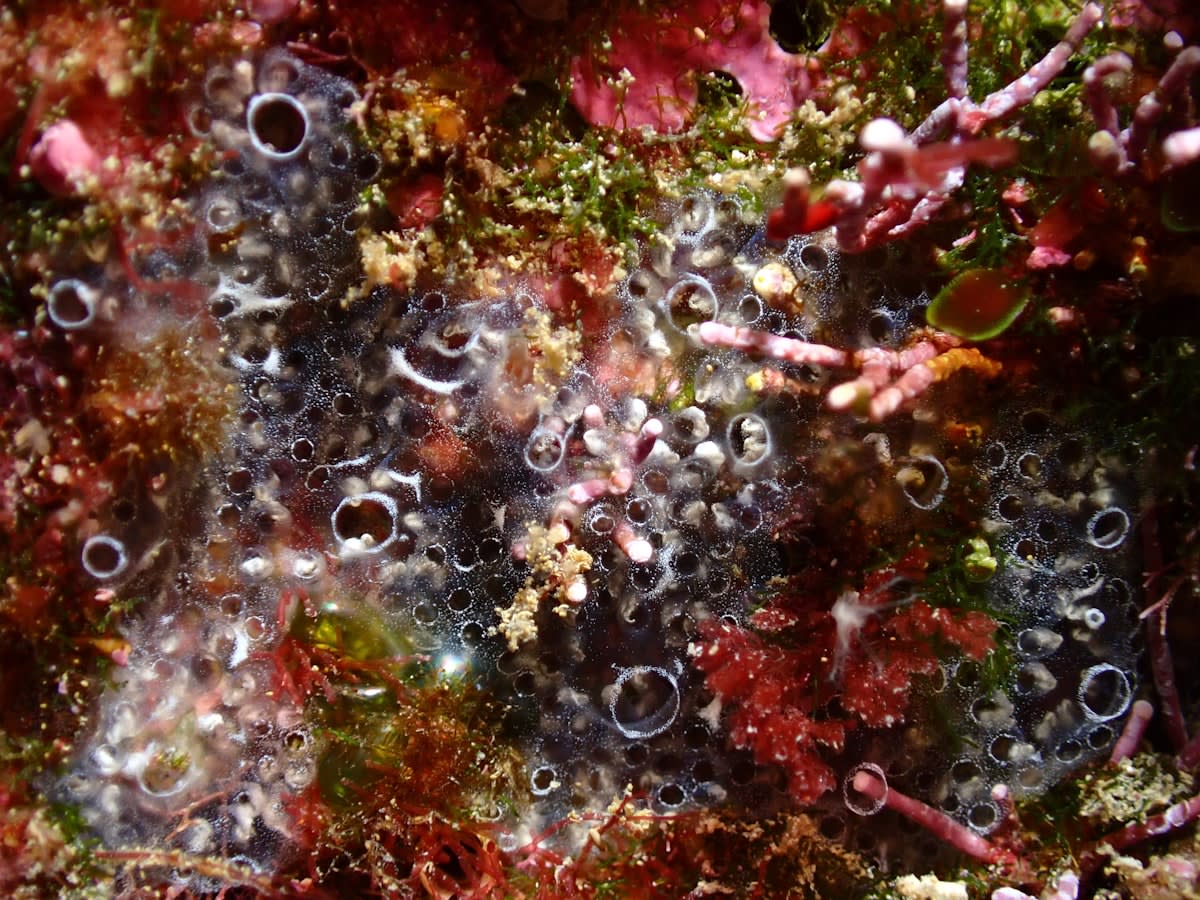
The mechanism is as elegant as it is shocking. Polymetallic nodules—potato-sized lumps of manganese, nickel, and cobalt—act as natural geobatteries. These nodules carry an electric charge. When the voltage reaches a critical threshold of 1.5 volts, it triggers the electrolysis of seawater, splitting H2O into hydrogen and oxygen. This isn't a slow leak; it is a consistent production of a gas we thought required the energy of a star. The ocean floor is effectively breathing on its own.
"The discovery of dark oxygen forces us to question whether the spark of aerobic life required the sun, or if the earth provided its own electric jumpstart."— Strategic Analysis of Abyssal Energetics
This discovery shifts the conversation from biology to electrochemistry. If we accept that the seabed can generate its own oxygen, we must reconsider the habitability of other worlds. The icy moons of Jupiter and Saturn, like Europa and Enceladus, possess salty oceans and metallic cores. If the same geobattery effect occurs there, oxygen could be abundant in the dark depths of an alien ocean. The search for extraterrestrial life just expanded its parameters. We are no longer searching for 'Goldilocks zones' defined by distance from a sun, but by the chemical composition of a planet's crust.
The Physics of Dark Oxygen
The geobattery effect occurs when the voltage potential between the nodule's surface and the surrounding seawater reaches approximately 1.5V, sufficient to trigger the splitting of water molecules.
But the scientific wonder is quickly colliding with industrial ambition. The same nodules that produce this oxygen are the primary targets for deep-sea mining. These minerals are essential for the transition to green energy—cobalt for batteries, nickel for EVs. Here lies the paradox: to save the atmosphere from carbon, we may destroy the very mechanism that oxygenates the deep ocean. We are trading one ecological pillar for another.
The Industrial Collision Course
The Clarion-Clipperton Zone, spanning five thousand kilometers across the Pacific, is the epicenter of this tension. Mining companies view the CCZ as a treasure chest of critical minerals. However, the dark oxygen discovery suggests the CCZ is not just a mineral deposit, but a living respiratory organ for the deep sea. Removing these nodules doesn't just displace sediment; it shuts off the oxygen supply for an entire ecosystem of abyssal organisms that we are only beginning to understand.
| Feature | Photosynthetic Oxygen | Dark Oxygen |
|---|---|---|
| Primary Energy Source | Solar Radiation | Mineral Electrochemistry |
| Depth Range | 0 to 200 meters (Photic Zone) | 4,000+ meters (Abyssal Plain) |
| Biological Driver | Chlorophyll-bearing organisms | Polymetallic Manganese Nodules |
| Systemic Role | Global atmospheric oxygenation | Localized benthic aerobic support |
| Vulnerability | Temperature/Light shifts | Physical removal of minerals |
Is the risk of extinction worth the reward of a faster EV transition? This is the question facing the International Seabed Authority. The conventional wisdom was that the deep sea was a desert, a place of slow metabolism and low impact. Dark oxygen proves the opposite. It reveals a high-energy chemical environment. The removal of these nodules would be akin to removing the lungs from a city and expecting the residents to survive on the leftover air.
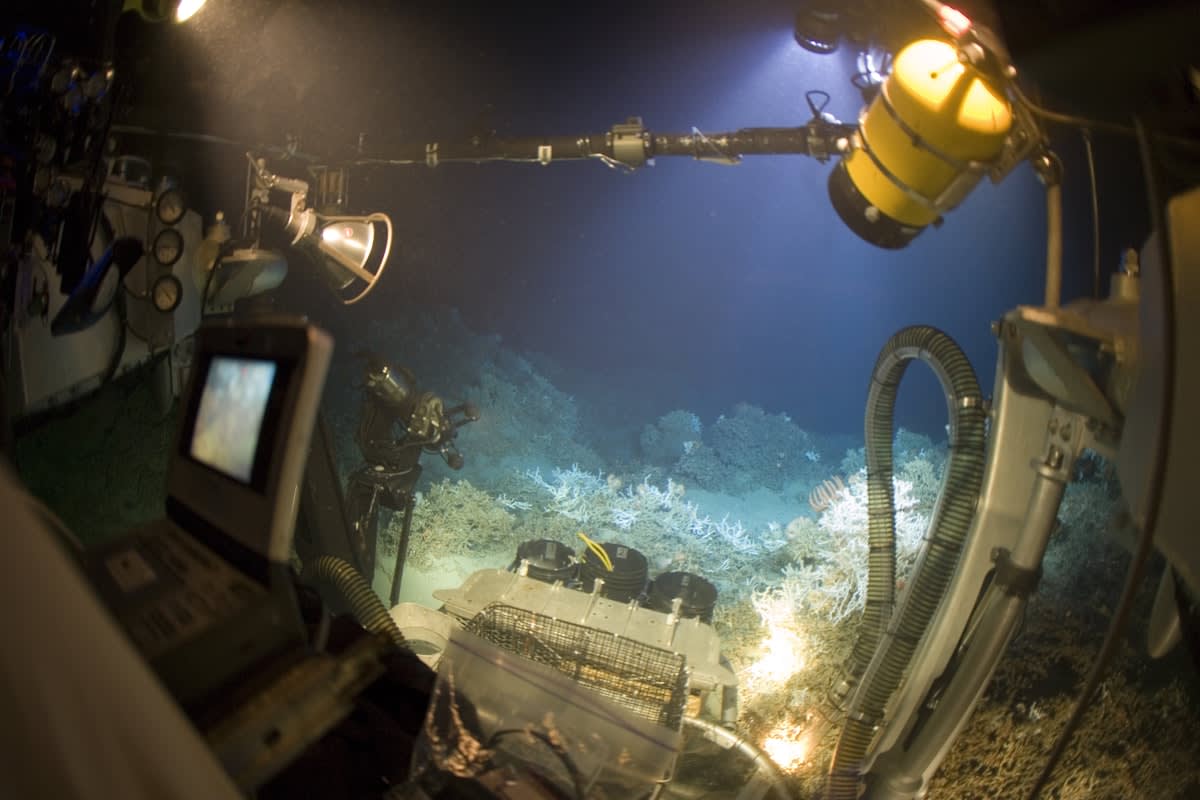
Critics of the mining ban argue that we cannot solve the climate crisis without these minerals. They suggest that the impact is localized and that the ocean's vastness will absorb the shock. But this ignores the systemic nature of the discovery. If dark oxygen is a global phenomenon, then the abyssal plain is not a collection of isolated patches, but a networked system of electric nodes. Breaking these nodes could trigger a cascade of collapse across the deep-sea food web.
We must stop viewing the ocean floor as a warehouse of raw materials. It is a laboratory of planetary survival. The discovery of dark oxygen is a warning: our understanding of the Earth is still profoundly incomplete. Every time we assume we have mapped the boundaries of life, the planet reveals a new loophole. The geobattery is the latest evidence that nature does not follow our textbooks.
A New Planetary Energetics
Looking forward, the dark oxygen paradox forces a pivot in how we define 'habitable.' For years, the search for life focused on the presence of liquid water and a nearby star. Now, we must include the potential for geological electrolysis. This expands the target list for astrobiology significantly. We are no longer looking for a mirror of Earth's surface, but for the electric potential of planetary interiors.
The real opportunity here is not in the minerals we can extract, but in the chemistry we can learn. If we can replicate the geobattery effect on a larger scale, could we develop new ways to generate oxygen for long-term space missions or underwater habitats without relying on massive energy inputs? The ocean floor is offering us a masterclass in sustainable, passive oxygen production.
Ultimately, the dark oxygen paradox is a lesson in humility. It reminds us that the most critical systems on our planet are often the ones we cannot see. The deep ocean is not a void; it is a powerhouse. Whether we choose to harness its knowledge or harvest its minerals will determine the resilience of the global biosphere for the next millennium. The choice is not between the environment and the economy, but between a shallow understanding of nature and a strategic alignment with its deepest secrets.