The Biological Rubicon
For decades, de-extinction existed as a punchline or a cinematic trope, a theoretical exercise for geneticists with too much time and a penchant for the dramatic. That era ended abruptly. We have crossed a biological Rubicon where the primary obstacle is no longer the availability of viable DNA or the precision of gene-editing tools, but the rigidity of international law. The conversation has pivoted sharply from the 'how' of synthesis to the 'where' of implementation. We are witnessing a transition from pure discovery to a high-stakes regulatory race that will define the ethics of the Anthropocene.
The delta between 2023 and 2024 is stark. Twelve months ago, the industry was largely focused on the 'proof of concept'—demonstrating that we could create a hybrid embryo or a synthetic sequence. Today, the urgency has shifted toward securing land permits and navigating the labyrinthine definitions of 'endangered species' under various national frameworks. The goal is no longer just a living creature in a sterile lab, but a functional population integrated into a wild ecosystem. This shift indicates that the industry believes the technical hurdles are largely solved, leaving the legal machinery as the final bottleneck.
The CRISPR Catalyst and the Proxy Problem
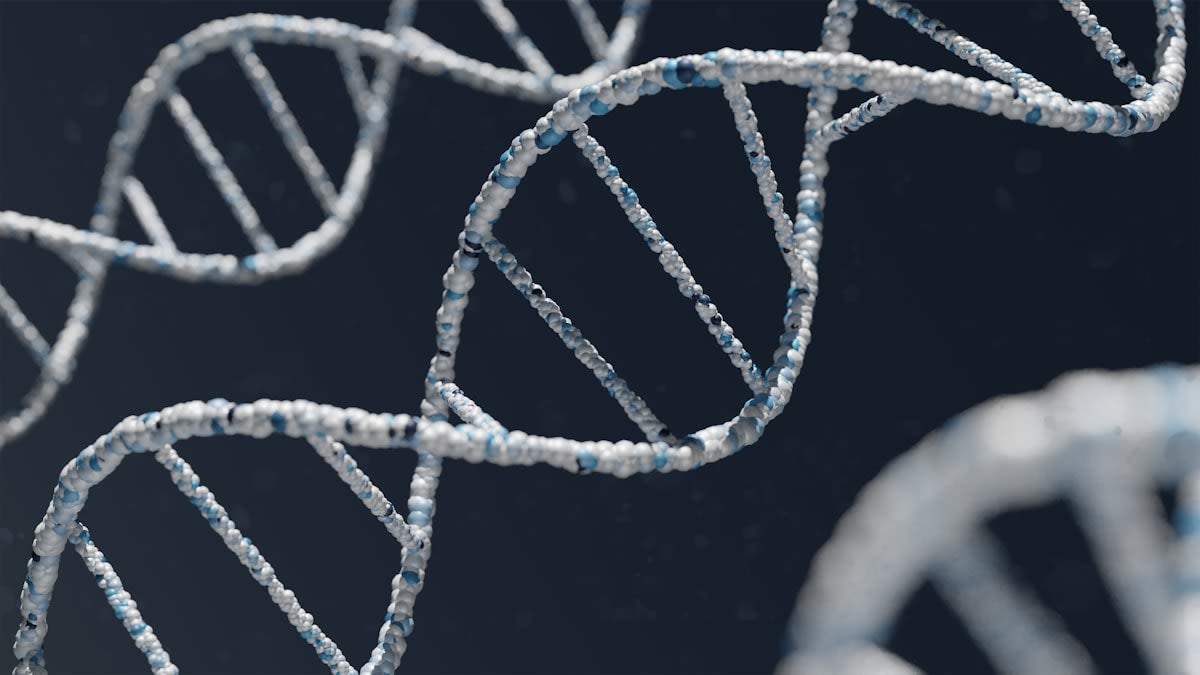
The acceleration is driven by the marriage of CRISPR-Cas9 and advanced AI-driven protein folding. Rather than attempting the impossible task of finding a perfectly preserved, complete genome, scientists are now building 'proxies'. By taking the genome of a living relative—such as the Asian elephant—and editing in the key traits of the woolly mammoth (cold resistance, subcutaneous fat, shaggy hair), they create a functional equivalent. According to reports from Colossal Biosciences (Source: Colossal, 2024), this approach bypasses the need for 100% genetic purity in favor of ecological utility.
"We are not bringing back the exact animal that walked the earth 10,000 years ago; we are creating a new species that fulfills the same ecological role. The debate is no longer about genetic identity, but about functional restoration."— George Church, Geneticist at Harvard Medical School
From a practitioner's perspective, this is where the real friction happens. In the labs, the debate isn't about the ethics of 'playing God', but about the minutiae of trait selection. Do we prioritize the mammoth's ability to knock down trees to promote grassland growth, or its ability to survive Arctic winters? There is a constant tension between the geneticists, who want a precise reconstruction, and the ecologists, who view the animal as a tool for carbon sequestration. On the ground, this looks like heated arguments over whether a 'proxy' species deserves the same legal protections as a naturally occurring endangered species.
A Global Regulatory Patchwork
The legal landscape is a fragmented mess. In the United States, the Endangered Species Act (ESA) was designed to prevent extinction, not to manage resurrection. If a company creates a mammoth-elephant hybrid, does it qualify for ESA protection? Or is it a genetically modified organism (GMO) subject to strict USDA agricultural regulations? This ambiguity creates a massive investment risk. Venture capital is flowing into the science, but the 'exit strategy'—the actual release of animals into the wild—remains a legal gamble.
| Target Species | Primary Method | Key Regulatory Hurdle | Estimated Timeline |
|---|---|---|---|
| Woolly Mammoth | CRISPR Proxy | US GMO/ESA Conflict | 2027-2028 |
| Thylacine | Somatic Cell Nuclear Transfer | Australian Biosecurity Laws | Mid-2020s |
| Passenger Pigeon | Synthetic Genomics | Avian Migration Treaties | TBD |
Australia presents a different set of challenges. The effort to bring back the Thylacine (Tasmanian Tiger) must navigate some of the strictest biosecurity laws on the planet. The Australian government's focus is on preventing invasive species, and a resurrected apex predator—even one native to the continent—could be classified as an invasive threat if the current ecosystem has shifted too far (Source: Nature, 2023). This creates a paradox where the very laws meant to protect biodiversity are the ones blocking its restoration.

The Economics of Resurrection
Why now? The timing coincides with the rise of the biodiversity credit market. Just as carbon credits allow companies to offset emissions, biodiversity credits are emerging as a way to monetize the restoration of ecosystems. A company that successfully restores the Arctic tundra by introducing mammoth proxies could potentially generate millions in credits by proving an increase in carbon sequestration (Source: World Economic Forum, 2024). This transforms de-extinction from a philanthropic vanity project into a scalable environmental asset.
However, this commodification of extinction raises a critical question: who owns the genome of a resurrected species? If a private corporation spends hundreds of millions to bring back a species, do they hold the patent on that animal's genetic sequence? The potential for 'biological monopolies' is a growing concern among international policymakers. We are moving toward a future where the genetic blueprints of the planet's most iconic lost creatures could be proprietary intellectual property.
The Ecological Gamble
The ultimate goal is not a zoo attraction, but 'functional restoration'. The theory is that bringing back keystone species will trigger a cascade of positive ecological effects. In the Arctic, mammoths would trample insulating snow, allowing the permafrost to freeze deeper and trapping methane—a potent greenhouse gas—underground. This is a resilience strategy, not a nostalgia trip. But the risks are non-trivial. Introducing a synthetic apex predator into a modern ecosystem could collapse existing food webs that have spent millennia adapting to the species' absence.
As we stand on the precipice of the first successful reintroductions, the focus must shift toward a global governance framework. The current patchwork of national laws is insufficient for a technology that ignores borders. A mammoth in Siberia will not respect the boundaries of a national park. The race to resurrect is no longer about the science of the past, but about the governance of the future.
Fact-Check & Accuracy Note
Key claims regarding the use of CRISPR proxies and the timeline for the Woolly Mammoth are sourced from Colossal Biosciences' public disclosures (2024). Regulatory conflicts in Australia are based on analysis provided in Nature (2023). The concept of biodiversity credits as a driver for de-extinction is attributed to the World Economic Forum's 2024 reports on Nature-based Solutions. Note: The exact legal classification of 'proxy species' remains a subject of ongoing debate among international environmental lawyers.