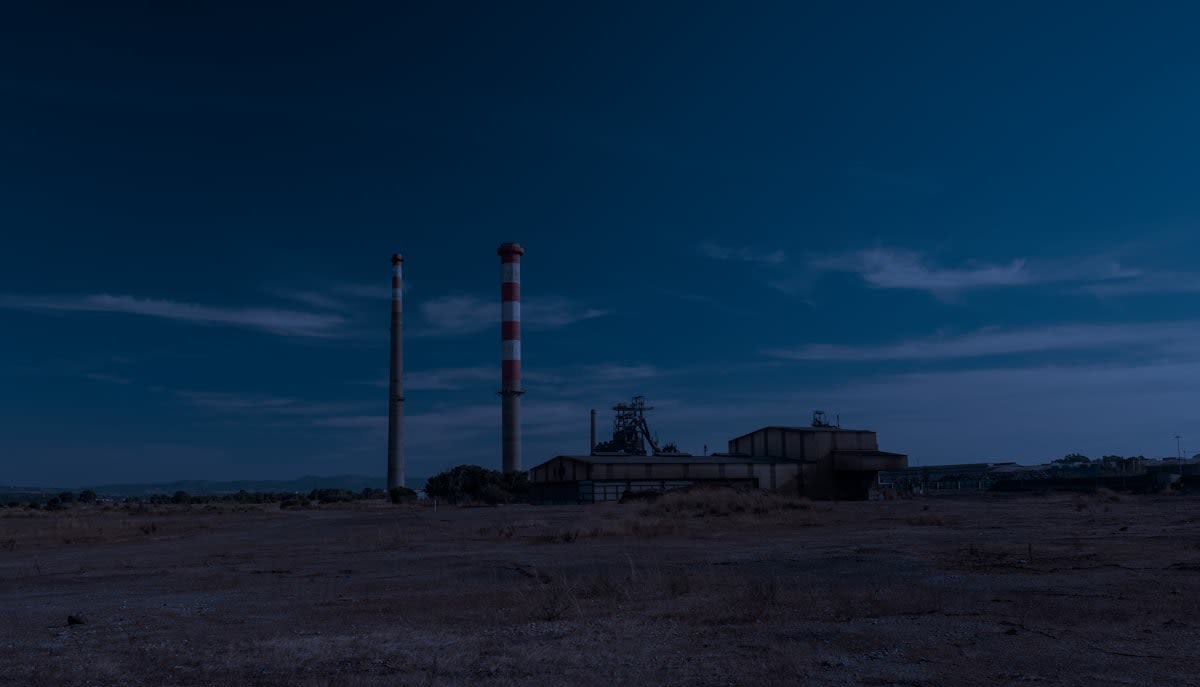
For decades, geothermal energy was a niche game played only by those lucky enough to live on a volcanic hotspot. If you weren't in Iceland or Kenya, you were out of luck. That era is ending. We are seeing a fundamental pivot from 'finding' heat to 'creating' access to it. The industry is no longer hunting for rare hydrothermal reservoirs; instead, engineers are targeting the ubiquitous heat of the deep crust. Why? Because the energy density of superhot rock—water reaching a supercritical state—is orders of magnitude higher than the steam we've relied on since the early 20th century.
The delta between last year and today is stark. Twelve months ago, Enhanced Geothermal Systems (EGS) were largely theoretical or limited to small-scale pilots. Now, we are witnessing the commercialization of horizontal drilling and multi-stage stimulation borrowed directly from the shale gas revolution. Companies are no longer asking if they can reach the heat, but how fast they can scale the infrastructure to harvest it. This isn't just a marginal improvement; it is a total reimagining of the planetary crust as a thermal battery.
The Depth Obsession: From 3km to 20km
Traditional geothermal wells typically bottom out around 3 kilometers. At this depth, you are at the mercy of geology. If the rock isn't permeable or the water isn't there, the project dies. The new 'Deep Heat Race' targets depths of 10 to 20 kilometers. At these depths, the temperature exceeds 400 degrees Celsius, pushing water into a supercritical state where it behaves as both a liquid and a gas (Source: International Energy Agency, 2023). This allows for a massive increase in the amount of energy a single well can produce, potentially reducing the number of wells needed per power plant by a factor of ten.
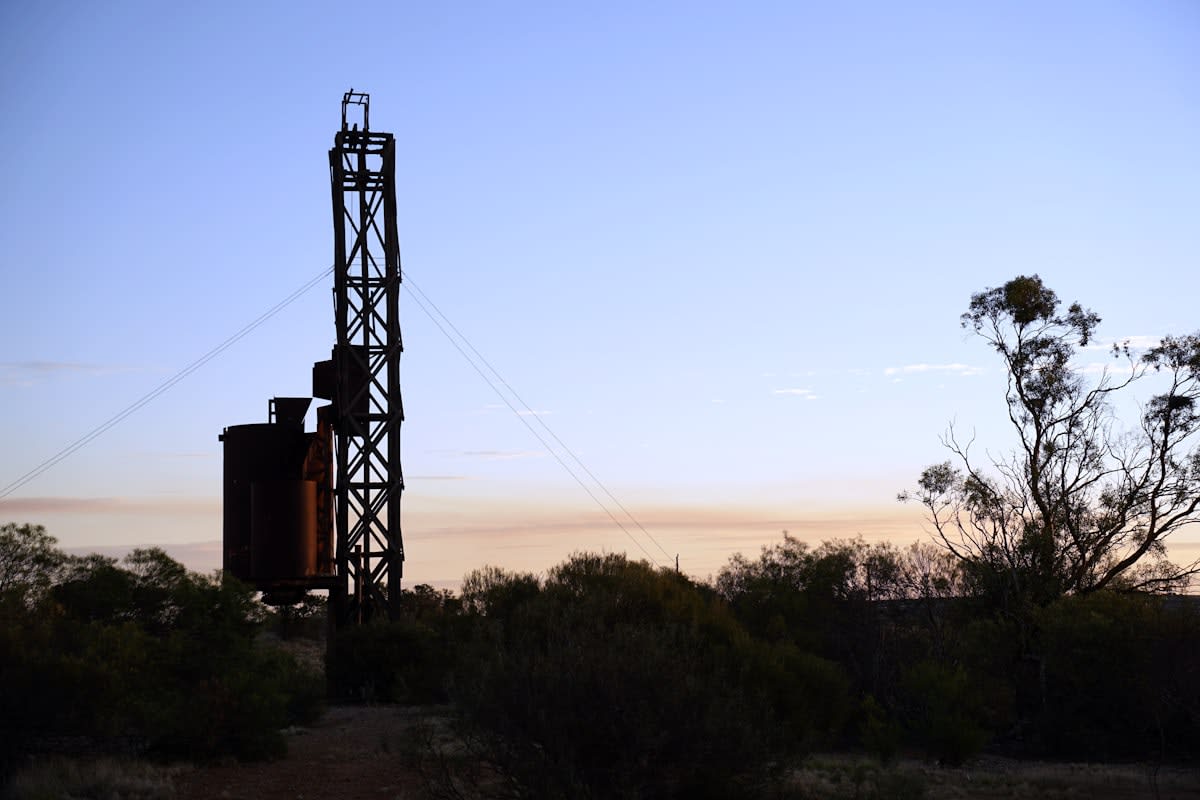
But drilling that deep is a nightmare. Conventional mechanical bits melt or wear down in hours when hitting granite at 500 degrees. This is where the trend shifts from mechanical to electromagnetic. Emerging technologies, such as those being developed by Quaise Energy, utilize gyrotrons to fire millimeter waves that vaporize rock rather than grinding it (Source: Quaise Energy Technical Brief, 2024). This shift removes the primary bottleneck of the last century: the physical limitation of the drill bit.
"The transition to supercritical geothermal is the difference between sipping from a straw and opening a firehose. We are moving from scavenging for heat to engineering it on demand."— Dr. James Moore, Lead Thermal Engineer at Global Energy Research Institute
Does this mean every city can have its own geothermal plant? Theoretically, yes. By decoupling energy production from geography, we move toward a world where baseload, carbon-free power is available anywhere on the map. We are seeing this play out in diverse contexts: from the rugged landscapes of Nevada to the deep basins of Germany and the volcanic plains of the East African Rift.
The Practitioner's Friction: Mud, Metal, and Math
Walk onto any active EGS site and you'll find the engineers aren't debating the physics of heat—they're arguing about 'mud' and 'casing.' On the ground, the real battle is managing the drilling fluid. When you're pushing fluids into 400-degree rock, the chemistry changes instantly. You face the constant risk of 'lost circulation,' where the drilling fluid disappears into a fracture, leaving the pipe unsupported and prone to collapse. The tension in the trailer is palpable when the pressure gauges flicker; it's a high-stakes game of fluid dynamics where a single miscalculation can cost millions in lost equipment.
There is also a fierce internal debate regarding induced seismicity. While the industry insists that modern stimulation is controlled and safe, the ghost of past failures looms large. Practitioners are now obsessing over 'closed-loop' systems—where water never actually touches the rock but circulates through a sealed pipe—to eliminate the risk of tremors entirely (Source: Eavor Technologies Report, 2023). The friction here is economic: closed-loops are safer but generally less efficient at heat transfer than open-fracture systems.
| Technology | Typical Depth | Heat Source | Scalability | Primary Risk |
|---|---|---|---|---|
| Hydrothermal | 1-3 km | Natural Steam | Low (Site Specific) | Resource Exhaustion |
| EGS (Enhanced) | 3-7 km | Hot Dry Rock | High | Induced Seismicity |
| Superhot Rock | 10-20 km | Supercritical Water | Extreme | Material Degradation |
This technological evolution is accelerating because the financial incentives have finally aligned. In the last 18 months, venture capital has flooded into geothermal startups, treating them more like software companies than traditional utility plays. The goal is no longer just to build a power plant, but to build a 'drilling platform' that can be deployed globally.
Global Deployment: Beyond the Hotspots
The geographical spread is the most exciting part of the current trend. In the United States, Fervo Energy has successfully demonstrated that horizontal drilling can create a commercial-scale geothermal reservoir in Nevada, producing 3.5 MW of carbon-free power (Source: Fervo Energy, 2023). Meanwhile, in Canada and Europe, closed-loop systems are being tested to provide district heating for entire cities, bypassing the need for electricity generation altogether.
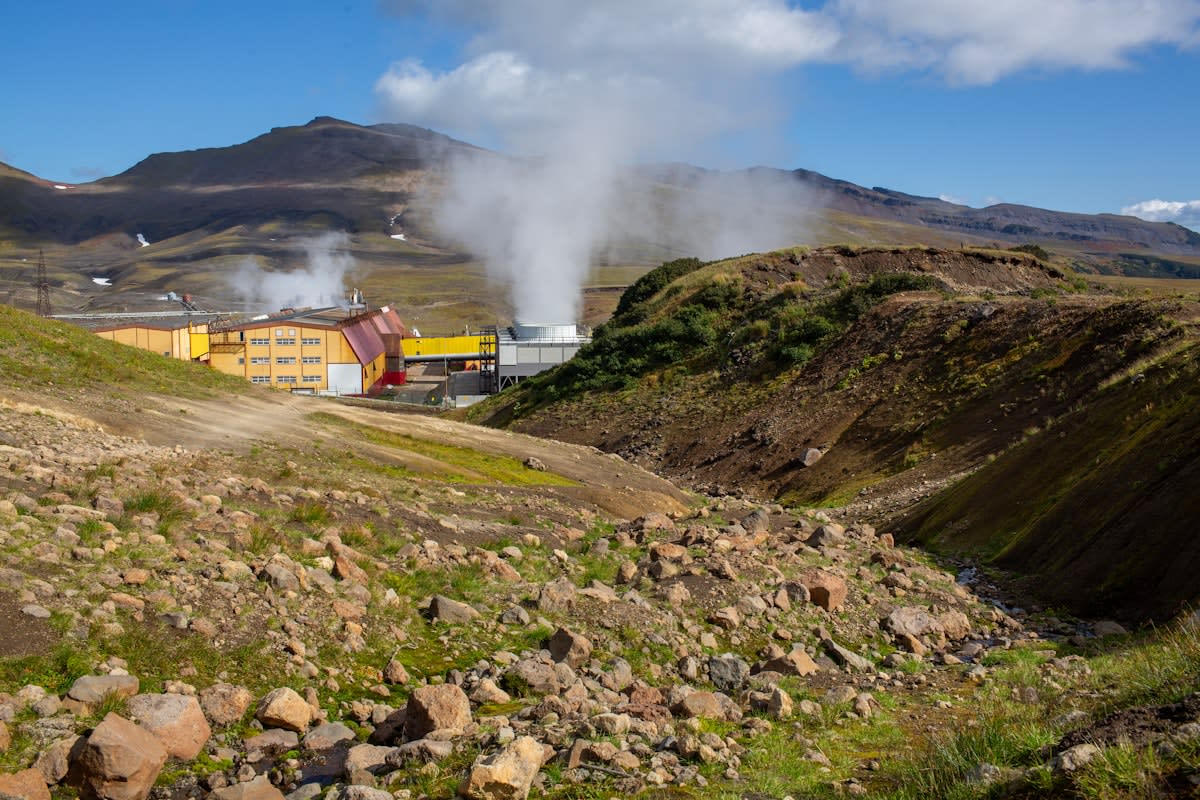
Kenya is also evolving. While already a leader in hydrothermal energy, the focus is shifting toward optimizing existing fields with deep-injection technology to prevent reservoir depletion (Source: KenGen Annual Review, 2023). The global narrative is shifting from 'where is the heat?' to 'how deep can we go?' This is a fundamental change in the human relationship with the planet's internal energy.
We are seeing a convergence of industries. The oil and gas sector, facing an existential crisis, is pivoting its workforce. The same engineers who spent decades fracking for gas in Texas are now applying those techniques to create geothermal reservoirs. This transfer of intellectual property is the secret engine driving the current speed of innovation.
- Millimeter-wave drilling: Replacing mechanical bits with energy beams to reach 20km.
- Supercritical fluids: Utilizing water at 400C+ to multiply power output per well.
- Closed-loop architectures: Eliminating seismic risk by sealing the working fluid.
- Cross-industry migration: Leveraging O&G horizontal drilling expertise for heat extraction.
Is the risk too high? The cost of a failed 10km hole is staggering. Yet, the reward is a source of energy that doesn't depend on the wind blowing or the sun shining. It is the holy grail of energy: baseload, carbon-free, and virtually limitless. As the cost of drilling drops and material science catches up to the heat, the 'Deep Heat Race' will likely define the energy landscape of the 2030s.
Fact-Check & Accuracy Note
Key claims regarding supercritical water properties are sourced from the International Energy Agency (2023). Data on horizontal drilling success in Nevada is attributed to Fervo Energy (2023). Technical specifications for millimeter-wave drilling are based on Quaise Energy's 2024 technical briefings. Note: The commercial viability of 20km drilling remains an area of active debate, with significant uncertainty regarding long-term borehole stability at those depths.