12-hour shutdown hits 3 Arunachal Pradesh districts over 10 detained dam protesters
Source Entity
Latest News: Todays Latest News Headlines from India & World | Hindustan Times | Hindustan Times
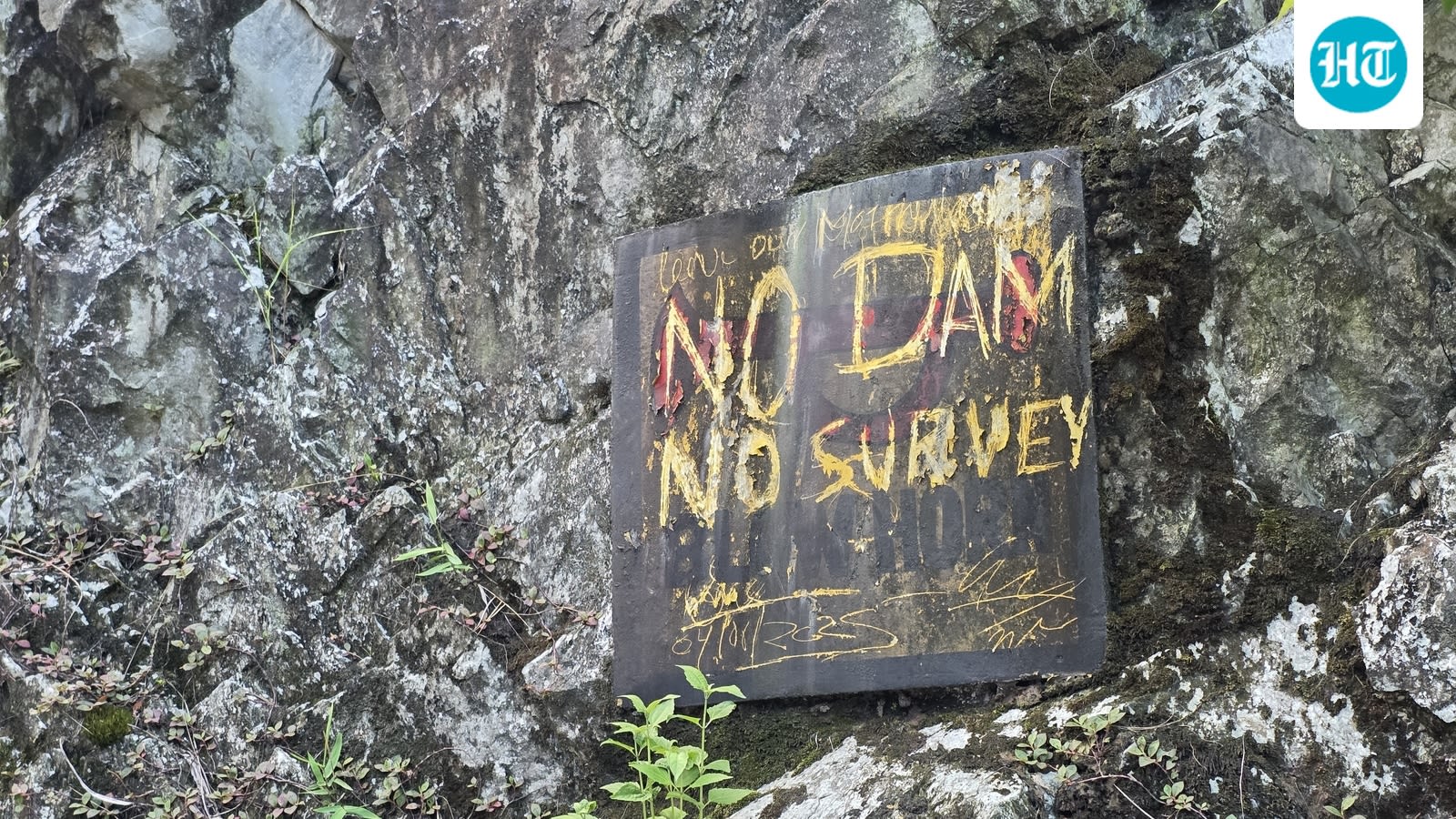
A 12-hour shutdown paralyzed three districts in Arunachal Pradesh as protesters demanded the release of 10 activists detained for opposing a Siang River dam project. The movement, spearheaded by local organizations, warns of escalating unrest if their demands remain unmet.
Tensions Escalate in Arunachal Pradesh Over Siang River Dam Project
On Friday, a 12-hour shutdown brought normal life, commercial activity, and transportation to a standstill across the Siang, Upper Siang, and East Siang districts of Arunachal Pradesh. The strike was organized by a coalition of local groups, including the Adi Bane Kebang United (ABKU), SAYA, the Adi Galo Welfare Society, and the Siang Indigenous Farmers Forum (SIFF), to protest the detention of ten activists. These individuals were taken into custody approximately 20 days ago following their vocal opposition to a proposed large-scale dam project on the Siang River.
The Roots of the Dispute
The core of the conflict lies in the deep-seated apprehension among local communities regarding the environmental and social impact of large-scale hydroelectric infrastructure on the Siang River. For the indigenous Adi and Galo communities, the river is not merely a geographic feature but a vital cultural and economic artery. The protesters argue that the proposed survey and consultation processes for the dam have been inadequate and lack transparency, leading them to demand an immediate halt to all project-related activities.
The Demand for Release and Administrative Response
The 10 detainees have become a symbol of the broader resistance movement. By calling for a 12-hour shutdown, the organizers have effectively leveraged civil disruption to highlight the perceived high-handedness of the state administration in handling local dissent. The ultimatum issued by the organizations—demanding the release of the detainees within 24 hours—underscores the fragile state of the current dialogue between the project stakeholders and the local population.
Broader Implications for Regional Development
This protest highlights the recurring challenge of balancing national energy security goals with local environmental and cultural preservation. Arunachal Pradesh, with its massive hydroelectric potential, is often viewed by the central government as a key contributor to India’s renewable energy targets. However, the recurring resistance from local stakeholders suggests that top-down development models face significant hurdles in the Northeast, where land rights and indigenous autonomy remain central to political discourse.
Future Trends and Potential Escalation
The threat of "wider protests" should the current demands remain unaddressed signals a potential for prolonged civil unrest in the region. Should the state administration maintain its current stance, the coalition of groups involved—ranging from the Adi Bane Kebang United to various youth and welfare forums—possesses the organizational capacity to sustain pressure. The situation remains volatile, and the outcome will likely hinge on whether the government chooses to engage in a formal, transparent dialogue or persists with legal and administrative enforcement against the protesters.
Conclusion
The shutdown in the Siang districts serves as a stark reminder of the complexities involved in industrializing sensitive ecological regions. As the deadline for the release of the detainees approaches, the eyes of the region are fixed on the government's next move. A resolution will require navigating not only the technical aspects of the dam project but also the urgent need for inclusive consultation with the people whose ancestral lands and livelihoods are directly at stake.
Verification Required?