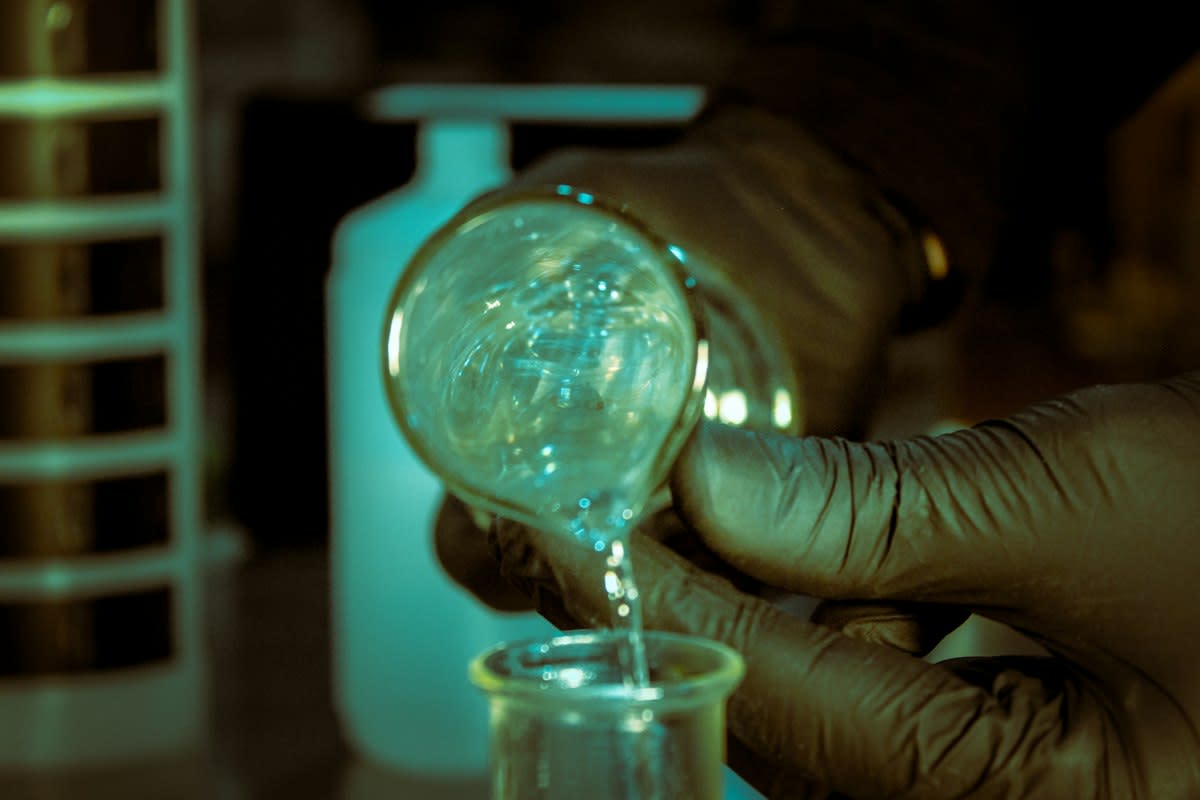
Ten working days. That is the turnaround for great crested newt detection (Source: ADAS, 2026). This speed replaces months of manual trapping and visual surveys. It moves the search from the mud to the molecule.
Field Prerequisites
Sifting water for genetic traces requires a sterile environment to prevent cross-contamination. A single flake of human skin or a stray hair can spoil a sample destined for forensic validation. Practitioners must secure gear that can withstand brine-soaked conditions without leaching chemicals that degrade DNA. The goal is to capture genetic material shed by organisms—skin, mucus, or waste—without ever seeing the animal itself (Source: Facebook Ocean Decade).
- Sterile 2.5-liter HDPE collection bottles
- 0.22-micrometer cellulose acetate filter membranes
- Portable vacuum pump with a rust-pitted reinforced hose
- DNA-free sterile gloves and disposable forceps
- Long-term preservation buffer (e.g., Longmire's solution)
- GPS handheld for precise coordinate logging in zones like Tainan
The Sifting Protocol
- Site Selection: Identify high-probability zones, such as the slow-moving canals of Tainan, where genetic material accumulates in the benthos.
- Water Collection: Extract 2 to 5 liters of water using sterile bottles, avoiding ash-streaked surface scum to ensure a representative sample.
- Filtration: Pass the water through a 0.22-micrometer membrane using a vacuum pump to trap the genetic debris.
- Preservation: Immediately fold the membrane into a sterile tube and saturate it with preservation buffer to stop enzymatic decay.
- Cold Chain Transport: Store samples at 4 degrees Celsius or in a deep-freeze to maintain the integrity of the DNA strands.
- Lab Analysis: Submit to a facility for PCR amplification and sequencing to identify specific taxa (Source: ADAS, 2026).
The transition from the field to the lab is where the most fragile data is lost. A failure in the cold chain can render an entire expedition useless.
The power of this method lies in its non-invasive nature. Traditional biodiversity monitoring often requires capturing animals in nets, which causes stress and potential injury to threatened wildlife (Source: Curtin University). eDNA sifting allows researchers to monitor aquatic species by simply analyzing the water they swim in. This is an affordable, reliable, and efficient way to track biodiversity without disturbing the habitat (Source: Facebook Ocean Decade).
"eDNA is used to tackle pressing biodiversity challenges from habitat loss to monitoring threatened wildlife."— Curtin University Research Team
Forensic Validation and Wildlife Crime
When eDNA moves from conservation to the courtroom, the requirements shift. Detecting a species for a report is different from proving a crime. M Lewis (2027) highlights a significant gap in current practices: there is no established framework that merges eDNA best practices with forensic validation standards (Source: M Lewis, 2027). Without these standards, a defense lawyer can easily challenge the chain of custody or the risk of false positives.
| Metric | Community Science | Forensic eDNA |
|---|---|---|
| Primary Goal | Scalable Monitoring | Wildlife Crime Prosecution |
| Validation Level | Standard/Low | High/Legal |
| Cost per Sample | Low | High |
| Source | BioRxiv, 2026 | M Lewis, 2027 |
The friction between these two approaches defines the current state of the science. One seeks volume; the other seeks an airtight legal case.
From a practitioner's perspective, the reality is grit-toothed and messy. You are often standing in carbon-scored drainage ditches or on rust-pitted piers in Mushin, fighting humidity that threatens to liquefy your samples. There is a constant debate in the field regarding the 'detection limit'—the exact moment a sample goes from being a positive hit to a trace of contamination from a previous site. This friction is not theoretical; it is the difference between a successful conservation project and a failed legal prosecution.
Scaling via Community Science
To achieve long-term monitoring across vast regions, professional teams cannot be everywhere. A community science-based eDNA program offers a standardized, scalable, and low-cost approach (Source: BioRxiv, 2026). By training local citizens to collect samples, agencies can generate massive datasets that would be impossible for a small team of experts to gather. This democratizes biodiversity data and provides management-relevant information for state-level policy (Source: BioRxiv, 2026).
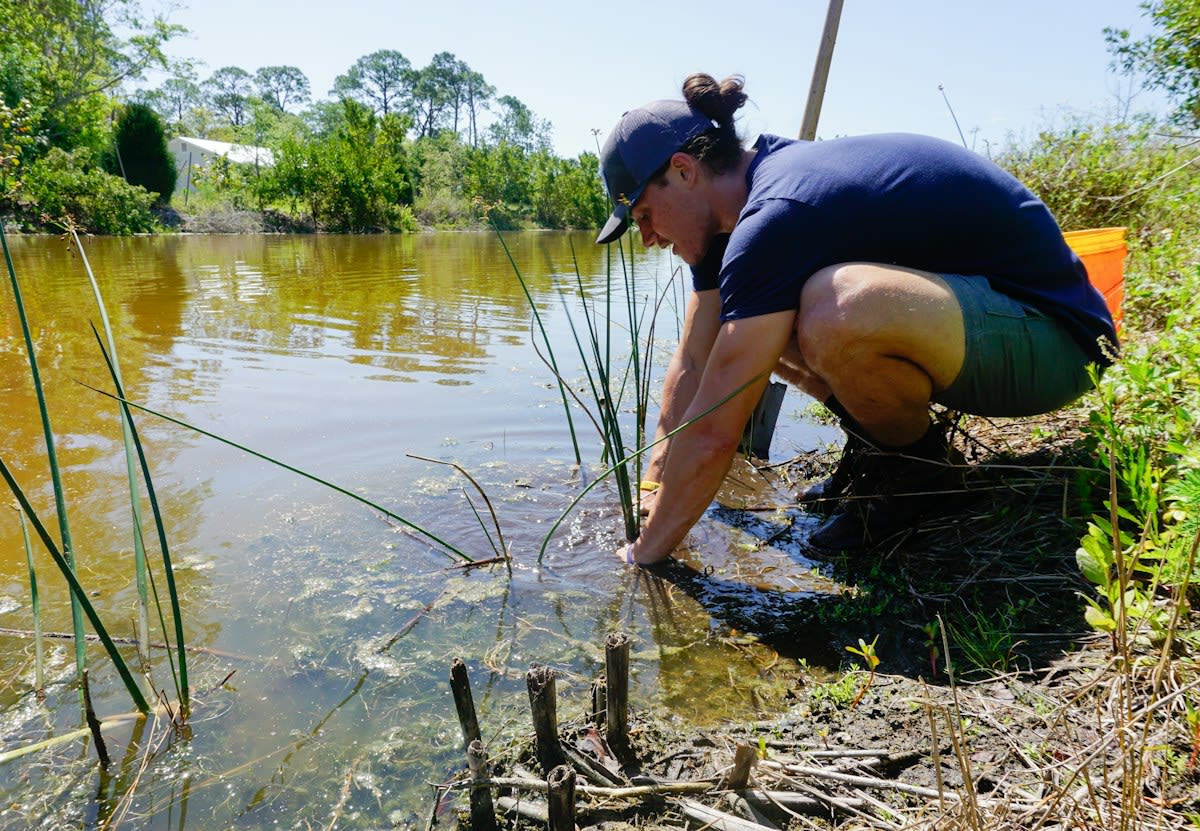
However, scaling introduces the risk of noise. When non-experts handle samples, the probability of contamination increases. The challenge is creating a protocol that is simple enough for a volunteer in Mushin but rigorous enough to be useful for a scientist in a lab. The goal is a system where the low cost of collection does not compromise the validity of the result (Source: BioRxiv, 2026).
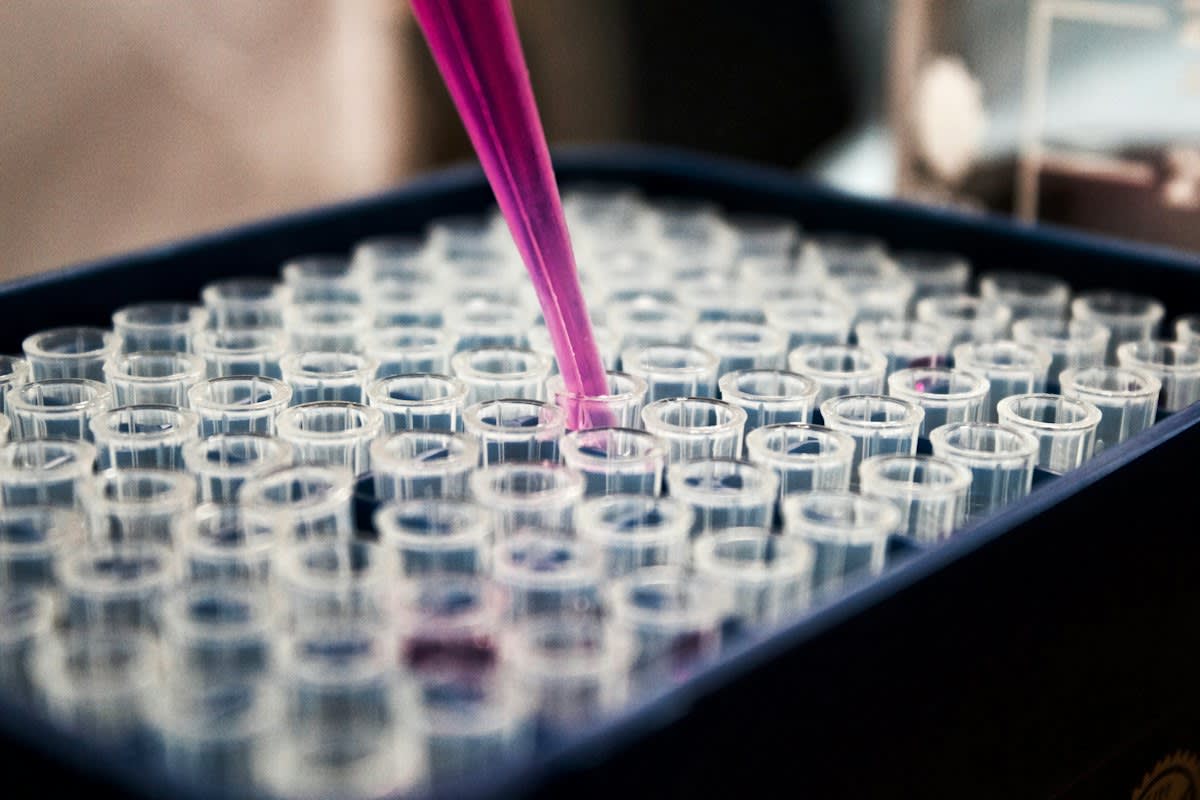
The ability to detect rare species through a simple water filter is a paradigm shift in biology. It turns every liter of water into a biological archive.
Failure Points
The most common failure point is DNA degradation. Environmental DNA is fragile; it is attacked by UV radiation and bacteria the moment an organism sheds it. If the sample is not preserved immediately, the genetic material breaks down into fragments too small for PCR amplification. Another critical failure is the 'false positive' caused by cross-contamination. If a sampler uses the same gear in two different locations without a total brine-soaked scrub, the DNA from the first site can appear in the second, creating a ghost population of a species that isn't actually there.
Common Pitfalls
Beginners often overlook the impact of water chemistry. High turbidity or extreme pH levels can inhibit the enzymes used in the lab, leading to 'false negatives' where the species is present but the test fails. Furthermore, relying on a single sample is a tactical error. To ensure accuracy, researchers must use replicate samples from multiple points in the water column to account for the patchy distribution of eDNA.
Fact-Check & Accuracy Note
All data cited in this guide is derived from research published between 2026 and 2027. Turnaround times for specific species (e.g., great crested newts) are based on ADAS service standards. Forensic gaps are based on the framework analysis by M Lewis.
Editorial Note
This guide emphasizes the tension between community-led scalability and forensic-grade validation. Users should choose their protocol based on whether the end goal is conservation monitoring or legal evidence.