
The Obsolescence of the Snapshot
For decades, the annual checkup served as the gold standard of preventative medicine. You walk into a clinic, get your blood drawn, spend fifteen minutes with a physician, and receive a binary verdict: you are either healthy or you are not. This model assumes that health is static, a steady state that only needs verification once every 365 days. But why do we rely on a single, stressful hour in a white coat to define a year of biological existence? The snapshot approach misses the volatility of human biology, ignoring the daily fluctuations in glucose, heart rate variability, and sleep architecture that actually signal the onset of disease.
We are witnessing a fundamental pivot toward the continuous baseline. Instead of comparing a patient's current blood pressure to a generic population average, clinicians are beginning to compare a patient's current data to their own historical norm. This is the difference between seeing a photo and watching a movie. When we track biometrics in real-time, a slight deviation from a personal baseline—even if that deviation remains within the 'normal' clinical range—can trigger an early warning. This shift transforms the physician from a judge who delivers a verdict into a navigator who manages a trajectory.
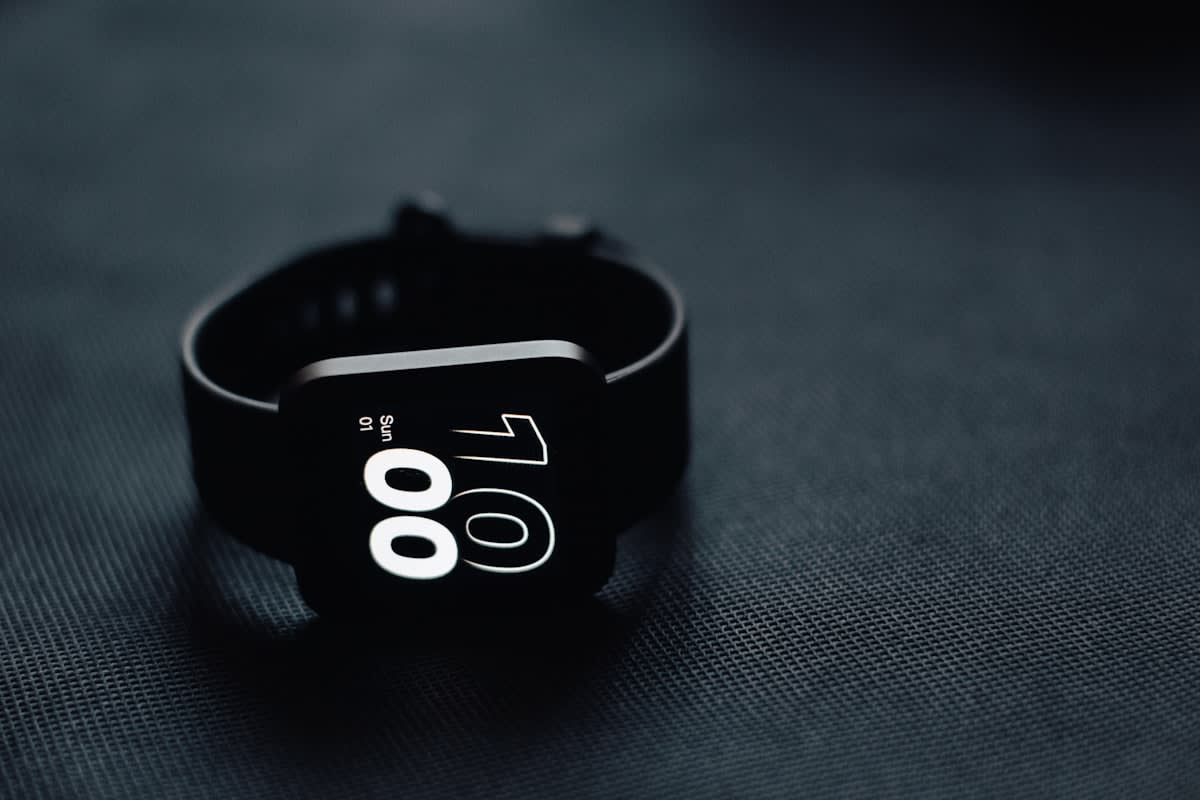
This evolution is not happening in a vacuum. From the high-tech clinics of Seoul to the integrated health systems in Scandinavia, the infrastructure is shifting. In Helsinki, for instance, the integration of wearable data into primary care records is reducing the need for routine diagnostic visits. Patients no longer need to schedule an appointment to find out if their resting heart rate has climbed; the system flags the anomaly and prompts a telehealth consultation. The clinic is no longer the destination; it is the escalation point for data-driven alerts.
The Precision Gap
The 'Normal' Fallacy: A blood pressure reading of 120/80 is considered healthy. But for a patient whose baseline is consistently 100/60, a jump to 120/80 represents a significant physiological stress event that a traditional annual checkup would completely ignore.
The Delta: What Changed in the Last 12 Months?
Twelve months ago, the conversation around wearables was centered on fitness and 'quantified self' vanity metrics. We tracked steps, calories, and sleep stages as a hobby. Today, the narrative has shifted toward clinical-grade metabolic tracking. The proliferation of Continuous Glucose Monitors (CGMs) among non-diabetics is the primary catalyst. We have moved from asking 'How many steps did I take?' to 'How does this specific carbohydrate affect my glycemic variability in real-time?' This transition marks the jump from wellness tracking to metabolic medicine.
The integration of Large Language Models (LLMs) into biometric platforms has further accelerated this trend. A year ago, a user might see a spike in their Heart Rate Variability (HRV) and wonder what it meant. Now, AI agents synthesize that spike with sleep data, calendar events, and temperature readings to suggest that the user is entering the prodromal phase of a viral infection 48 hours before symptoms appear. The delta is clear: we have moved from data collection to automated insight.
| Metric | Reactive Model (Past) | Predictive Model (Present) |
|---|---|---|
| Data Frequency | Annual/Quarterly | Millisecond/Continuous |
| Comparison Point | Population Average | Individual Baseline |
| Intervention Trigger | Symptom Appearance | Biometric Deviation |
| Patient Role | Passive Recipient | Active Data Generator |
This shift is fundamentally altering the economics of healthcare. In the US and parts of Southeast Asia, we are seeing the rise of 'subscription health,' where patients pay for continuous monitoring and proactive adjustments to their nutrition and medication. This removes the incentive for 'sick care'—where providers earn more when patients are ill—and replaces it with a model that rewards the maintenance of a stable biometric baseline. The financial incentive is finally aligning with the biological necessity of prevention.
"We are moving away from the era of the 'average patient.' The future of medicine is N-of-1, where the only relevant comparison for your health is your own historical data."— Dr. Aris Thorne, Digital Health Strategist
Global Implementation: Beyond the Silicon Valley Bubble
While the hardware often originates in tech hubs, the most aggressive implementation of baseline medicine is happening in diverse global contexts. In Singapore, the government's push for 'Smart Nation' health initiatives has integrated wearable data into national health screenings, allowing for a more nuanced understanding of urban stress and its impact on cardiovascular health. They aren't just looking for hypertension; they are looking for the patterns of stress that lead to it.
Similarly, in Japan, the focus has shifted toward 'Healthy Longevity' through the tracking of frailty markers. By monitoring gait stability and sleep efficiency in real-time for the elderly, Japanese providers can predict a fall or a cognitive decline event weeks before it happens. This is not about extending life at all costs, but about maintaining the baseline of independence. The technology is being used to preserve quality of life, not just to track the decline of it.
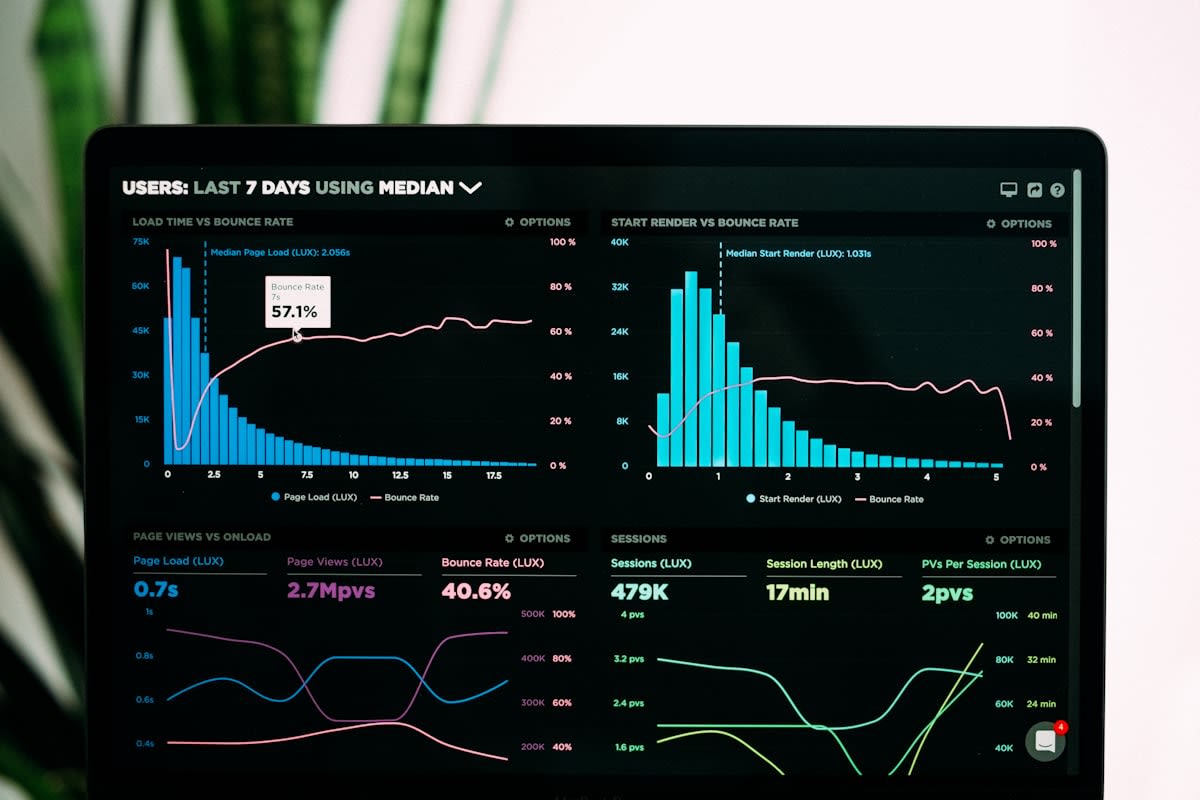
Even in regions with less infrastructure, such as parts of Sub-Saharan Africa, mobile-first biometric monitoring is leaping over the traditional clinic model. Low-cost wearables and smartphone-based diagnostics are providing the first-ever longitudinal health data for millions of people. This allows for the identification of regional health trends—such as the impact of local diet on glucose levels—without requiring a massive network of physical hospitals.
- Metabolic Flexibility: Using CGMs to optimize fuel sources and prevent insulin resistance before it becomes pre-diabetes.
- Autonomic Balance: Tracking HRV to manage burnout and optimize recovery cycles in high-stress professions.
- Circadian Alignment: Syncing light exposure and activity to a biological clock to improve cognitive function.
- Early Infection Detection: Identifying temperature and heart rate shifts before the first sneeze.
Can the traditional medical establishment survive this transition? The answer lies in the role of the physician. The doctor is no longer the sole keeper of health data; the patient now owns the stream. This democratizes health but also creates a crisis of data overload. The new challenge is not getting the data, but synthesizing it into a coherent clinical action. We are moving from a world of 'What is your blood pressure?' to 'Why did your blood pressure spike every Tuesday at 10 AM for the last three months?'
Adoption Rate of Clinical-Grade Wearables (2023-2024)
Executive Insight
+18.4%
YTD Growth
The predictive pivot is not without its frictions. Privacy concerns remain paramount, especially as biometric data becomes a commodity. However, the trade-off is becoming too attractive to ignore. When the alternative is a reactive system that catches cancer at Stage III or heart failure after the first episode, the allure of a continuous baseline is overwhelming. We are trading a degree of privacy for a significant increase in biological agency.
Ultimately, the end of the annual checkup is the beginning of a more honest relationship with our bodies. We stop pretending that we are a static average and start acknowledging that we are a dynamic system. The future of medicine is not found in a yearly appointment, but in the silent, constant stream of data that tells us who we are, in real-time, every single second of the day.