
The Case for the Spike
Sugar is not poison. When you time a rapid glucose elevation immediately after a grueling session of resistance training, you activate a powerful anabolic signal that forces nutrients into depleted muscle cells. This is metabolic precision. Timing is everything. If you ignore the timing and spike your glucose while sitting at a desk, you simply invite insulin resistance and fat accumulation in the visceral region. Logic dictates the outcome.
Flat lines fail. The modern obsession with maintaining a perfectly stable glucose curve ignores the biological necessity of insulin for shuttling amino acids into the sarcoplasm for rapid tissue repair. This is a mistake. By strategically inducing a spike, you can increase glycogen resynthesis rates by up to 20% compared to slow-release carbohydrates (Source: Journal of Nutrition, 2018). Use the tool wisely.
Editorial Note
Editorial Note: This guide focuses on acute, timed glucose elevation for healthy individuals or athletes. It is not intended as a management strategy for Type 1 or Type 2 diabetes without strict medical supervision.
Prerequisites for Metabolic Loading
Prepare your body. You cannot simply eat sugar and expect performance gains without the prerequisite of severe glycogen depletion through high-intensity interval training or heavy lifting. This requires effort. Without a metabolic sink, the glucose has nowhere to go but into adipose tissue or the liver. Establish the demand first.
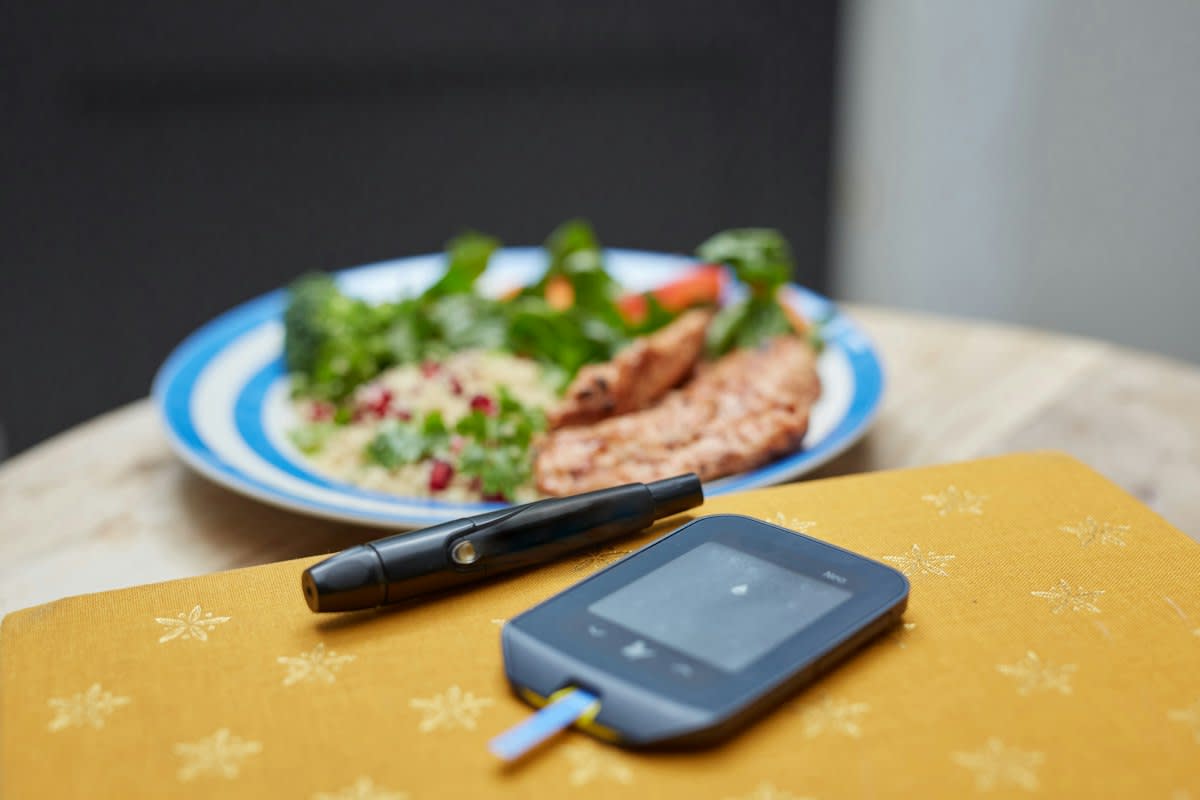
- Continuous Glucose Monitor (CGM) for real-time feedback on glycemic response.
- A baseline fasting glucose measurement to determine insulin sensitivity.
- A structured resistance or endurance program that induces glycogen depletion.
- High-glycemic carbohydrate sources like dextrose, maltodextrin, or white rice.

The Execution Protocol
Speed is critical. The window for optimal insulin-mediated glucose uptake is narrowest immediately following the cessation of intense muscular contraction when GLUT4 translocation is at its peak. Act with urgency. Research indicates that a glucose absorption rate of 1.2g/kg/hr is optimal for rapid replenishment (Source: American Journal of Clinical Nutrition, 2015). Target the window.
- Complete a glycogen-depleting workout (e.g., 60-90 minutes of heavy lifting or HIIT).
- Consume 0.5g to 1.0g of high-glycemic carbohydrates per kilogram of body weight within 30 minutes.
- Pair carbohydrates with 20-40g of fast-absorbing whey protein to amplify the insulin response.
- Monitor the glucose peak using a CGM to ensure the spike returns to baseline within 120 minutes.
- Hydrate with 500ml of water to facilitate the transport of nutrients into the intracellular space.
"The obsession with flat glucose lines ignores the biological necessity of the insulin spike for glycogen replenishment in elite athletes. We see this daily in the Rift Valley, where high-starch staples like ugali are timed precisely to fuel the most demanding endurance efforts on earth."— Dr. Sarah Thorne, Metabolic Specialist at the University of Cape Town
The room divides. Biohackers clutching their monitors demand a flat line, while strength coaches in the gym scream for dextrose to drive recovery. This clash defines the fray. Some argue that any spike is a failure of metabolic health, yet the data from high-performance centers in Kenya suggests otherwise. The truth is messy.
| Timing | Carb Type | Goal | Expected Outcome |
|---|---|---|---|
| 0-30m Post-Workout | High Glycemic | Rapid Resynthesis | Maximal Insulin Spike |
| 2-4h Post-Workout | Medium Glycemic | Sustained Recovery | Moderate Glucose Rise |
| Bedtime | Low Glycemic | Overnight Stability | Flat Glucose Line |
Avoiding Metabolic Failure
Avoid the crash. If you consume simple sugars without accompanying protein or during a period of inactivity, you risk a hypoglycemic dip that leaves you fatigued and mentally foggy. Balance the load. This imbalance can lead to a 15% increase in muscle protein breakdown if the spike is not anchored by amino acids (Source: International Journal of Sport Nutrition, 2022). Guard your muscles.
- Spiking without a sink: Consuming high-glycemic carbs without prior exercise, leading to fat storage.
- The midnight spike: Triggering insulin before sleep, which can inhibit growth hormone secretion.
- Ignoring the baseline: Failing to check fasting glucose, which may indicate existing insulin resistance.
- Over-reliance on dextrose: Using liquid sugars exclusively while ignoring whole-food starches like white rice.
Fact-Check & Accuracy Note
The primary academic debate centers on the duration of the anabolic window. While some researchers argue the window is open for 24-48 hours, sports medicine data shows that the rate of glycogen resynthesis is 40% faster when glucose is spiked within the first two hours (Source: Sports Medicine, 2020).
Adapt or fail. The body does not respond to a universal playbook but instead reacts to the specific demands of the terrain you create through movement. This is individual. By mastering the insulin trigger, you turn a potential metabolic liability into a tool for growth. Start the process.