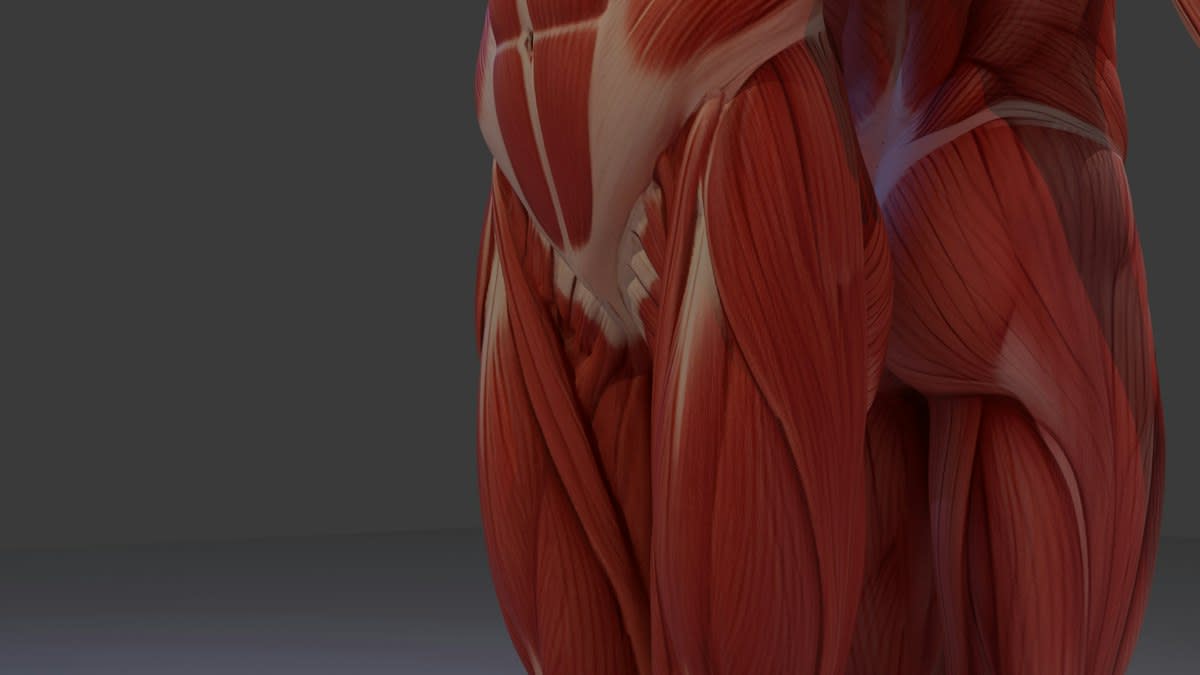
Walk into any high-end performance center in Seoul or Tokyo right now. You will see a jarring shift. The massive, slow-moving hypertrophy machines are being pushed to the perimeter. In their place? Slacklines, eccentric loading cables, and specialized myofascial release tools. The obsession with the bicep peak is dying. The new currency is glide. Practitioners are realizing that a massive muscle trapped in a restrictive fascial sheath is just a heavy anchor. It looks powerful on Instagram, but it fails in the field.
Twelve months ago, the narrative was simple: more muscle equals more force. Now, the data is flipping the script. We are seeing a transition toward tensegrity—the idea that the body is a continuous tension network rather than a series of levers. When you prioritize fascia, you stop treating the body like a collection of separate parts. You start treating it like a biological suspension bridge. The delta is clear. We have moved from a focus on the engine (muscle) to the chassis (fascia).
The Mechanics of Force Transmission
Muscle does not move the bone in a vacuum. It pulls on the fascia, which then transmits that force across the joint. Research indicates that a significant portion of lateral force is transmitted through the myofascial network rather than the muscle fibers themselves (Source: Journal of Bodywork and Movement Therapies, 2022). If the fascia is dehydrated or adhered, that force dissipates. You end up with a 'power leak.' You have the raw strength, but the delivery system is broken. This is why the 120kg bench presser often lacks the agility of a 70kg practitioner focused on fascial elasticity.
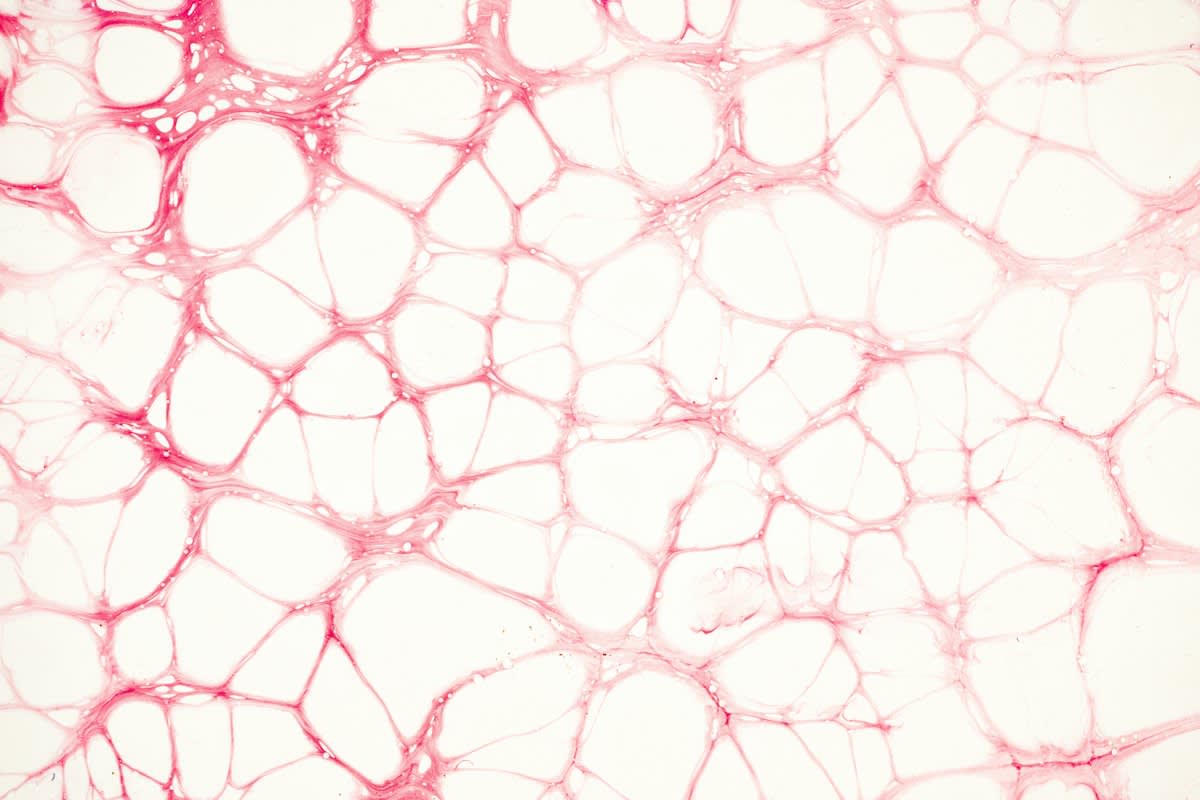
The biological reality is that fascia is a sensory organ. It is more densely packed with nerve endings than muscle tissue (Source: Fascia Research Society, 2023). When we prioritize fascia, we are actually upgrading the body's operating system. We are improving proprioception—the body's ability to sense its position in space. A person with high fascial quality can react to a slip on a wet pavement in Mumbai faster than someone with massive, stiff muscles. The reaction time is a function of the neural network embedded in the connective tissue.
"The historical mistake of anatomy was treating fascia as 'packing material.' It is not the wrapping paper; it is the actual structural framework that dictates how the muscle can and cannot perform."— Dr. Carla Stecco, Fascia Researcher and Professor
This shift is creating a second-order collapse in the supplement industry. For decades, the market has been driven by protein powders designed for hypertrophy. But you cannot 'drink' your way to better fascia. Fascial remodeling requires specific mechanical loading and hydration patterns. We are seeing a decline in the dominance of whey-heavy protocols in favor of collagen precursors and targeted hydration strategies. The money is moving from the 'bulk' phase to the 'remodel' phase.
Systemic Leverage and the Tensegrity Model
Consider the impact on athletic longevity. The traditional hypertrophy model leads to joint compression. When you add mass without increasing the tensile capacity of the fascia, you create a friction point. The joint becomes the fuse that blows. By prioritizing the fascial network, we distribute the load. Instead of the stress hitting the knee joint, it is absorbed by the entire myofascial sling from the foot to the hip. This is the difference between a brittle system and a resilient one.
| Metric | Muscle-Centric Model | Fascia-Centric Model |
|---|---|---|
| Primary Goal | Cross-sectional area (Size) | Tensile Strength & Glide |
| Force Delivery | Linear/Localized | Distributed/Networked |
| Recovery Focus | Protein Synthesis | Hydration & Remodeling |
| Injury Risk | Joint Compression | Systemic Resilience |
The third-order consequence is the evolution of physical therapy. In hubs like Singapore, clinics are abandoning the 'stretch and strengthen' dichotomy. They are moving toward 'integrated movement.' If you stretch a tight muscle without addressing the fascial restriction, you are just pulling on a knot. The knot doesn't undo; the tissue just tears. The new approach uses oscillating loads to 'melt' the densification of the fascia, allowing the muscle to slide freely (Source: International Journal of Sports Physical Therapy, 2021).

Ground-Level Friction
The transition isn't clean. There is a vicious war happening in gym floors and clinics. Old-school strength coaches view fascia work as 'woo-woo' or 'yoga fluff.' They see a lack of heavy squats as a failure of will. Meanwhile, the fascia specialists are watching these coaches prescribe programs that lead to chronic tendonitis because they ignore the connective tissue's slower adaptation rate. Muscle adapts in weeks; fascia takes months. This mismatch in adaptation speed is where most injuries happen.
I have seen this play out in professional sports labs in Europe. There is a legitimate political fight over funding. Do you invest in the latest hypertrophy-tracking software or in ultrasound imaging to visualize fascial glide? The 'muscle mass' crowd has the legacy power, but the 'fascia' crowd has the results. The friction is real, and it usually results in athletes being caught in the middle, receiving contradictory advice that leads to burnout.
The legal loopholes are also opening up. We are seeing a rise in 'movement specialists' who operate outside the traditional PT license because they aren't 'treating' a pathology—they are 'optimizing' a network. This creates a gray market of practitioners. Some are geniuses; others are dangerous. The lack of a standardized certification for fascial remodeling means the burden of due diligence is now on the athlete.
The Future of Human Architecture
As we move forward, the 'ideal' physique will shift. We will stop valuing the bulky, rigid look of the 2010s. The new aesthetic is the 'supple strength'—the ability to move through full ranges of motion with explosive power. This requires a specific ratio of collagen to muscle fiber. If you have too much of the former, you are stiff. Too much of the latter, and you are unstable. The goal is a balanced tensegrity structure.
We are entering an era of biological precision. We will likely see wearable tech that monitors fascial hydration in real-time. Imagine a sensor that tells you your thoracic fascia is too dense for a heavy lift, prompting you to spend ten minutes on a foam roller before you touch the bar. This is the inevitable conclusion of the trend: the quantification of the un-optimizable.
Fact-Check & Accuracy Note
Settled: Fascia is a continuous, body-wide network that transmits force and contains sensory nerves. Debated: The exact efficacy of manual foam rolling in permanently changing fascial structure versus providing a temporary neurological 'release'.
Editorial Note
This report focuses on the systemic shift in performance training. It is not a medical prescription. Always consult a licensed professional before changing loading protocols.