
Zoning laws kill cities. While bureaucrats insist on rigid grids to manage growth, the most efficient human hubs emerge from the chaotic, unplanned accretion of bricks and desperation found in the global south (Source: UN-Habitat, 2020). Efficiency is not a map. Density is a feeling. While official metrics count heads per square kilometer, the actual psychological weight of a space depends on the quality of the social web supporting those inhabitants (Source: WHO, 2016). The emotional connection dictates the utility. Trust is the currency. Without a deep understanding of the social web, any attempt to introduce formal density will be met with immediate and violent rejection by the local population. These official maps deceive the planner.
Prerequisites for Organic Integration
Preparation is everything. You cannot enter an informal terrain with a fixed set of assumptions about how people should live or where they should walk. Abandon the default plan. You need tools that capture movement rather than ownership. This requires a shift from static surveying to kinetic mapping, where the focus is on the frequency of human interaction rather than the boundary of a lot. The movement defines the value.
- Kinetic mapping tools to track actual pedestrian flow
- Social network analysis to identify community anchor nodes
- A commitment to incremental development over master-planning
- Local mediators who hold legitimate social capital within the fray
- Flexible zoning permits that allow for mixed-use adaptive reuse
The Method: Implementing Informal Density
- Audit the organic flow. Map how people actually move through the terrain rather than how the official maps suggest they should travel (Source: UCL Urban Lab, 2019). Identify the ghost paths.
- Identify the anchor nodes. Locate the specific points where commerce and social interaction saturate the space, creating a natural gravity that pulls the community together. These are your hubs.
- Embed micro-services. Instead of building a centralized community center, distribute small-scale utilities and services into the existing fabric to maintain the current social web. Scale through iteration.
- Allow for adaptive reuse. Create a regulatory environment where a living room can become a grocery store overnight based on market demand (Source: World Bank, 2018). Flexibility is the key.
- Implement incremental infrastructure. Upgrade the water and power lines without clearing the existing structures, ensuring the staying power of the neighborhood remains intact. Build around the life.
Iteration beats perfection. When you attempt to impose a finished product on a living neighborhood, you create a structural break that alienates the residents. Let the city breathe. The goal is to provide the skeleton while allowing the community to provide the skin. This creates a hybrid density. It blends the safety of formal engineering with the agility of informal growth. This is the goal.
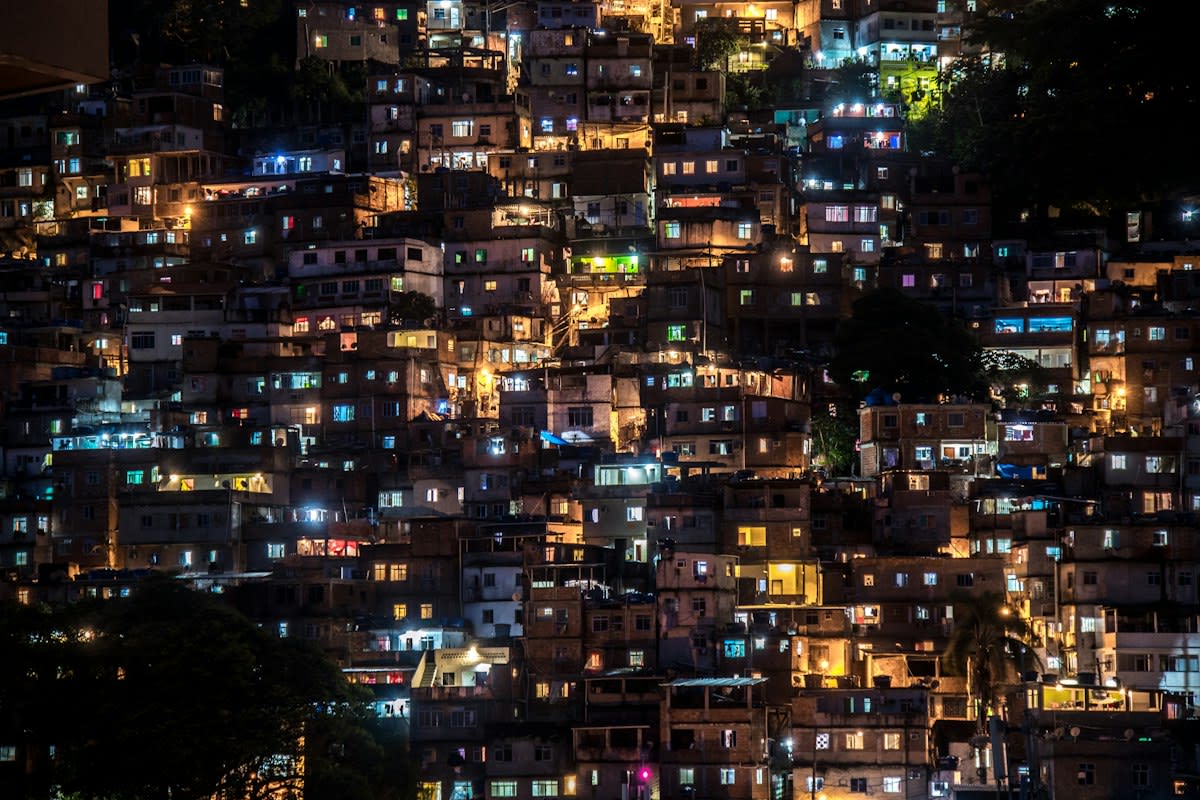
"A successful city is not a collection of buildings, but a network of social interactions that happen in the spaces between them."— Jan Gehl, Urban Designer at Gehl Architects
Planners fight over lines. I remember a project in Rio where the lead architect insisted on widening a central alley to meet fire codes, completely ignoring that the alley served as the primary social web for three generations of families. The community fought back with intensity. He saw a road. The formal training of the architect clashed with the lived reality of the residents, creating a stalemate that lasted for months. This was a complete mechanical failure. He tried to solve a safety problem by destroying a social solution. The lesson was clear.
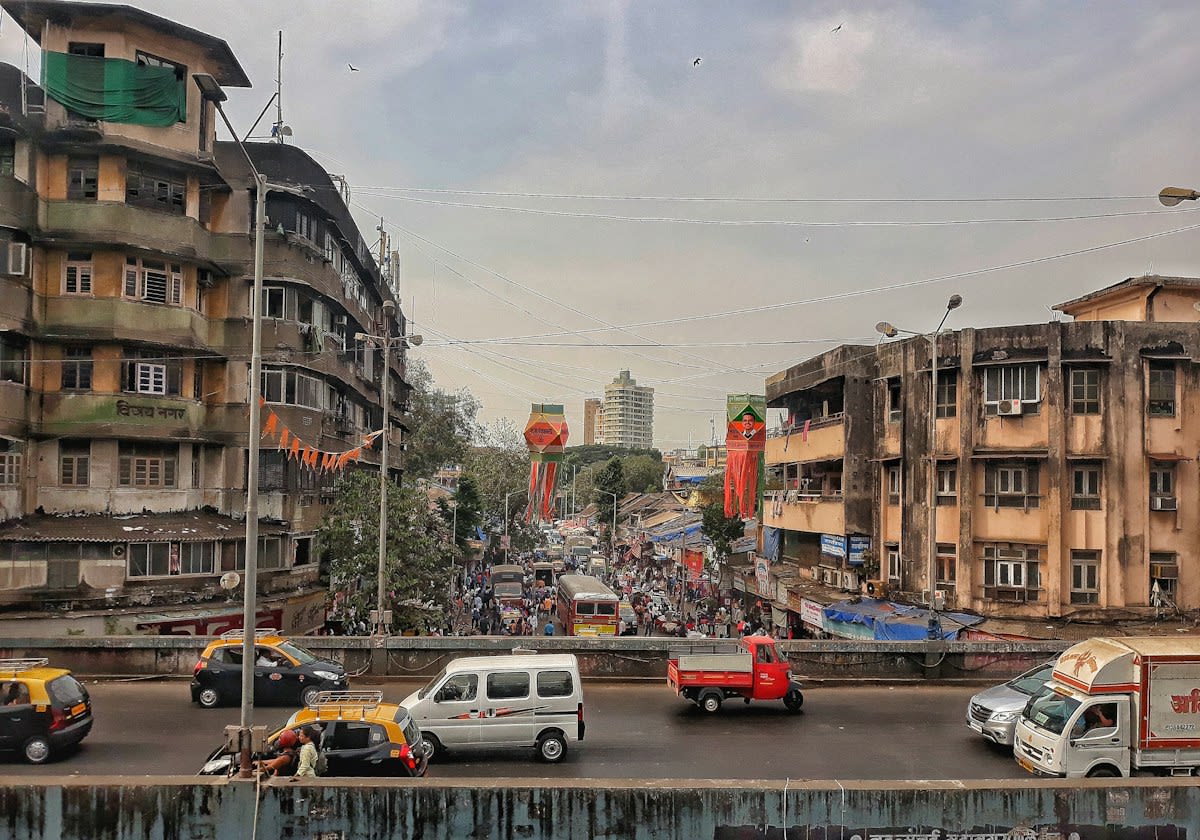
Economics drive layout. In places like Dharavi, the density is not a mistake but a strategy to minimize the cost of logistics for micro-industries (Source: Mumbai Metropolitan Region Development Authority, 2017). Proximity is profit. When you separate residential zones from commercial zones, you increase the weight of the commute and kill the local economy. The grid is a tax. By integrating work and home, favelas achieve a level of productivity that formal cities struggle to emulate. This is a hard turn. It requires planners to stop seeing slums as problems and start seeing them as prototypes.
Common Pitfalls in Density Planning
- Over-sanitization: Removing the 'messy' elements that actually facilitate social trust
- Top-down zoning: Applying Western residential standards to non-Western social structures
- Ignoring the gray economy: Failing to provide space for informal vending and home-based business
- Static implementation: Building a finished project instead of a framework for growth
- The 'Green-Wash' error: Adding parks that displace the actual social hubs of the community
Fact-Check & Accuracy Note
This guide relies on data from UN-Habitat (2020) and the World Bank (2018) regarding informal settlement growth. There is an ongoing academic debate between 'slum upgrading' (improving existing structures) and 'slum clearance' (replacing them). Most practitioners now argue that clearance destroys the social capital necessary for economic mobility, whereas upgrading preserves the community's staying power.
Editorial Note
Editorial Note: The term 'Favela' is used here as a proxy for organic, informal urbanism globally, including Kibera in Nairobi and Dharavi in Mumbai. The psychological principles of density remain consistent across these diverse terrains.