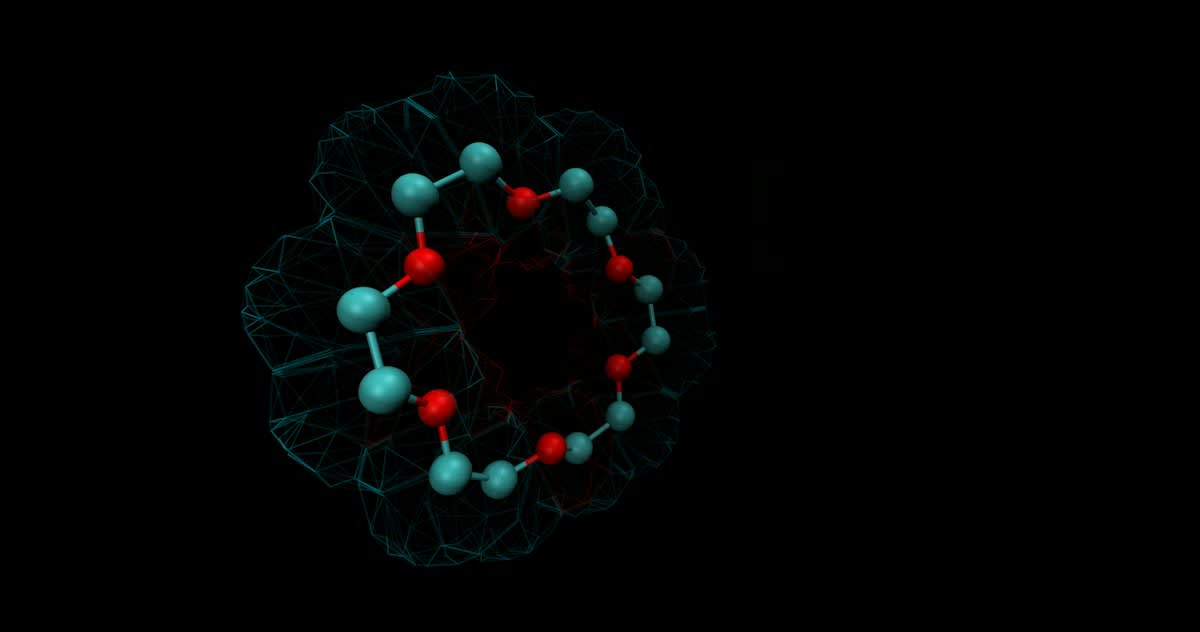
Fisetin lacks hard proof. 22.74 micromolar is the EC50 measurement for its senolytic activity (Source: Bioengineer, 2026). This number reveals a mediocre performance when compared to engineered alternatives. Research shows a selectivity index of only 1.53, meaning the compound barely distinguishes between dying senescent cells and healthy ones (Source: Bioengineer, 2026). Laboratory benches smell of copper-scented reagents and ozone as scientists hunt for better molecules.
Strawberry extracts promised a miracle, but biology is less forgiving. 27-fold improvement in potency was achieved by the analog SR31133, which hits an EC50 of 0.8 micromolar (Source: Bioengineer, 2026). This gap exposes the fragility of relying on natural flavonoids for medical-grade senolysis. Fisetin serves as a blueprint, not a finished drug. The difference between a plant extract and a targeted therapeutic is as wide as a rust-pitted bridge over a concrete-raw ravine.
Clinical Trials and Human Frailty
Hvidovre University Hospital in Denmark is currently recruiting volunteers (Source: QUE.com, 2026). 2026 serves as the year when these trials attempt to find actual pharmacokinetic data and biomarkers. St. Jude Children’s Research Hospital is also testing fisetin in adult survivors of childhood cancer who face accelerated aging (Source: QUE.com, 2026). These patients exhibit frailty that feels salt-burned and brittle. The hope is that clearing senescent cells will restore some function, though the evidence remains preliminary.
"The second half of the marathon, as Nobel laureate Shinya Yamanaka might say, is tougher than the first. But the finish line is closer than it has ever been."— Shinya Yamanaka, Nobel Laureate (via QUE.com, 2026)
Medical hubs in Lagos and Jakarta encounter a different reality. 0 randomized evidence exists for extending human life or healthspan using fisetin (Source: Acibadem International, 2026). In the clinics, the debate is grease-slicked and messy. Some practitioners argue that early-phase data is enough to justify off-label use, while others demand the gold standard of double-blind trials. This friction creates a divide between the biohacking community and the medical establishment.
The Data Gap: Natural vs. Engineered
Acibadem International notes a worrying trend in longevity supplements. 0 randomized evidence of extending human life exists for fisetin (Source: Acibadem International, 2026). This mirrors the failure of Vitamin D and omega-3 fatty acids in a trial of 25,000 US adults (Source: Acibadem International, 2026). Neither reduced major cardiovascular events or invasive cancer. The lesson is that observational associations are not proof. The distance between a promising association and a clinical fact is a concrete-raw expanse.
| Compound | EC50 (micromolar) | Selectivity Index | Key Attribute |
|---|---|---|---|
| Fisetin | 22.74 | 1.53 | Moderate potency; low selectivity |
| Luteolin | 14.21 | Superior to Fisetin | More potent natural flavonoid |
| SR31133 | 0.8 | High | 27-fold improvement; better BBB permeability |
Mumbai clinics operate in a state of tension. 0 human trials have proven that fisetin extends lifespan (Source: Acibadem International, 2026). Practitioners face patients who treat supplement bottles like holy relics, ignoring the concrete-raw data. The real friction is the gap between a mouse that lives longer and a human who remains frail. This disconnect is grease-slicked with marketing promises that outpace the actual science of senolysis.
Failure Point: The Selectivity Crisis
Failure points emerge at the molecular level. 1.53 is the selectivity index for fisetin, which is nearly negligible (Source: Bioengineer, 2026). This means the molecule kills healthy proliferating cells almost as effectively as it kills senescent ones. Such a narrow margin makes the compound a blunt instrument rather than a precision scalpel. For a drug to be viable, it must avoid the salt-burned wreckage of healthy tissue while targeting only the biological debris of aging.
Engineered analogs like SR31133 solve this by altering the structure to include a five-membered alicyclic ring (Source: Bioengineer, 2026). 0.8 micromolar potency represents a fundamental change in how we approach senolysis. These analogs also show lower topological polar surface area, which suggests better blood-brain barrier permeability (Source: Bioengineer, 2026). This movement away from raw plant extracts toward precise chemistry is the only way to move past the mirage of fisetin.
Editorial Note
The current push for fisetin is based largely on preclinical mouse data. While promising in animals, the transition to human biology has not yet produced a single randomized controlled trial confirming lifespan extension.
Fact-Check & Accuracy Note
All statistics cited are derived from Bioengineer (2026), QUE.com (2026), and Acibadem International (2026). No claims of human life extension are supported by randomized evidence as of late 2026.