The Blueprint of Belonging
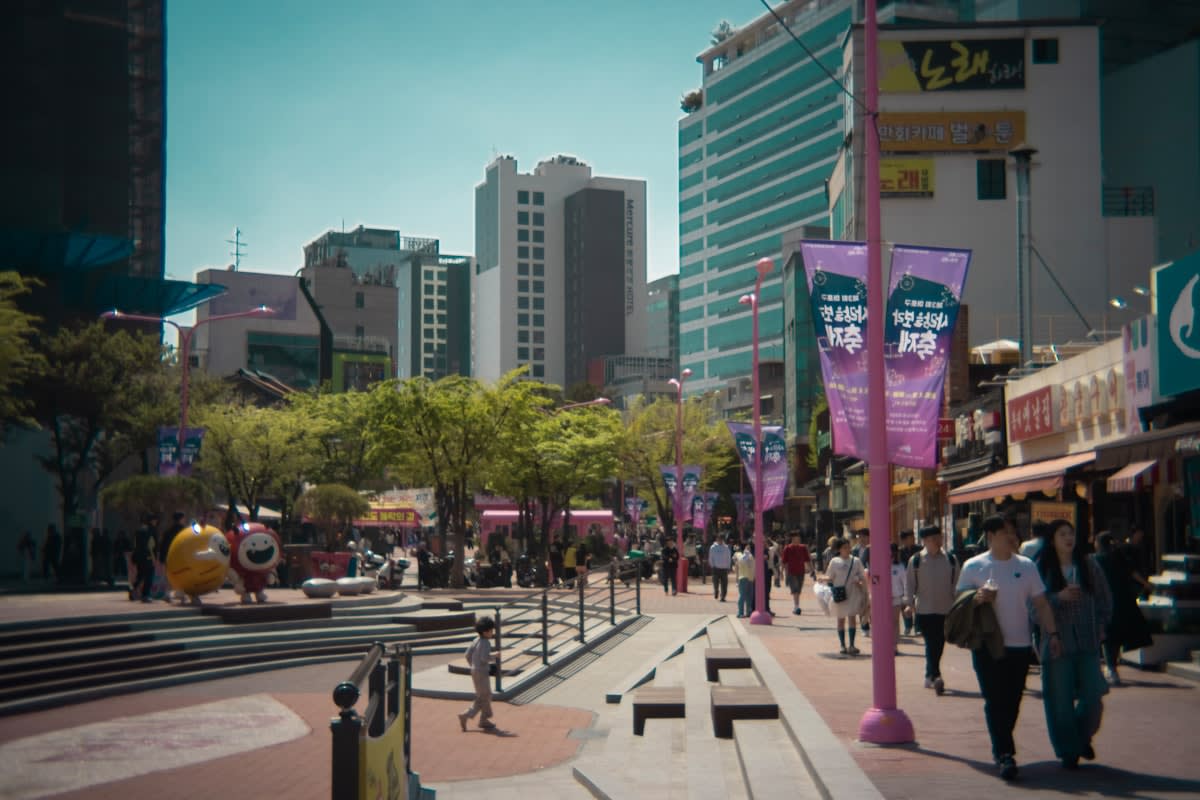
Most people treat social connection as a happy accident. They build a park or a coffee shop and hope people magically start talking to one another. As someone who has spent years implementing community-centric infrastructure, I can tell you that hope is not a design strategy. Real connection requires what I call Friendship Architecture: the deliberate engineering of Third Places. These are the physical settings—distinct from the first place (home) and the second place (work)—that encourage informal, low-stakes social interaction. When we fail to design these spaces intentionally, we don't just get empty plazas; we accelerate a systemic age of isolation.
Why does this matter now? Because our current urban environments often prioritize transit efficiency over human lingering. We have mastered the art of moving people from point A to point B, but we have forgotten how to make them want to stop at point C. The goal is to create environments where the 'cost' of initiating a conversation is lowered. This isn't about forced socialization or awkward icebreakers. It is about creating a physical environment that nudges people toward one another through layout, utility, and shared identity.
Prerequisites for Social Engineering
Before you break ground or lease a space, you need more than a budget. You need a fundamental shift in how you view the 'user.' In traditional architecture, the user is a tenant or a customer. In Friendship Architecture, the user is a potential node in a social network. You must move away from the idea of providing a service and toward the idea of fostering an ecosystem.
- A shift from 'Amenity Thinking' to 'Essential Infrastructure Thinking'.
- Access to local demographic data to identify specific isolation pockets (e.g., super-aged populations).
- A commitment to 'low-friction' entry points where no purchase is required to exist in the space.
- Partnerships with local cultural anchors to ensure the space reflects the actual community identity.
Step 1: Designing for 'Societal Nudges'
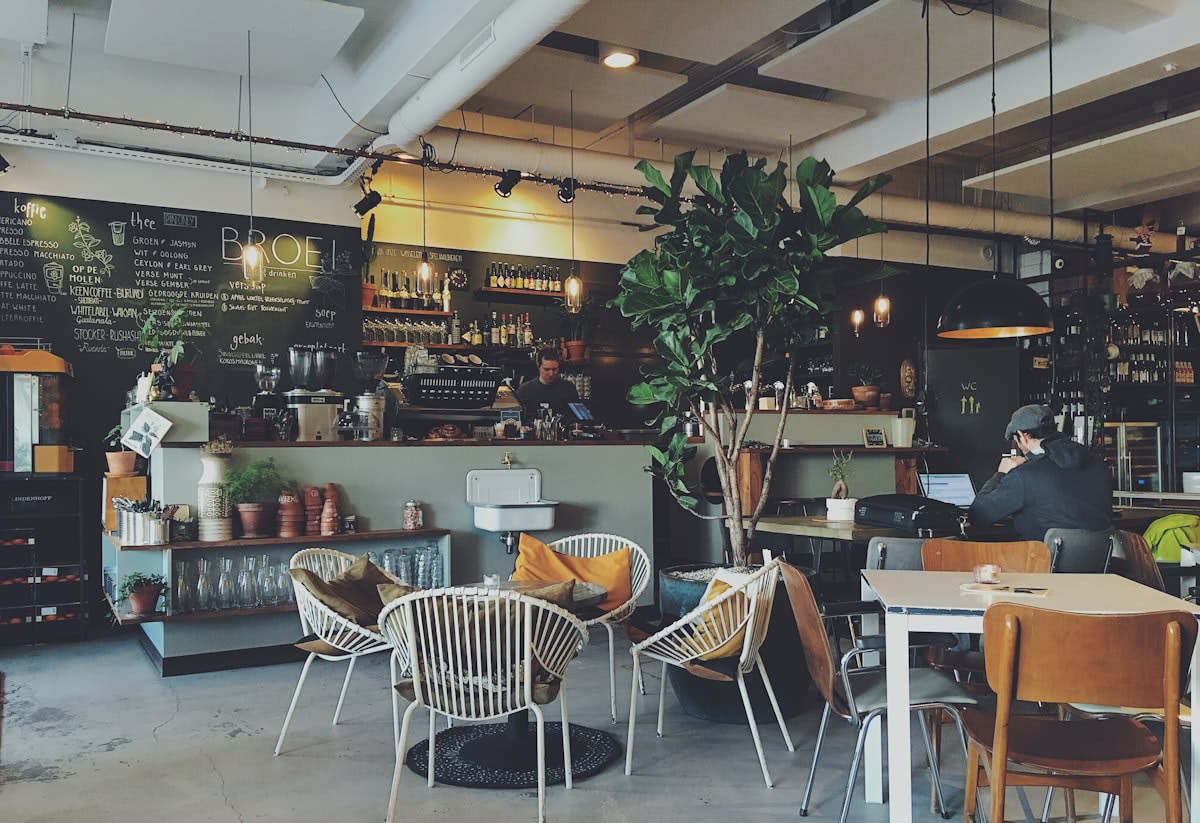
You cannot simply tell people to be social; you must nudge them into it. This is where urban design meets psychology. In Singapore, research is currently focusing on how infrastructure can be built with a purpose beyond mere aesthetics to promote social participation, particularly among older adults (Source: EurekAlert!, 2026). The key is to identify the physical barriers that prevent mobility and interaction. If a senior citizen finds a walkway intimidating or a seating area inaccessible, the 'Third Place' fails before it even begins.
"I would like to see us learn how to build infrastructure with a purpose beyond aesthetics, particularly how to build Third Places intentionally."— Professor Straughan, Director of SMU’s Centre for Research on Successful Ageing (ROSA)
To implement this, focus on 'fruitful longevity' by creating environments that treat aging as a productive stage of life rather than a period of decline (Source: EurekAlert!, 2026). This means designing spaces where seniors are not just recipients of care, but social assets. Think about the placement of benches, the lighting of pathways, and the proximity of these spaces to daily necessities. When the infrastructure supports physical activity and mobility, social interaction follows as a natural byproduct.
Step 2: Layering Cultural Identity and Art
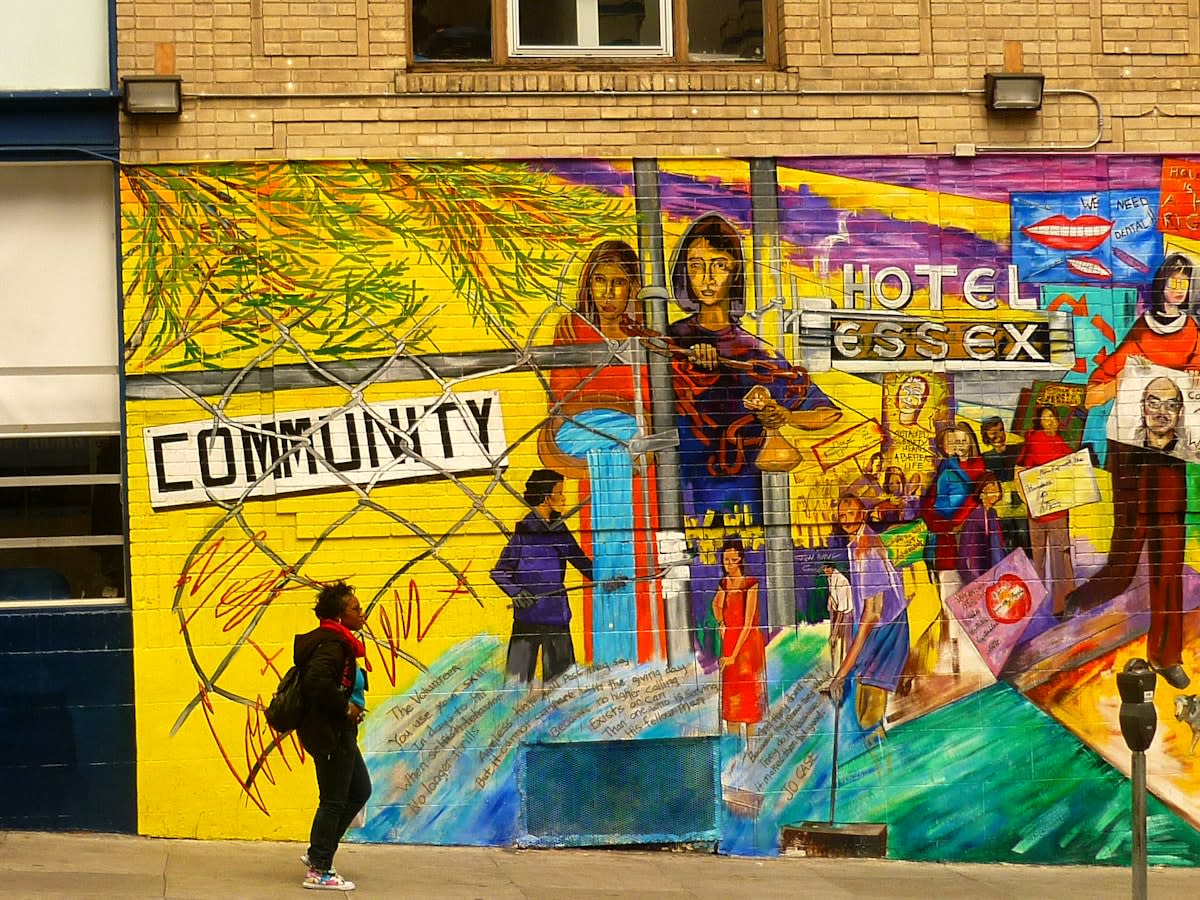
A sterile space is a dead space. If a community doesn't see themselves reflected in the walls of a Third Place, they will treat it as a transit zone rather than a destination. This is why art must be viewed as an essential component of community building, not a decorative afterthought. The NHP Foundation has demonstrated that when residents help create the places where they live, they stop simply occupying a building and start shaping a community (Source: Affordable Housing Finance, 2026).
Practical application involves moving from curated art to co-created art. Use resident-created murals or partnerships with organizations like Empact Art, Art with a Heart, or Raasin in the Sun to foster pride and strengthen community bonds (Source: Affordable Housing Finance, 2026). When a person sees a mural they helped paint, that wall becomes a point of conversation. It creates a shared history that acts as a social lubricant, making it easier for strangers to start a dialogue about the work surrounding them.
Step 3: Engineering Strategic Partnerships
The most resilient Third Places are those integrated into a wider network of support and partnership. You cannot build a social island; you must build a bridge. This requires moving beyond the role of a service provider to become a trusted community partner. In the Midwest, firms like BHC and Pape-Dawson are shifting their approach to focus on listening and collaborating to create meaningful opportunities within the communities they serve (Source: Kansas City Business Journal, 2026).
Strategic giving and partnership are the fuel for these spaces. It is not enough to build the infrastructure; you must support the programs that inhabit it. This might mean partnering with local non-profits to host workshops or providing the space for regional institutions to overcome their specific challenges (Source: Kansas City Business Journal, 2026). When a Third Place is backed by strategic investment and community-led programming, it evolves from a physical location into a social institution.
The Practitioner's Reality: Friction on the Ground
In the field, the biggest debate isn't about whether we need Third Places, but about the tension between 'curated' and 'organic' growth. I have seen countless projects fail because the developers tried to 'program' the social interaction too tightly. They create a schedule of events and wonder why the space feels artificial. The real friction happens when the desire for aesthetic perfection clashes with the messiness of human utility. A perfectly clean, minimalist plaza is often a social desert. The spaces that actually work are those that allow for a bit of chaos—where chairs can be moved, where walls can be painted over, and where the community feels a sense of psychological ownership.
Common Pitfalls to Avoid
- The 'Amenity Trap': Treating art or social spaces as bonuses rather than core requirements. This leads to budget cuts in the very areas that drive connection (Source: Affordable Housing Finance, 2026).
- The 'Aesthetic Bias': Prioritizing how a space looks in a brochure over how it functions for a 70-year-old with limited mobility (Source: EurekAlert!, 2026).
- The 'Top-Down Fallacy': Designing a space based on what the architect thinks the community needs rather than what the community actually uses.
- The 'Transaction Requirement': Creating spaces where social interaction is gated behind a purchase, which excludes the most isolated and marginalized populations.
Editorial Note
This guide focuses on the intersection of urban design and sociology. While the principles are universal, the implementation must be hyper-local. What works for a super-aged population in Singapore may require adaptation for a mixed-income housing project in the American Midwest.
Fact-Check & Accuracy Note
Key claims regarding 'Third Places' and urban nudges for seniors are sourced from the SMU Centre for Research on Successful Ageing (ROSA) via EurekAlert! (2026). Claims regarding the role of art in community building are sourced from The NHP Foundation via Affordable Housing Finance (2026). Community partnership strategies are sourced from the Kansas City Business Journal (2026). Ongoing debate exists regarding the balance between programmed activities and organic social emergence.