US-Designated Global Terrorist Muhammad Sarwar Dies In Lahore
Source Entity
NDTV News Search Records Found 1000
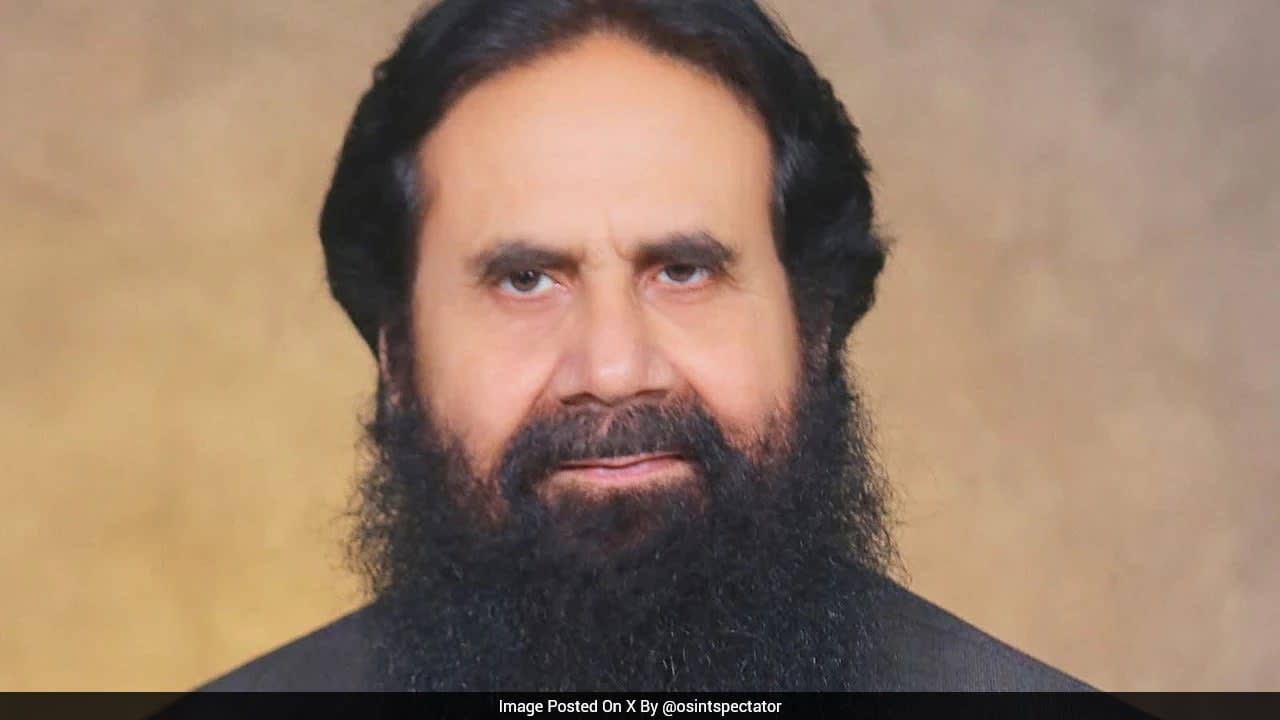
Chaudhry Mohammad Sarwar, a US-designated Lashkar-e-Taiba terrorist linked to Hafiz Saeed, has died in Lahore following a mysterious fall from a building. His death mirrors previous incidents involving high-profile figures within the terror network.
The Mysterious Demise of a Lashkar-e-Taiba Operative
Recent reports confirm the death of Chaudhry Mohammad Sarwar, a figure identified by the United States as a global terrorist affiliated with Lashkar-e-Taiba (LeT). Sarwar, who reportedly died after a fall from a building in Lahore, was a significant operative within the organization. His passing marks another chapter in the complex and often opaque landscape of militant leadership in the region, particularly regarding the inner circles of US-designated terror entities.
Connections to Global Terror Networks
Sarwar was deeply entrenched in the operational structure of Lashkar-e-Taiba, an organization infamous for the 2008 Mumbai attacks. His role was not limited to field operations; he was a key player in fundraising and held various leadership positions that allowed him to maintain strong ties with senior commanders, most notably Hafiz Saeed. Through his involvement with the Pakistan Markazi Muslim League (PMML)—a political offshoot of Saeed’s Jamaat-ud-Dawa—Sarwar served as a bridge between the militant group's illicit activities and its attempts to gain political legitimacy.
The Pattern of Mysterious Deaths
What makes Sarwar’s death particularly noteworthy is the manner in which it occurred. Falling from a building in Lahore is a circumstance that has been noted in the deaths of other high-profile figures associated with similar networks in the past. This recurring pattern of 'mysterious' incidents often sparks international speculation regarding internal purges, security agency involvement, or attempts to silence individuals who possess sensitive information about the network's funding and strategic objectives.
Geopolitical Implications
The neutralization or removal of key LeT figures often impacts the operational capacity of the group, yet the organizational structure of Lashkar-e-Taiba has historically proven resilient. As a US-designated global terrorist, Sarwar’s death is a data point in the broader campaign to dismantle the financial and leadership infrastructure of groups implicated in international terrorism. His death highlights the ongoing pressure faced by these individuals, even while they operate within their domestic strongholds.
Future Trends and Analysis
Looking forward, the death of such an operative likely complicates the transition of power within the PMML and its parent organizations. Observers will be watching to see if this incident leads to increased internal instability or if the group will consolidate its remaining assets. The lack of transparency surrounding these 'mysterious' deaths continues to obscure the internal dynamics of these organizations, leaving international intelligence agencies to piece together whether these events represent a collapse from within or a shift in the regional security paradigm.
Verification Required?