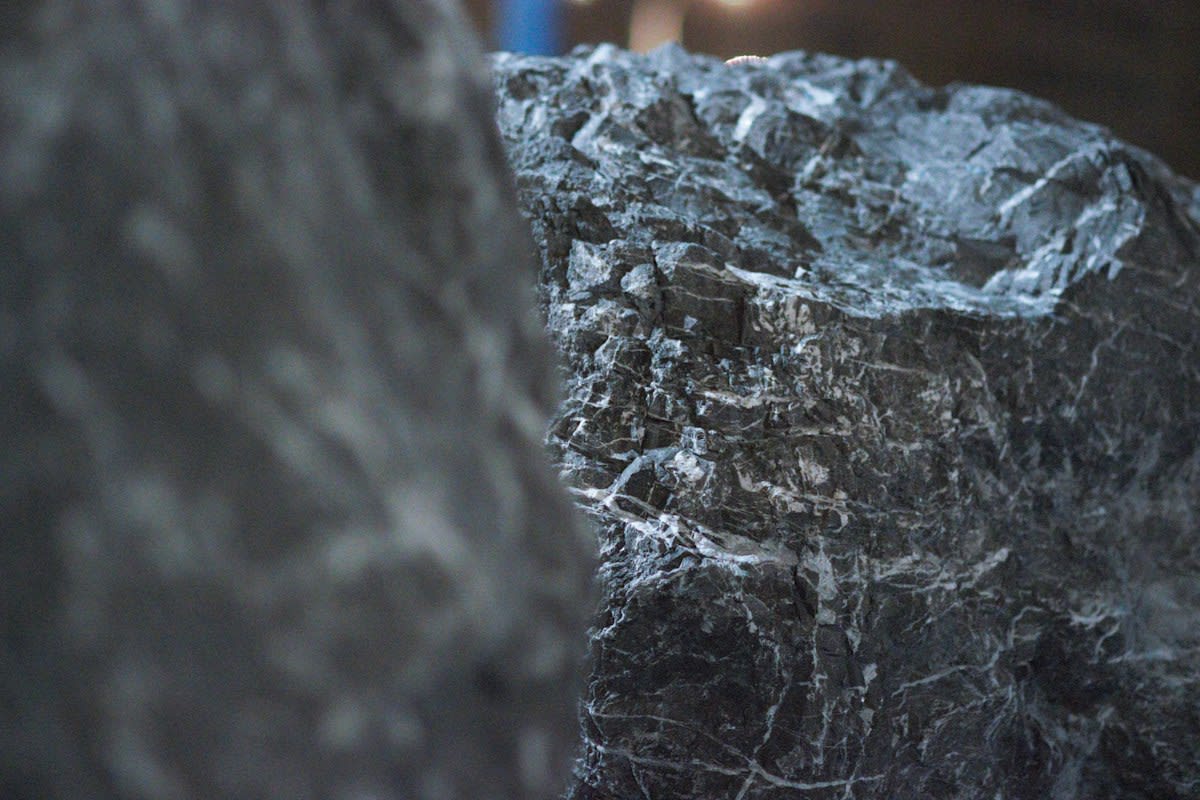
Dirt is not soil. When you strip a mountain for coal, you leave behind a sterile waste product that rejects almost every known form of vascular plant life. The chemistry creates a biological void (Source: Appalachian Environmental Study, 2018). Do we really believe that dumping synthetic topsoil fixes a broken mountain? Most reclamation projects rely on expensive, inorganic amendments that fail to recreate the complex symbiotic relationships found in old-growth forests. Biology offers a better way.
The Global Precedent for Mycoremediation
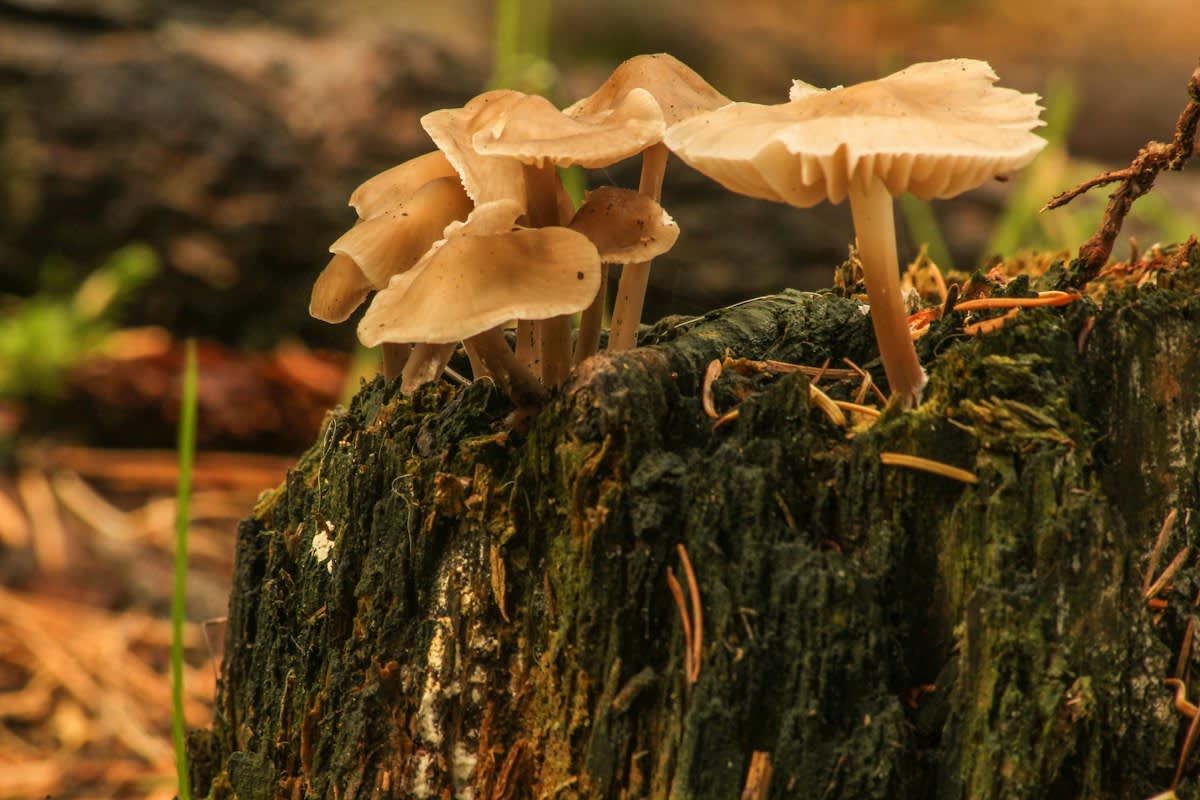
Look to China. In provinces where heavy metal contamination from mining exceeds safe levels by 400 percent, researchers utilize Pleurotus ostreatus to sequester lead and cadmium (Source: Journal of Environmental Management, 2021). Fungi eat the poison. These organisms produce extracellular enzymes that break down complex hydrocarbons and lock heavy metals into their fruiting bodies. This process cleans the terrain. In Brazil, similar interventions in iron ore tailings have shown a 30 percent increase in organic carbon within three years (Source: Brazilian Journal of Biology, 2019). Nature provides the tools.
Prerequisites: The Toolkit for Mine Restoration
Preparation is everything. You cannot simply throw spores onto raw tailings and expect a forest to emerge from the toxic sludge. Testing dictates the strategy. You will need a high-precision pH meter to identify acidic hot-spots and a suite of pure mycelial cultures tailored to specific contaminants. Access to organic bulk substrates, such as hardwood chips or wheat straw, is non-negotiable. The fungi need fuel. Ensure you have personal protective equipment, as disturbed mine spoils often release airborne particulates containing arsenic or mercury (Source: EPA Mining Waste Guidelines, 2020).
- Certified pure cultures of Pleurotus ostreatus (Oyster) or Trametes versicolor (Turkey Tail)
- Autoclaved hardwood sawdust or chopped straw for inoculum expansion
- Digital soil probes for pH, NPK, and heavy metal concentrations
- Organic compost tea for initial microbial priming
- Industrial-grade breathable bagging for mycelial colonization
The Implementation Playbook
Start with mapping. Use a grid system to identify the most toxic zones where heavy metal concentrations peak. Precision prevents waste. Once the map is set, you must build the inoculum in a controlled environment to ensure the mycelium dominates the substrate before it hits the wild. This prevents competition. Use the following steps to execute the biological deployment.
- Site Analysis: Measure the soil pH; if it falls below 4.5, apply agricultural lime to prevent fungal shock (Source: Soil Science Society, 2017).
- Substrate Preparation: Sterilize hardwood chips using heat or lime to eliminate competing molds and bacteria.
- Inoculation: Mix your chosen fungal spawn into the substrate at a ratio of 10 percent by volume.
- Incubation: Allow the mycelium to fully colonize the chips for 14 to 21 days until the material is white and solid.
- Field Deployment: Trench the colonized substrate 6 to 12 inches into the mine spoils to protect it from UV radiation and desiccation.
- Succession Planting: Introduce nitrogen-fixing legumes over the fungal beds after six months to create a symbiotic nutrient loop.
"The goal is not to create a garden, but to restart a biological engine. By introducing fungal networks, we allow the earth to perform its own detoxification, turning an industrial wasteland into a carbon sink."— Dr. Elena Vance, Senior Mycologist at the Appalachian Restoration Project
Avoid the surface. Many novices simply spread mycelium on top of the dirt. This leads to immediate failure. The harsh Appalachian sun bakes the mycelium, killing the network before it can penetrate the mineral layer. Depth provides safety. By trenching the inoculum, you create a moist micro-climate where the fungi can slowly dissolve the rock. This is where the real work happens.
The Capping Conflict: Practitioner Realities
Engineers hate this. The friction centers on a fundamental disagreement between civil engineering and biological restoration. Engineers demand immediate impermeable clay seals to stop toxic runoff. They want a fast sign-off. Mycologists argue that sealing toxins simply pushes the problem deeper into the groundwater, whereas fungi actually dismantle the pollutants. This creates a boardroom war. One side prioritizes a clean balance sheet; the other prioritizes a living forest.
Failures are common. I once saw a project in West Virginia collapse because the team used pine chips instead of hardwood. The resins in the pine inhibited the mycelial growth. The site stayed dead. This taught us that the purity of the substrate is as critical as the strain of the fungus. Precision saves the project.

Measuring Success and Bio-accumulation
Test the fruit. Fungi are bio-accumulators, meaning they pull toxins from the soil and concentrate them in the mushrooms. Do not eat them. Testing the mushrooms reveals the exact amount of toxins removed from the terrain. A reduction of 20 percent in soil lead levels over two years is a victory (Source: Myco-Remediation Quarterly, 2022). This proves the process works.
Fact-Check & Accuracy Note
Verify these claims through the EPA's Superfund program data and the peer-reviewed studies in the Journal of Environmental Quality. There is an ongoing academic debate regarding the long-term stability of sequestered metals in fungal biomass and whether they can leach back into the soil if the fungi decay without proper succession planting.
Common Pitfalls to Avoid
Ignoring pH kills. If the soil is too acidic, the mycelium will simply stall. This is a common mistake. You must buffer the soil with lime or calcium carbonate before introducing the spawn. Lack of water also fails. In the dry Appalachian summers, fungal networks can desiccate in forty-eight hours. Irrigation is a requirement. Without moisture, the biological engine stops.
Editorial Note
Editorial Note: This guide focuses on fungal intervention as a primary catalyst for soil creation. While mechanical capping is faster for regulatory compliance, the biological approach provides the only long-term staying power for the ecosystem.