The Pivot from Resurrection to Resilience
For decades, the conversation around de-extinction felt like a sci-fi fever dream. We talked about mammoths and dodos as trophy projects for the ultra-wealthy or academic curiosities. But as of late 2026, the narrative has shifted. We are no longer just talking about bringing back the dead; we are talking about the 'Genetic Rescue' of the living. The goal has pivoted toward using the blueprints of extinct animals to identify traits—heat tolerance, disease resistance, or dietary flexibility—that can be edited into current endangered populations to help them survive a volatile climate.
This shift is most evident in the recent milestones achieved by Colossal Biosciences. The industry is moving with a speed that was unthinkable five years ago. The birth of the pups Romulus, Remus, and Khaleesi marks a watershed moment. These are not just animals; they are the result of a genomic blueprint synthesized from a 13,000-year-old tooth and a 72,000-year-old ear bone (Source: RNZ, 2026). This level of precision suggests that the 'delta' between ancient DNA and viable life is shrinking rapidly, turning paleogenetics into a viable toolkit for active biological management.
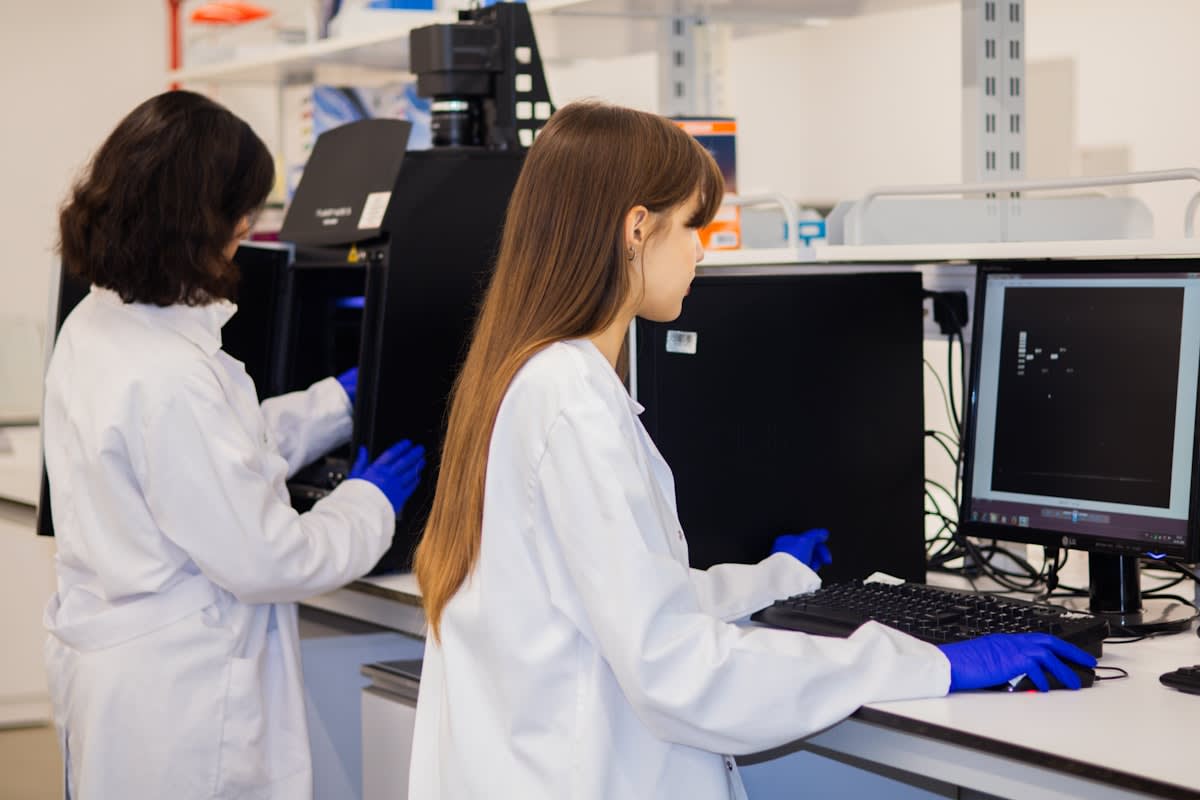
"The technology Colossal Biosciences develops from the moa de-extinction process has immediate conservation applications for native birds on the brink of extinction in Aotearoa."— Andrew Pask, Chief Biology Officer at Colossal Biosciences
The Global Pipeline: From Dallas to Aotearoa
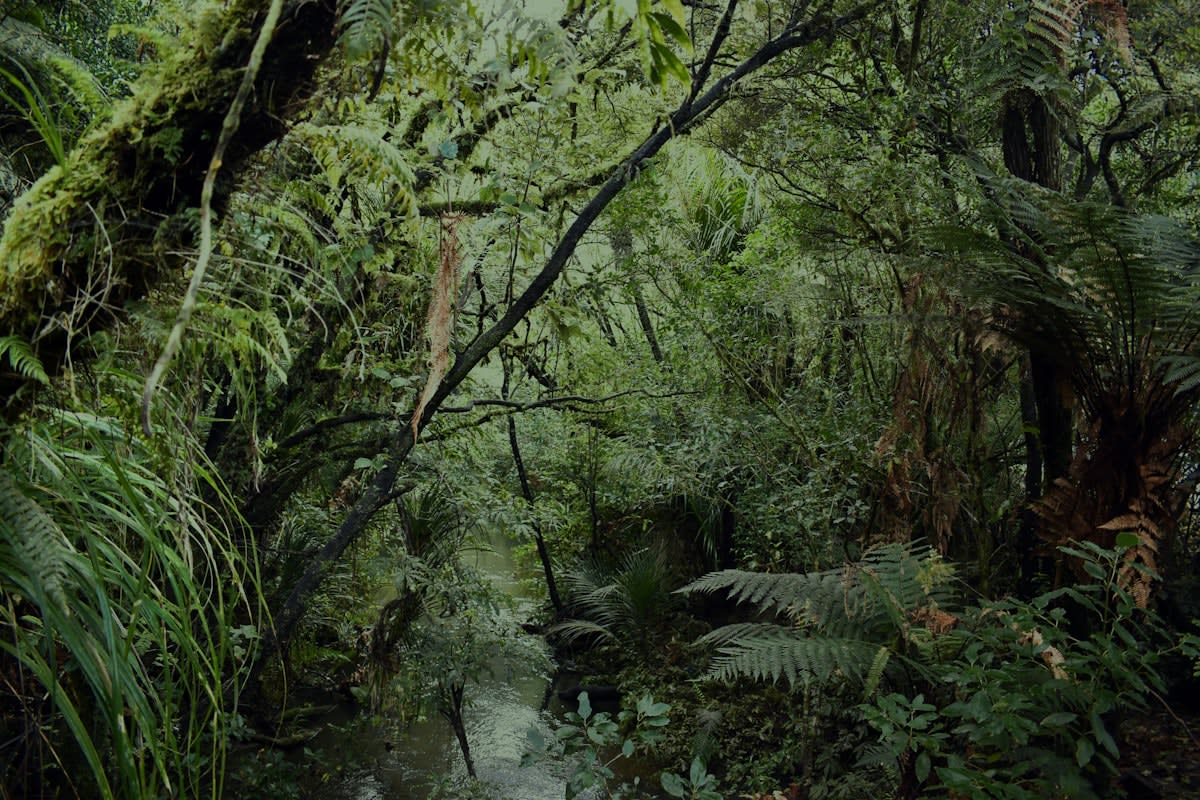
The actual execution of these projects reveals a sophisticated, globalized industrial chain. It is no longer the work of a single lab in a basement. Take the current effort to revive the moa. The process is split across hemispheres to leverage specific regional expertise. The genome engineering—the heavy lifting of CRISPR and synthetic biology—happens in Dallas, Texas. Once the blueprint is finalized, the project shifts to New Zealand for the assisted reproductive technology (ART) phase (Source: RNZ, 2026). This division of labor reflects a new industry standard: centralized genetic design and localized biological implementation.
In the New Zealand phase, the focus moves to artificial egg technologies and surrogate bird species. This is where the theoretical becomes physical. The complexity here isn't just in the DNA, but in the biological 'hardware' required to incubate a species that hasn't walked the earth in centuries. By perfecting these artificial egg technologies for the moa, researchers are inadvertently creating a lifeline for existing native birds that suffer from low fertility or genetic bottlenecks (Source: RNZ, 2026).

However, the technology is only half the battle. As highlighted by recent discourse, bringing a species back requires more than a lab-grown embryo; it requires a reconstructed ecosystem. If the habitat that supported the moa no longer exists, the animal becomes a prisoner of its own resurrection (Source: Cosmoknowledge, 2026). This realization is forcing paleogeneticists to collaborate with ecologists to ensure that 'updated' species have a place to land.
The Friction: Lab Ambition vs. Field Reality
Inside the industry, there is a simmering tension between the 'blue-sky' genomicists and the boots-on-the-ground conservationists. From a practitioner's perspective, the debate isn't about whether the science is possible, but whether it is prudent. Field biologists often view these projects as expensive distractions. They argue that the millions of dollars poured into reviving a single extinct species could be used to save ten living ones from the brink (Source: NZ News Hub, 2026). This friction is the defining internal conflict of modern conservation biology.
Then there is the nightmare of biosecurity. In a country like New Zealand, where the ecological balance is precarious, introducing a 'new' old species is a regulatory minefield. Under current biosecurity laws, any revived moa would not simply be released into the wild; it would be subject to strict quarantine in facilities like the Orana Wildlife Park in Christchurch (Source: RNZ, 2026). The logistical overhead of managing a de-extinct species—quarantine, monitoring, and controlled breeding—often dwarfs the cost of the genetic engineering itself.
"Millions of dollars could be better spent protecting living species."— Associate Professor Nic Rawlence, University of Otago
This creates a paradox: the very tools developed to save species are being funded by the desire to bring back the extinct. While the end goal of the moa project is 'restoring the past for a better future,' the immediate utility lies in the spin-off technologies. The artificial eggs and genomic editing tools are the real prize, providing a toolkit for resilience that can be applied to any endangered bird, regardless of whether its ancestors are still alive (Source: RNZ, 2026).
Strategic Comparison: Old vs. New Conservation
| Feature | Traditional Conservation | Paleogenetic Rescue |
|---|---|---|
| Primary Goal | Habitat preservation & population growth | Trait introduction & genomic updating |
| Methodology | Captive breeding & protected areas | CRISPR, synthetic DNA & ART |
| Time Horizon | Immediate/Short-term stability | Long-term evolutionary adaptation |
| Risk Profile | Low risk, slow results | High regulatory risk, rapid technical leaps |
The delta we are seeing today is a shift in the definition of 'natural.' We are moving away from the idea that a species must remain genetically static to be authentic. Instead, the new trend is 'assisted evolution.' By mining the DNA of the past, we are essentially downloading patches for the biological software of the present. This is an opportunistic approach to biodiversity—using the dead to ensure the living don't follow them.
Fact-Check & Accuracy Note
This article relies on reports from RNZ (August 2026), NZ News Hub, and Cosmoknowledge. Key claims regarding the birth of dire wolf pups and the moa project's operational structure (Dallas to NZ) are sourced from RNZ. The debate over funding and biosecurity is attributed to Associate Professor Nic Rawlence of the University of Otago. Ongoing debates in the field include the ethical allocation of conservation funds and the ecological impact of reintroducing extinct traits into modern ecosystems.
Insider Perspective
Editorial Note: The author has observed that while the media focuses on the 'spectacle' of de-extinction, the real industry shift is toward the 'Conservation Technology' sector. The value is not in the animal, but in the intellectual property of the reproductive and editing processes.