MEA rejects OIC’s ‘anti-India’ references, accuses Pakistan of orchestrating them
Source Entity
India Latest News: Top National Headlines Today & Breaking News | The Hindu
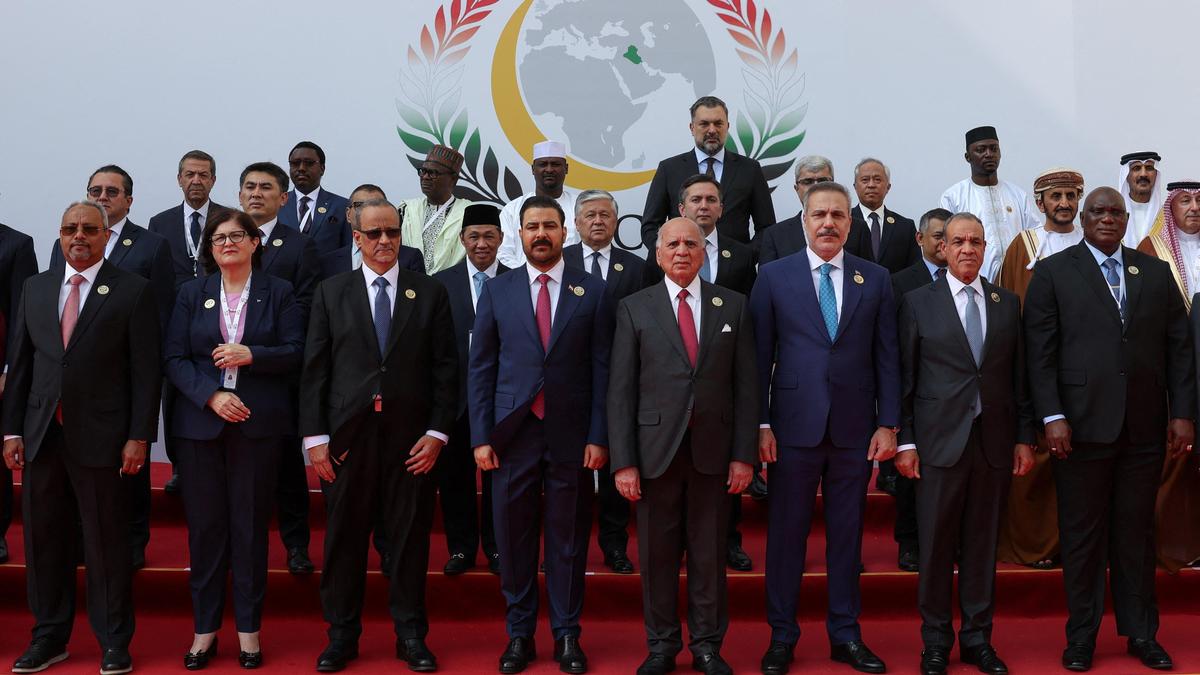
The Indian Ministry of External Affairs has officially rejected recent OIC resolutions regarding Jammu and Kashmir. India labeled the references as biased, malicious, and a result of Pakistan's political manipulation of the organization.
India Rejects OIC Resolutions on Jammu and Kashmir
On October 19, 2026, the Indian Ministry of External Affairs (MEA) issued a formal and stern rejection of the resolutions adopted by the Organization of Islamic Cooperation (OIC) during its 52nd Council of Foreign Ministers’ meeting in Baghdad. The Indian government characterized the references made to the Union Territories of Jammu and Kashmir and Ladakh as "malicious, biased and false," asserting that the OIC has been consistently manipulated to serve a specific national agenda.
The Accusation of External Manipulation
The core of the MEA’s statement is the allegation that the OIC is being "misused" by Pakistan. According to the Indian government, the OIC has allowed itself to become a platform for Pakistan’s "bigoted agenda," thereby compromising its own credibility on the international stage. By identifying Pakistan as the primary architect behind these resolutions, India is highlighting a long-standing diplomatic tension where New Delhi views the OIC not as a neutral multilateral body, but as an entity prone to influence by a single member state to propagate anti-India narratives.
Sovereignty and Locus Standi
Central to India's diplomatic stance is the firm insistence that the OIC possesses no locus standi—or legal standing—to comment on matters that are strictly internal to India. The MEA reiterated that Jammu and Kashmir, along with Ladakh, are integral and inalienable parts of the Indian Union. This rejection serves as a reaffirmation of India's policy that internal administrative and political decisions regarding its territories are sovereign matters and are not subject to the oversight or commentary of external religious or regional organizations.
Challenging the Credibility of the OIC
By labeling the OIC’s actions as "politically motivated propaganda," the Indian government is actively challenging the institutional integrity of the organization. The MEA’s statement suggests that by prioritizing narrow political goals over objective discourse, the OIC is undermining its reputation. This diplomatic friction underscores a broader trend in India’s foreign policy, which has become increasingly assertive in calling out international bodies when it perceives its territorial sovereignty or national interests are being misrepresented.
Future Implications for Diplomatic Relations
This incident in Baghdad reflects a continued standoff between India and the OIC. Moving forward, it is likely that India will maintain its stance of non-engagement with OIC resolutions that touch upon its domestic affairs. The persistent rejection of these resolutions serves as a clear signal to both the organization and its member states that India will continue to prioritize its constitutional reality over external political pressure. As regional dynamics in the Middle East and South Asia evolve, India's refusal to recognize the OIC’s authority on these issues remains a cornerstone of its defensive diplomatic strategy.
Verification Required?