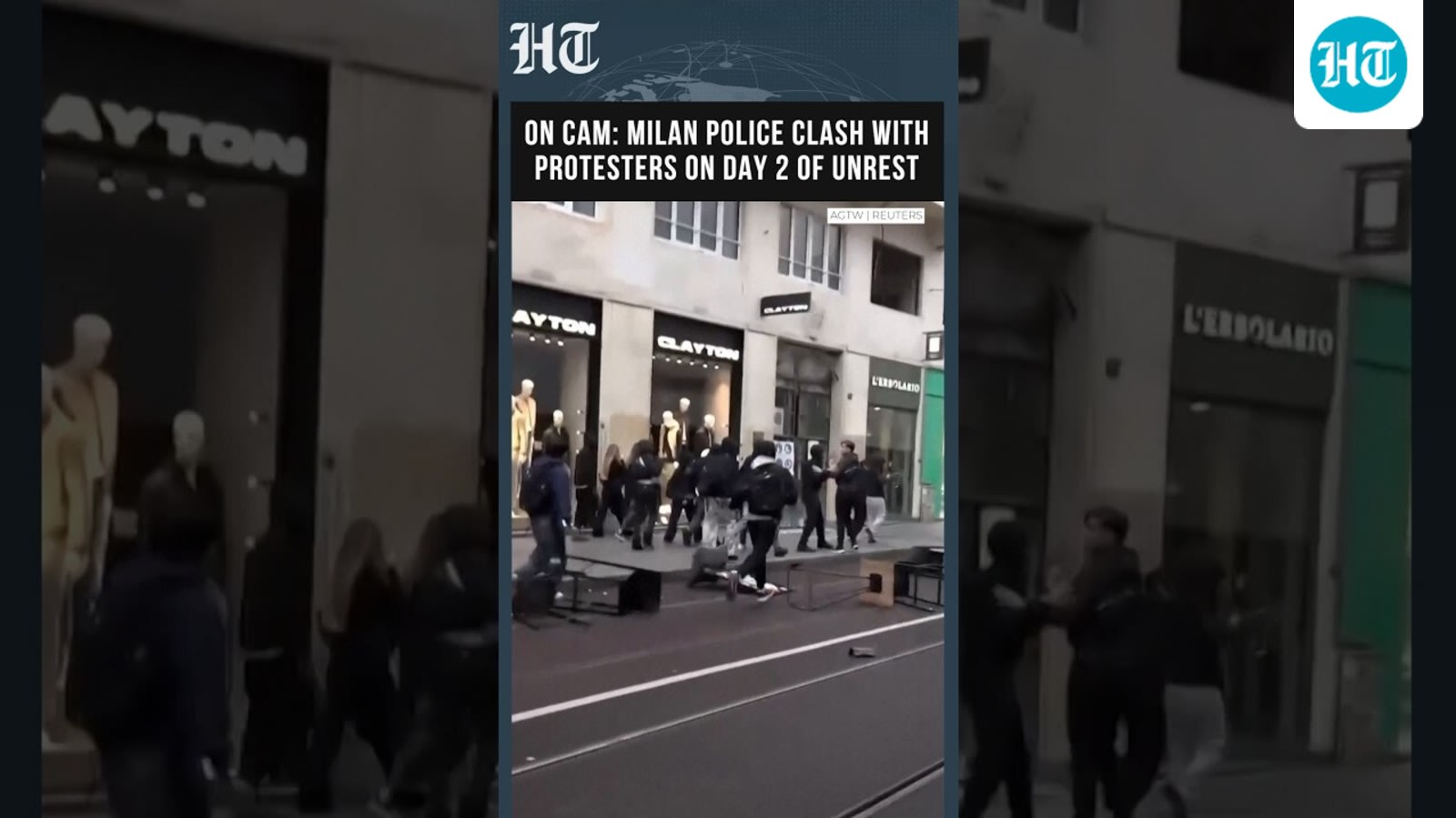
Milan Unrest: Police Clash With Protesters as Tear Gas and Water Cannons Deployed on Day 2
Source Entity
Latest News: Todays Latest News Headlines from India & World | Hindustan Times | Hindustan Times
France is experiencing widespread civil unrest fueled by public frustration over rising living costs and deteriorating public services. Protests have escalated into violent clashes with police, resulting in significant property damage, including the burning of a historic town hall.
The Roots of French Civil Unrest
France is currently grappling with a wave of intense civil unrest, characterized by widespread protests that have evolved from expressions of public grievance into violent confrontations. At the heart of this volatility lies deep-seated frustration regarding the rising cost of living and a perceived decline in the quality of public services. These economic pressures have acted as a catalyst for citizens to take to the streets, signaling a breakdown in the traditional social contract between the state and its populace.
Escalation and Public Order
The situation reached a critical point on October 17, as demonstrations across several French cities descended into chaos. Reports confirm that the unrest involved significant property damage, including looting and the destruction of an iconic town hall by fire. In response to the escalating violence, authorities have deployed heavy tactical measures, including tear gas and water cannons, to disperse crowds and regain control of urban spaces. These clashes highlight the precarious balance the government must maintain between upholding the right to protest and ensuring public safety.
The Economic and Social Catalyst
The primary driver of this unrest is the economic strain felt by the average French citizen. As inflation impacts daily necessities—most notably fuel prices and basic goods—the government faces mounting pressure to address these systemic issues. The destruction of municipal infrastructure reflects a symbolic and physical rejection of the current administrative status quo, suggesting that protesters feel their voices are not being adequately heard through conventional political channels.
Regional Comparisons and Broader Trends
This phenomenon is not isolated to France; similar demonstrations have been observed in other European nations, such as Italy, where police also clashed with protesters in Milan. These regional parallels suggest a broader European trend of public dissatisfaction tied to economic instability. When multiple nations face simultaneous challenges regarding governance and cost-of-living crises, it often points to a systemic failure to insulate vulnerable populations from global economic volatility.
Future Implications for Governance
The immediate future remains uncertain as authorities continue to assess the security situation. The government’s ability to stabilize the country will depend on its capacity to respond to the protesters' grievances while simultaneously curbing the violence that threatens public order. Failure to address these underlying economic anxieties risks further destabilization, potentially leading to more frequent and intense confrontations between the state and its citizens in the coming months.
Multiple Citing Sources
Verification Required?