Buildings ablaze, petrol bombs hurled at parliament: Albania protests in 10 videos
Source Entity
TRISHA MAHAJAN
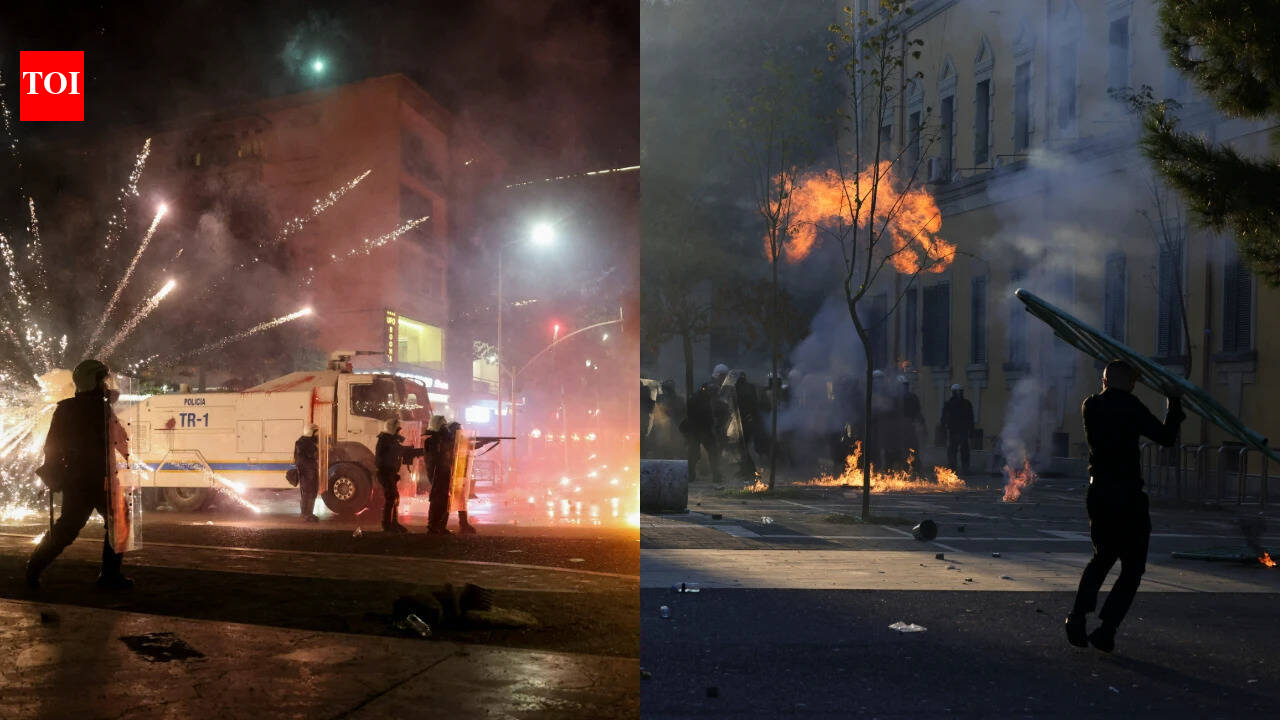
Violent anti-government protests have erupted in Tirana, Albania, as demonstrators demand the resignation of Prime Minister Edi Rama over corruption and economic grievances. Clashes between protesters using petrol bombs and police utilizing riot control measures have resulted in multiple injuries and significant property damage.
Escalating Unrest in Tirana: The Albania Protests
Albania is currently grappling with a severe wave of civil unrest as thousands of citizens have taken to the streets of Tirana to demand the resignation of Prime Minister Edi Rama. The demonstrations, which have now entered their seventh day, have transitioned from peaceful calls for reform into intense, violent confrontations between protesters and state security forces. The atmosphere in the capital has become increasingly volatile, with reports of buildings set ablaze, storefronts smashed, and government infrastructure directly targeted by the crowds.
Roots of the Conflict: Corruption and Economic Strain
The driving forces behind this widespread public discontent appear to be deep-seated. Protesters have explicitly cited rampant government corruption as a primary grievance, reflecting a broader societal frustration with the current administration's perceived lack of transparency. Furthermore, economic pressures, specifically the high cost of university tuition, have mobilized the youth and academic sectors, turning the education ministry into a focal point of the rallies. These factors, combined with a general sense of political stagnation, have created a volatile environment ripe for escalation.
Tactical Confrontations and Escalation
The nature of the protests has become increasingly militant. Demonstrators have resorted to the use of petrol bombs and stones against riot police, while simultaneously targeting symbols of state authority, including banks, police stations, and the entrance to the interior ministry. In response, the Albanian police have utilized heavy-handed crowd control measures, including the deployment of water cannons, tear gas, and rubber bullets. The result has been a cycle of violence that has left several individuals on both sides of the barricades injured.
The Role of State Infrastructure
It is significant that the protesters have chosen to target state infrastructure rather than merely occupying public squares. By attacking the interior ministry and local police stations, the demonstrators are signaling a direct challenge to the state's monopoly on force. This tactical shift suggests that the protesters view the current government institutions as complicit in the systemic issues they are protesting, thereby deepening the legitimacy crisis facing Prime Minister Rama’s administration.
International Implications and Future Outlook
The international community is observing the situation in Tirana with growing concern. Global organizations have already begun issuing calls for an immediate, peaceful resolution to the mounting tensions, fearing that further instability could jeopardize Albania's regional standing and domestic security. Looking forward, the longevity of these protests will likely depend on the government's willingness to engage in dialogue versus a continued reliance on security forces. Without a concrete plan to address the underlying issues of corruption and tuition costs, the potential for further civil strife remains high.