
The global medical community is currently obsessed with the number on the scale. From clinics in London to metabolic centers in Tokyo, GLP-1 receptor agonists have become the gold standard for rapid weight reduction. But there is a quiet, persistent debate happening in the hallways of endocrinology wards. The question is no longer how much weight a patient can lose, but what exactly is being lost. We are seeing a systemic shift where the pursuit of a lower BMI is inadvertently triggering an erosion of skeletal muscle, a phenomenon that threatens to replace one metabolic crisis with another.
Weight loss is rarely a surgical strike on adipose tissue. When the body enters a significant caloric deficit, it doesn't just burn fat; it scavenges. In the case of GLP-1 therapies, this process is accelerated. Some reports indicate that 25% to 40% of the total weight loss observed with these medications may actually be skeletal muscle mass or other fat-free mass (Source: Medscape, 2026). This isn't just a statistical quirk. It is a fundamental biological trade-off that can lead to sarcopenia, a clinically recognized syndrome defined by the age-related loss of skeletal muscle mass and strength (Source: Nature, 2026).

The Practitioner's Friction: Quality vs. Quantity
On the ground, the tension is palpable. Many practitioners are caught between the immediate victory of a patient's shrinking waistline and the long-term dread of muscle wasting. The friction arises during follow-up appointments when a patient looks thinner but feels weaker. There is a messy reality here: patients often ignore the fatigue or the slight loss of grip strength because the scale is moving in the right direction. Clinicians are now arguing over whether the cardiovascular benefits of rapid weight loss outweigh the risks of losing the metabolic engine provided by skeletal muscle.
"Anytime you lose weight you are going to lose muscle... With a GLP-1, it’s likely to be more muscle loss."— Michelle Gordon, DO, Obesity Medicine Specialist
This loss isn't just about aesthetics or athletic performance. Muscle is a primary site for glucose disposal and metabolic regulation. By shedding lean mass, patients may inadvertently compromise their metabolic resilience. This is why the conversation is shifting toward the quality of weight loss. If a patient loses 20 kilograms but 8 kilograms of that is muscle, they have fundamentally altered their basal metabolic rate, potentially making long-term weight maintenance a steeper uphill battle.
The Biological Trigger and the Nutritional Response
Why does this happen? GLP-1s induce profound satiety, which often leads to a drastic reduction in overall protein intake. When the body lacks the amino acid building blocks required for muscle maintenance, it begins to break down its own tissues to fuel essential functions. This is a global challenge. In various regions, the dietary habits of patients vary, but the biological requirement for protein remains constant. The result is a widespread need for targeted nutritional intervention to prevent the 'skinny fat' phenomenon.
- Increased protein intake tailored to individual patient needs to provide necessary amino acids (Source: Medscape, 2026).
- Consistent strength training, with recommendations of 20 minutes twice a week to signal the body to retain muscle (Source: Medscape, 2026).
- Close monitoring of lean mass via body composition analysis rather than relying solely on a standard scale (Source: Chain Drug Review, 2026).
Consumers are starting to wake up to this reality. We are seeing a shift in purchasing behavior as users move away from vague wellness marketing and toward actual nutritional substance. According to research from the National Frozen and Refrigerated Association, 31% of GLP-1 users are becoming more selective with their purchases, while 30% are carefully planning their meals and snacks to fit their specific dietary needs (Source: FoodNavigator, 2026). This indicates a growing awareness that the medication is only one part of the equation.
The Pharmaceutical Frontier: Engineering Muscle Preservation
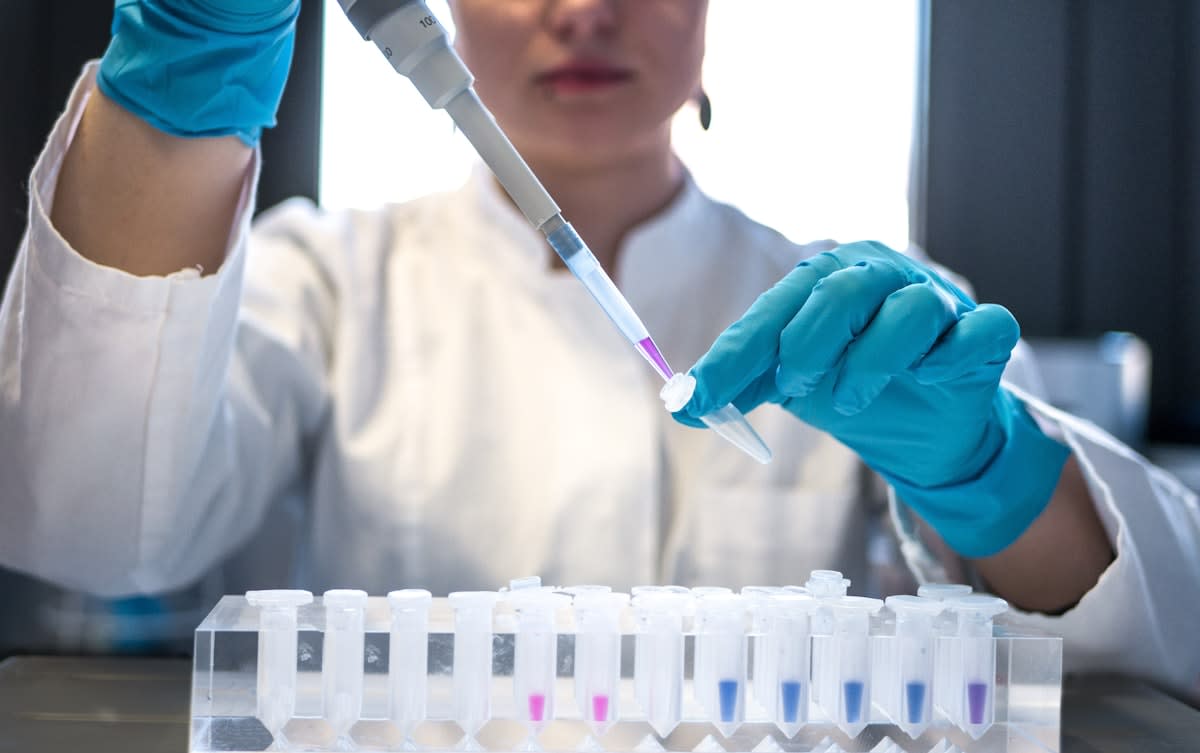
The industry is not ignoring this flaw. A new wave of pharmacological interventions is emerging to decouple fat loss from muscle loss. The goal is to create a synergistic effect where GLP-1s handle the adipose tissue while other agents protect the muscle. Researchers are targeting specific pathways, such as the blockade of activin type II receptors, which has been shown to preserve skeletal muscle mass while actually enhancing fat loss during GLP-1 receptor agonism (Source: Nature, 2026).
| Intervention Strategy | Biological Target | Expected Outcome |
|---|---|---|
| Activin Type II Blockade | Activin/GDF8 receptors | Preserved muscle mass + Enhanced fat loss (Source: Nature, 2026) |
| 15-PGDH Inhibition | Gerozyme 15-PGDH | Promotes muscle repair and strength recovery (Source: Nature, 2026) |
| Myostatin Inhibitors | Anabolic signaling | Increased muscle strength and mass (Source: Nature, 2026) |
| Strength Training | Mechanical load/mTOR | Reduction in lean mass loss (Source: Medscape, 2026) |
The pipeline is aggressive. Regeneron Pharmaceuticals is currently conducting the phase 2 COURAGE trial, which aims to confirm the potential of improving the quality of semaglutide-induced weight loss by specifically preserving lean mass (Source: Nature, 2026). Simultaneously, other research is exploring 15-PGDH inhibition to promote muscle repair and strength recovery during the weight loss process (Source: Nature, 2026). These are not just incremental updates; they represent a fundamental pivot in how obesity is treated—from simple weight reduction to comprehensive body composition management.
Unexpected Dividends: The Respiratory Connection
While the muscle loss narrative dominates the skepticism, GLP-1s are showing surprising benefits in other systemic areas. In the UK, researchers examining medical records of people with airway diseases found that GLP-1 users were significantly less likely to report flare-ups of asthma or chronic obstructive pulmonary disease (COPD) compared to those taking other diabetes drugs (Source: Gizmodo, 2026). This suggests that the systemic anti-inflammatory effects of these drugs might extend beyond metabolic health.
"While the findings suggest that some people taking GLP-1 receptor agonists may experience fewer respiratory attacks, this needs confirmation in clinical trials."— Chloe Bloom, Respiratory Epidemiologist at Imperial College London
This duality—the risk of muscle loss versus the potential for respiratory improvement—highlights the complexity of these medications. They are not simple appetite suppressants; they are powerful systemic modulators. The challenge for the next decade will be refining these tools so that we can harvest the respiratory and adipose benefits without sacrificing the skeletal integrity of the patient.
Editorial Note: The Sarcopenia Debate
The primary debate in the field currently centers on the exact percentage of lean mass loss. While some reports cite 25-40%, others argue this varies wildly based on protein intake and exercise. The consensus is shifting toward a mandatory 'muscle-first' protocol for all GLP-1 prescriptions.
Fact-Check & Accuracy Note
Key claims regarding muscle loss percentages (25-40%) are sourced from Medscape (2026). Pharmaceutical trial data, including the COURAGE trial and 15-PGDH research, are sourced from Nature (2026). Respiratory data is attributed to Imperial College London via Gizmodo (2026). Consumer behavior statistics are sourced from the NFRA via FoodNavigator (2026).