'Constantly on my mind' - 9/11 agony goes on for bereaved, 25 years on
Source Entity
BBC News
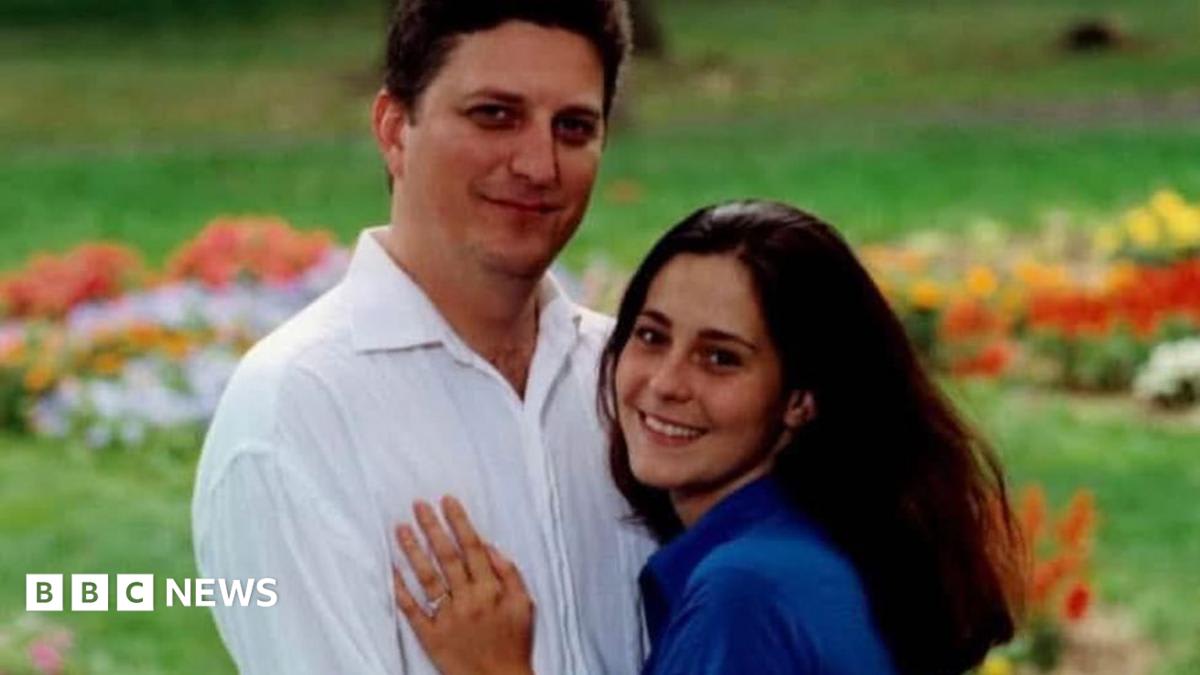
As the 25th anniversary of 9/11 approaches, families of victims continue to suffer as the trial for the alleged mastermind remains stalled. The lack of legal closure after a quarter-century highlights a profound failure in the pursuit of justice for the nearly 3,000 lives lost.
The Unending Agony: A Quarter-Century of Seeking Justice
As the 25th anniversary of the September 11 attacks approaches, the United States faces a somber milestone. The event, officially characterized by the government as the "most egregious criminal act on American soil in modern history," remains a gaping wound for the families of the nearly 3,000 individuals who perished. While the physical landscape of New York City and the Pentagon has been rebuilt, the judicial landscape remains frozen, with the trial of the alleged mastermind still pending after twenty-five years.
The Human Cost of Legal Stagnation
The emotional toll on survivors is exemplified by the story of John Resta and his wife, Sylvia. Their lives, along with their unborn child, were stolen on that morning in 2001. In the days leading up to the tragedy, they were preparing a nursery decorated with characters from Blue's Clues, a poignant reminder of the domestic normalcy shattered by terrorism. For family members like Tom Resta, the absence of a trial is not merely a procedural delay; it is an ongoing denial of closure that prevents the finality required for true healing.
The Complexity of the Legal Process
The delay in bringing the accused to justice stems from a labyrinthine legal process involving military commissions and complex jurisdictional challenges. Over the decades, these proceedings have been marred by motions, evidentiary disputes, and the fundamental difficulty of balancing national security interests with the requirements of a fair, public trial. As time passes, the fear among bereaved families is that the window for justice is closing, as key witnesses age or pass away and the urgency of the legal system seems to dissipate.
Broader Implications for National Memory
This delay reflects a broader struggle in American history: the tension between the desire for retribution and the commitment to due process. When a crime is as monumental as 9/11, the expectation for a swift judicial resolution is high. The failure to meet this expectation has turned the legal process into a second source of trauma for victims’ families. It poses a significant challenge to the national narrative, suggesting that even the most high-profile crimes can become lost in bureaucratic limbo.
Future Trends and the Search for Closure
Looking forward, the legal system faces a race against time. As the 25th anniversary serves as a focal point for public reflection, the pressure on the government to resolve these trials will likely intensify. However, the reality remains that for many families, justice delayed is justice denied. The legacy of 9/11 will continue to be defined not just by the tragedy itself, but by how the state ultimately accounts for it. Without a definitive trial, the sense of "agony" described by the bereaved will likely persist as a permanent feature of the post-9/11 era.