Nepal floods: The family in the photograph
Source Entity
Devansh Mittal, Tashi Tobgyal
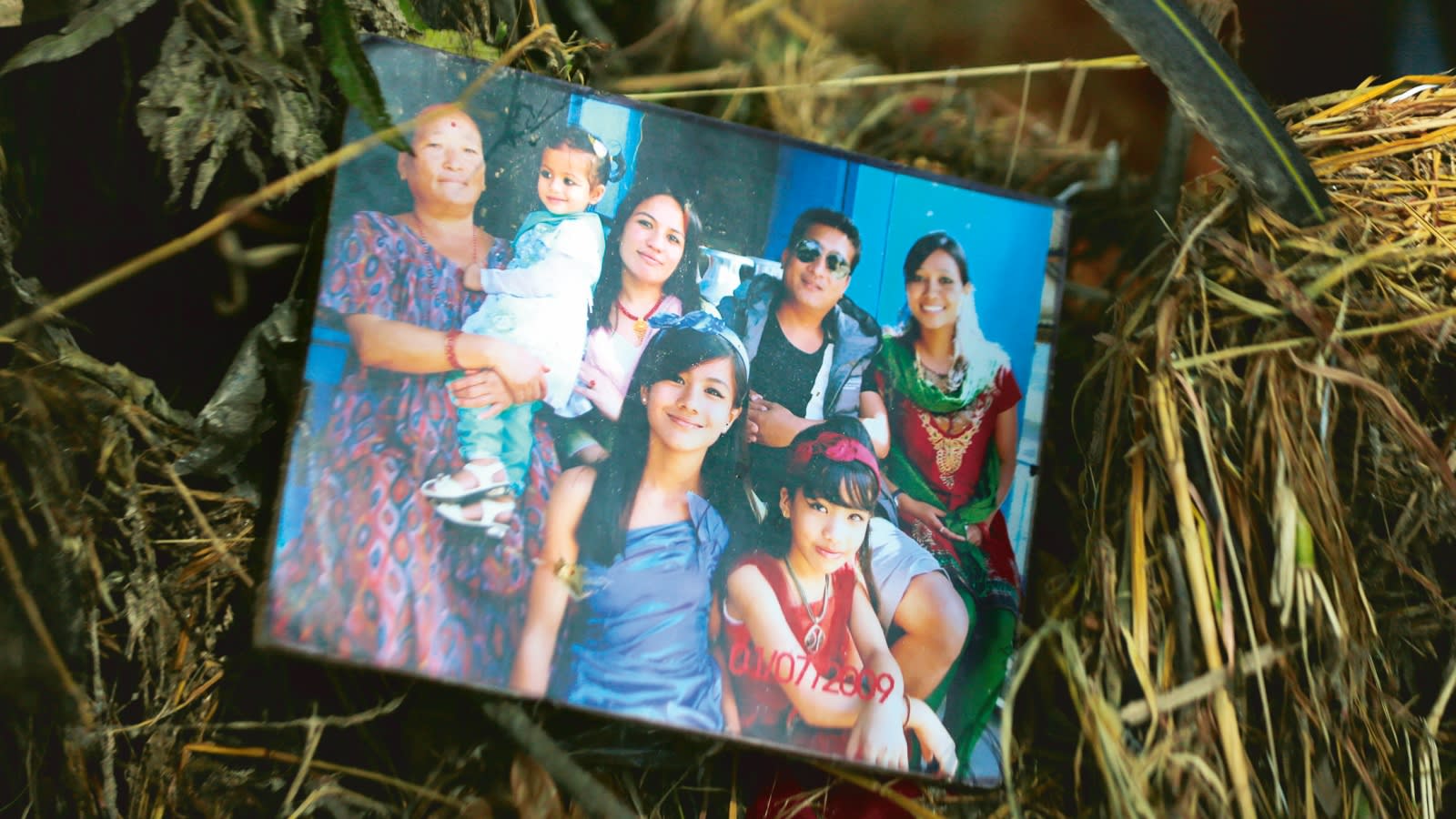
Devastating flash floods in Nepal's Betrawati village have left widespread destruction, symbolized by a recovered photograph of a missing family. The tragedy highlights the severe impact of the August 26 disaster on local communities near the Trishuli River.
The Human Cost of Nepal’s Flash Floods
The recent flash floods that devastated parts of Nepal, specifically the village of Betrawati located approximately 80 km north of Kathmandu, serve as a harrowing reminder of the power of nature. On August 26, the Trishuli River surged with unprecedented force, transforming from a vital waterway into a destructive torrent of mud and debris. The physical landscape, now caked in thick, suffocating silt, bears witness to the intensity of the event, with buildings compromised up to the fourth floor and vegetation uprooted and tangled in the remnants of human life.
A Symbol of Lost Lives
Amidst the absolute devastation, where trees are choked with shredded clothing and homes have been reduced to skeletons of mud-caked masonry, a singular object was recovered: a photograph of a family of seven. The image, depicting a smiling, joyous group, stands in stark contrast to the surrounding ruin. Finding this artifact at the base of a tree in a village now largely emptied of its residents underscores the profound psychological and emotional toll of this disaster, acting as a poignant anchor for the search for survivors and the missing.
The Anatomy of the Disaster
Betrawati’s experience is emblematic of the broader catastrophe that struck the region. The sheer volume of mud and debris indicates that the flood was not merely a rise in water levels but a catastrophic debris flow. Such events are often exacerbated by the unique topography of the Himalayan foothills, where rapid water accumulation can cause slopes to give way, carrying massive amounts of sediment downstream. This 'colour of mud' described by observers is a hallmark of the severe geological impact left by these floods.
Displacement and Community Disruption
For the residents of Betrawati, the aftermath has been one of displacement. With homes rendered uninhabitable or destroyed, the population has been forced to seek refuge in temporary relief camps or relocate to the homes of relatives in higher, safer reaches of the terrain. The community structure has been effectively fractured, with the local census of the dead and missing continuing to be the primary focus for authorities and aid workers navigating the mud-streaked ruins.
Looking Toward Recovery
As the region moves from the immediate search-and-rescue phase to the long-term process of recovery, the challenges remain daunting. The destruction of infrastructure and the loss of personal property create significant barriers for returning residents. The recovered photograph remains a haunting testament to the families impacted by the August 26 event, serving as a reminder that behind every statistic of the 'missing' is a story of a community that was, until very recently, vibrant and intact.
Conclusion
The tragedy in Betrawati is a localized manifestation of a larger environmental crisis. While the immediate recovery efforts focus on locating those lost to the Trishuli’s surge, the broader implications involve assessing the vulnerability of mountain villages to flash flooding. The persistence of the mud and the recovery of such personal artifacts ensure that the memory of this event will remain etched into the social fabric of the region for years to come.