The world's highest paid leader is set for a 64% pay rise. Here's how others compare
Source Entity
US Top News and Analysis
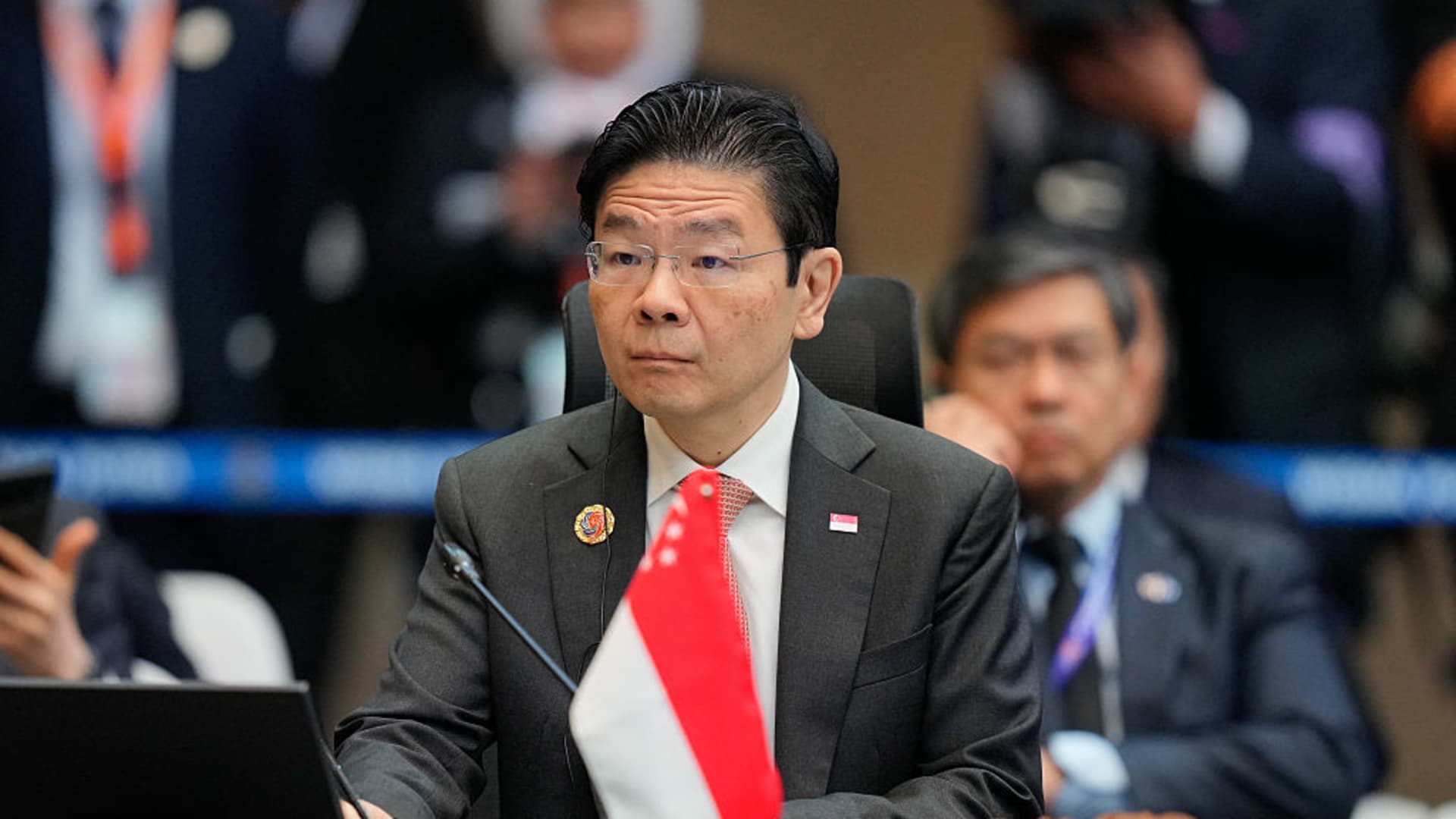
Singapore Prime Minister Lawrence Wong has announced a 64% salary increase, raising his annual pay to 3.6 million Singapore dollars. While the government justifies the hike as necessary to attract talent and prevent corruption, the move has faced public criticism amid cost-of-living concerns.
Singapore PM Salary Hike: A Deep Dive into Governance and Compensation
Singapore’s political landscape has long been defined by a unique approach to governance, one that includes paying its leaders significantly higher salaries than their global counterparts. Recently, Prime Minister Lawrence Wong announced that ministerial salaries, which had remained stagnant for 15 years, will be adjusted upward. This adjustment will see Wong’s own annual compensation package rise from 2.2 million Singapore dollars to 3.6 million Singapore dollars, cementing his position as the world's highest-paid political leader.
The Rationale: Talent and Integrity
The Singaporean government maintains a long-standing philosophy that high public sector salaries are essential for two primary reasons: attracting top-tier talent from the private sector and discouraging systemic corruption. By offering compensation competitive with corporate executive roles, the government argues it can recruit highly skilled individuals who might otherwise avoid public service. This model is designed to ensure that the administration remains efficient and free from the financial temptations that often plague political offices in other nations.
Public Sentiment and Economic Context
Despite the government's strategic justification, the announcement of a $1 million (approx. 1.4 million SGD) increase has not been without controversy. Singapore is currently navigating complex economic challenges, including concerns regarding job security and the rising cost of living. For many citizens, the optics of such a significant raise for the nation's highest-paid official are difficult to reconcile with their own day-to-day financial struggles, leading to vocal criticism of the policy.
The Prime Minister’s Response
In an effort to mitigate the backlash and demonstrate a commitment to public service, Prime Minister Lawrence Wong has pledged to donate the entirety of his salary increase to charity over the next five years. This gesture serves as a bridge between the administration’s formal policy of competitive compensation and the need to maintain public trust during a period of economic sensitivity.
Broader Implications for Global Governance
This development highlights the widening gap between Singapore’s compensation model and that of other global powers. While most nations rely on fixed, often modest, political salaries, Singapore’s decision to adjust after a 15-year hiatus underscores a commitment to its specific governance philosophy. As the nation moves forward, the success of this move will likely be measured not just by the caliber of its future ministers, but by how effectively the administration manages the growing divide between its elite pay scales and the lived realities of its populace.
Conclusion
The adjustment of Prime Minister Wong’s salary is a significant event that reflects Singapore's distinct political culture. By balancing the need for institutional integrity through high pay with the public relations challenge of a major salary hike, the government is testing the limits of its governance model. Whether this move stabilizes the administration's talent pool or deepens public dissatisfaction remains a critical question for Singapore’s political future.