UK announces new Israeli settlement sanctions, despite U.S. warning of economic consequences
Source Entity
US Top News and Analysis
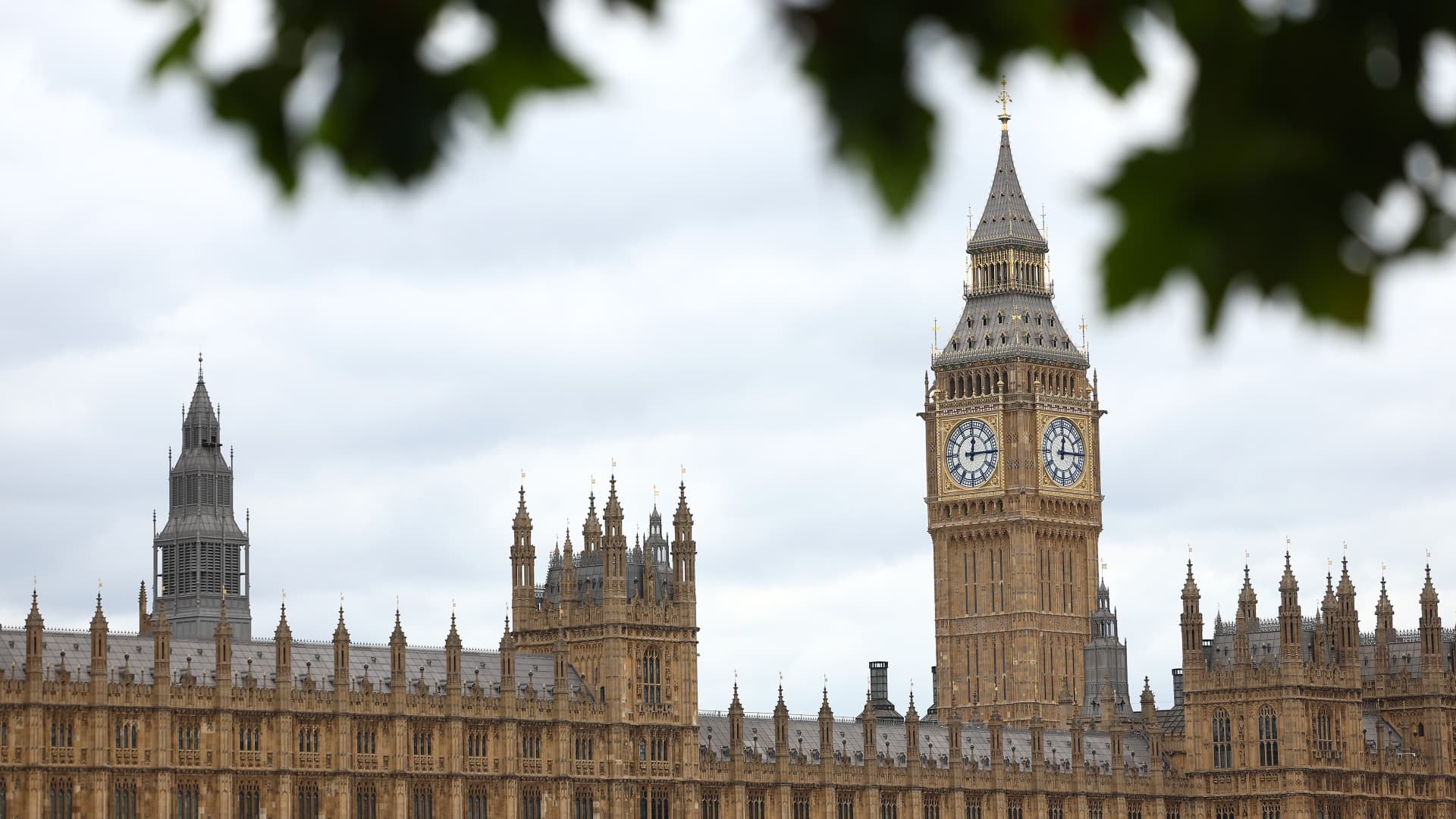
The UK has announced sanctions and an import ban on Israeli settlements in the West Bank, citing concerns over ethnic cleansing and international law. This move, coordinated with France and Canada, has triggered a severe diplomatic rift and retaliatory measures from Israel, including the closure of the UK consulate in East Jerusalem.
A Diplomatic Watershed: The UK’s Pivot on West Bank Settlements
In a significant shift in foreign policy, the United Kingdom has announced a series of sanctions targeting Israeli settlements in the occupied West Bank. Foreign Secretary Ed Miliband, addressing the Houses of Parliament, declared the British government’s official stance that the occupation is unlawful. This policy change, which includes a ban on imports from these settlements, marks a stark departure from previous diplomatic caution and signifies a hardening of London's position regarding the territorial integrity of Palestinian lands.
International Coordination and the Two-State Solution
This initiative is not a unilateral British endeavor but is part of a broader, multilateral effort. The UK has moved in concert with France and Canada, issuing a joint statement that frames these sanctions as a critical step toward preserving the viability of the two-state solution. By aligning with other key Western allies, the UK is attempting to shift the international consensus, moving beyond rhetoric into tangible economic pressure to deter the expansion of settlements that are widely considered illegal under international law.
Defining the Conflict: Allegations of Ethnic Cleansing
Central to the UK's justification for these sanctions is the escalating violence in the West Bank. Foreign Secretary Miliband explicitly utilized the term "ethnic cleansing" to describe the actions of what he termed "settler terrorists," accusing the Israeli government of turning a "blind eye" to these activities. By referencing UN definitions of purposeful policy design, the British government is elevating the urgency of the situation, characterizing the forced displacement of Palestinians not merely as a localized security issue but as a systemic violation of human rights.
The Fallout: Retaliation and Diplomatic Isolation
Israel’s response to these measures has been immediate and severe, signaling a low point in British-Israeli relations not seen in decades. The closure of the UK consulate in East Jerusalem—a critical diplomatic node that facilitates communication with the Palestinian Authority—and the removal of British representatives from the International Gaza Support Centre underscore the depth of the rift. Israel’s reaction reflects a broader frustration with what it perceives as an unfair targeting of its domestic and security policies by Western powers.
Economic and Geopolitical Consequences
Despite warnings from U.S. officials and lawmakers regarding potential economic consequences, the UK government has chosen to proceed. This tension highlights a growing divergence between London and Washington on how to best manage the Israeli-Palestinian conflict. While the U.S. remains wary of destabilizing the regional economic balance, the UK appears willing to prioritize its legal and human rights obligations as perceived by the current administration. The transition period for these measures, expected to last six to nine months, will likely be a period of intense diplomatic maneuvering as both sides weigh the long-term impact of these sanctions on trade and regional security.
Conclusion
The UK’s decision to ban trade with West Bank settlements represents a profound transformation in the geopolitical landscape of the Middle East. Whether this move effectively curbs settlement expansion or merely entrenches the diplomatic divide remains to be seen. However, the coordinated nature of this action suggests that the international community is increasingly moving toward a model of punitive measures to address the long-standing status of the occupied territories.