
For the last two years, the global conversation surrounding GLP-1 receptor agonists has been dominated by a single metric: the number on the scale. We have treated these medications as a magic bullet for obesity, celebrating the rapid disappearance of kilograms and pounds. But is this obsession with the scale blinding us to a more dangerous trend? The reality is that not all weight loss is created equal. When the body sheds mass at the accelerated pace seen with semaglutide and tirzepatide, it doesn't just burn fat; it often consumes lean muscle tissue in the process. This trade-off creates a physiological paradox where a patient may look thinner but possess a metabolic engine that is fundamentally weaker.
This shift in focus—from total weight loss to lean mass preservation—is the defining trend of the current GLP-1 era. We are moving away from the 'honeymoon phase' of rapid results and entering a period of critical correction. The industry is reacting in real-time, as the medical community and consumers realize that losing muscle can lead to decreased basal metabolic rates and potential long-term mobility issues. The urgency is palpable; it is no longer enough to simply be smaller. The goal has evolved into staying strong while getting smaller.
The Protein Pivot: From Convenience to Calculation
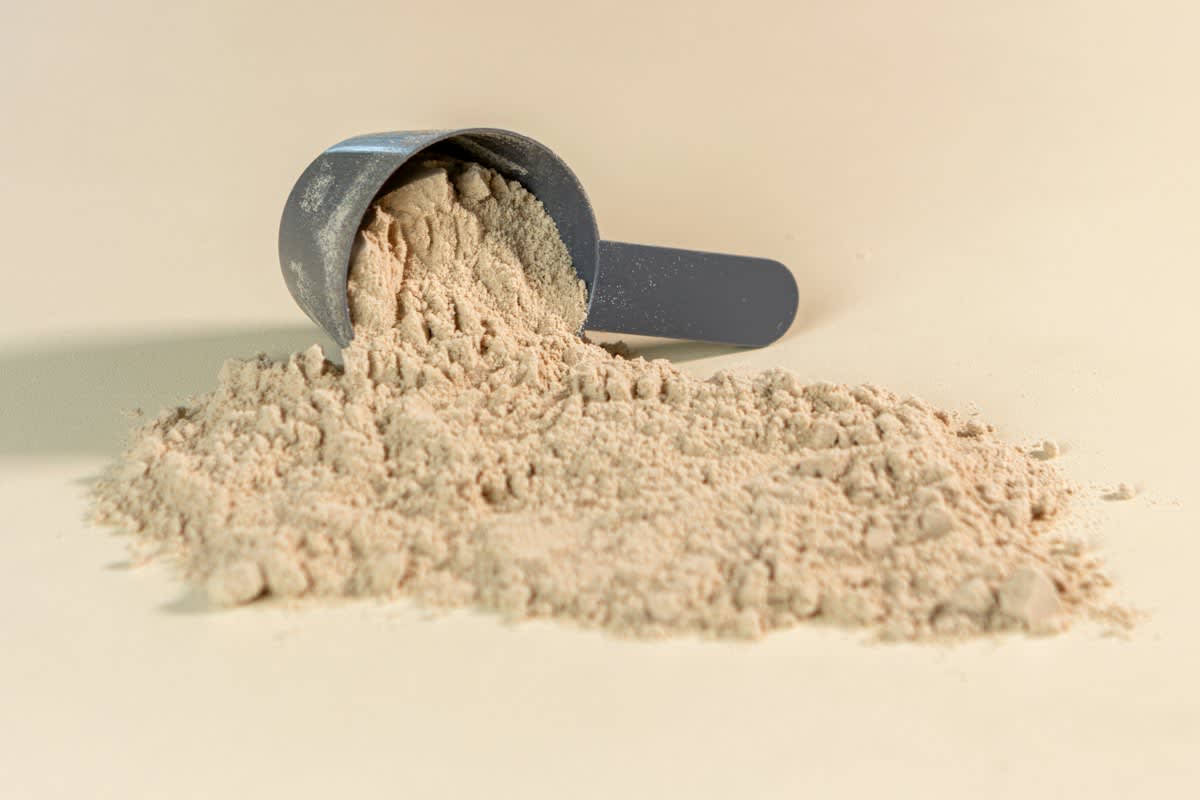
The market is already reflecting this anxiety. We are witnessing a massive 'protein boom' as GLP-1 users scramble to find ways to counter the muscle wasting associated with these drugs (Source: Reuters, 2026). This isn't just a trend in high-end gyms in New York or London; it is a global shift in consumer behavior. People are no longer just buying protein shakes for bodybuilding; they are using them as a defensive strategy to protect their musculoskeletal health. The demand for protein-based products has skyrocketed as users realize that the appetite suppression caused by GLP-1s often leads to chronic under-eating, leaving the body with no choice but to scavenge its own muscle for energy.
However, this boom has brought a new level of skepticism. Consumers are no longer trusting the 'high-protein' label at face value. We have entered what marketing research firm NielsenIQ calls the 'accountability era.' The data shows a sharp increase in nutritional scrutiny: 25% of survey respondents this year reported using scanning apps to verify the actual nutritional value of their food, a significant jump from 17% just a year ago (Source: NielsenIQ, 2026). This delta reveals a sophisticated consumer base that is no longer satisfied with marketing claims; they are auditing their intake with surgical precision to ensure they hit the protein targets required to stave off muscle atrophy.
| Metric | Previous Trend (12-24 Months Ago) | Current Trend (2026) |
|---|---|---|
| Primary Goal | Rapid Weight Reduction | Body Composition Optimization |
| Consumer Behavior | Passive Trust in Labels | Active Scanning/Verification (25%) |
| Dietary Focus | Caloric Restriction | Protein-Centric Preservation |
| Medical Focus | Glycemic Control/Weight | Metabolic Health & Lean Mass |
Why is this happening now? Because the clinical applications of these drugs are expanding. On December 20, 2024, the FDA approved tirzepatide (Zepbound) for the treatment of moderate to severe obstructive sleep apnea (OSA) in adults with obesity (Source: News-Medical, 2026). As these drugs move from treating type 2 diabetes to treating a broader array of obesity-related comorbidities, the volume of users is exploding. With more people on these medications for longer periods, the cumulative effect of muscle loss becomes a systemic health risk rather than an individual side effect.
"GLP-1s have helped people in serious need."— Mayim Bialik, as cited in Healthline
The Practitioner's Dilemma: The Invisible Atrophy
Inside the clinic, the friction is often invisible to the patient. I have seen this play out in countless consultations: a patient arrives beaming because they have lost 50 pounds in four months, but their grip strength has plummeted and their energy levels are cratering. The internal debate among practitioners is fierce. On one side, there is the immediate victory of reducing cardiovascular risk and improving insulin sensitivity. On the other, there is the quiet horror of seeing a patient's sarcopenia accelerate. We are fighting a battle against the medication's own efficiency; the drug is so good at suppressing appetite that patients often forget to eat the very proteins their bodies need to survive the weight loss process.
This creates a difficult coaching environment. How do you tell a patient who is finally seeing the scale move downward that they actually need to eat more—specifically more protein—to avoid long-term frailty? The friction lies in the gap between 'looking thin' and 'being healthy.' Practitioners are now obsessing over resistance training and protein timing, recognizing that without a structured plan to protect lean mass, the weight loss may be pyrrhic.

Beyond the Scale: Metabolic Resilience
The strategy for resilience involves more than just protein powder. There is a growing emphasis on integrated activity. While walking is often touted for its benefits—such as improving blood pressure and insulin resistance in patients with metabolic syndrome (Source: Journal of Physiology, 2023)—it is not a substitute for resistance training. The current trend is a move toward 'metabolic preservation,' where walking is used for cardiovascular health and sleep quality (Source: Journal of Health Psychology, 2024), while heavy lifting is used to signal to the body that muscle tissue is non-negotiable.
We are also seeing a broader medical understanding of GLP-1RAs. Beyond weight, there is evidence that these medications may reduce the risk of dementia, though certainty remains low (Source: BMJ, 2026). This suggests that the value of these drugs extends far beyond the mirror. The challenge now is to ensure that the pursuit of these systemic benefits doesn't leave the patient physically depleted. The goal is a holistic transformation: lower glucose, reduced inflammation, and preserved strength.
Fact-Check & Accuracy Note
Key claims regarding the 'protein boom' and the increase in nutritional scanning apps (from 17% to 25%) are sourced from Reuters and NielsenIQ (2026). The FDA approval of tirzepatide for OSA on December 20, 2024, is a verified regulatory event. The debate regarding the exact percentage of lean mass loss versus fat loss remains an area of ongoing clinical study, as individual responses to GLP-1s vary significantly based on diet and exercise.
Editorial Note
This report highlights a critical transition in the GLP-1 lifecycle. We are moving from the 'discovery phase' of weight loss to the 'optimization phase' of body composition. The emergence of the 'accountability era' suggests that the next wave of health products will not be about losing weight, but about maintaining the quality of the weight that remains.
Ultimately, the trade-off of muscle for weight is not an inevitable side effect of the drug, but a consequence of how we have implemented it. By treating GLP-1s as a standalone solution rather than a component of a broader metabolic strategy, we risked creating a generation of 'skinny fat' patients. The current pivot toward protein verification and strength preservation is a necessary correction. The future of obesity medicine isn't just about how much weight we can strip away, but about how much health we can build in its place.