
For decades, the ultra-processed food (UPF) industry operated on a simple, ruthless premise: engineer food that overrides the human brain's satiety signals. By perfecting the ratio of salt, sugar, and fat—the so-called bliss point—companies ensured that consumers would keep eating long after their nutritional needs were met. But a systemic shift is occurring. The arrival of GLP-1 receptor agonists like semaglutide isn't just a medical breakthrough for obesity; it is a biological blockade against the very mechanisms that drove the UPF market's growth.
Why does this matter for the global economy? Because these medications don't just suppress appetite; they fundamentally alter the desire for the specific profiles of food that define the processed sector. When a significant percentage of the population no longer experiences the dopamine-driven craving for a sugary snack or a high-fat ready-meal, the value proposition of the ultra-processed industry evaporates. We are witnessing the transition from a behavioral struggle with willpower to a biological state of indifference.
The Biological Circuit Breaker
To understand the collapse, one must understand the chemistry. GLP-1 medications mimic natural hormones that signal fullness to the brain and slow the rate at which the stomach empties. However, the real disruption happens in the brain pathways that regulate appetite and food intake (Source: National Geographic, 2026). By modulating these pathways, the drugs effectively mute the 'noise' of cravings. The processed food industry spent billions optimizing flavors to trigger these pathways; GLP-1s simply turn the volume down to zero.
"One of the biggest misconceptions in the GLP-1 era is that these medications work by slowing gastric emptying alone. They also act on the brain pathways that regulate appetite and food intake, and help control blood sugar by stimulating insulin."— Yeoh, Researcher cited in National Geographic
This biological shift is already manifesting in consumer baskets across the globe. In the United States, the scale of adoption is significant, with 12.5% of adults utilizing GLP-1 drugs (Source: KFF Health Tracking Poll, 2026). This isn't a niche medical trend; it is a mass-market migration. When one in eight adults stops craving the high-calorie, low-nutrient profiles of UPFs, the ripple effects hit every stage of the supply chain, from industrial corn syrup producers to the snack aisles of global retailers.
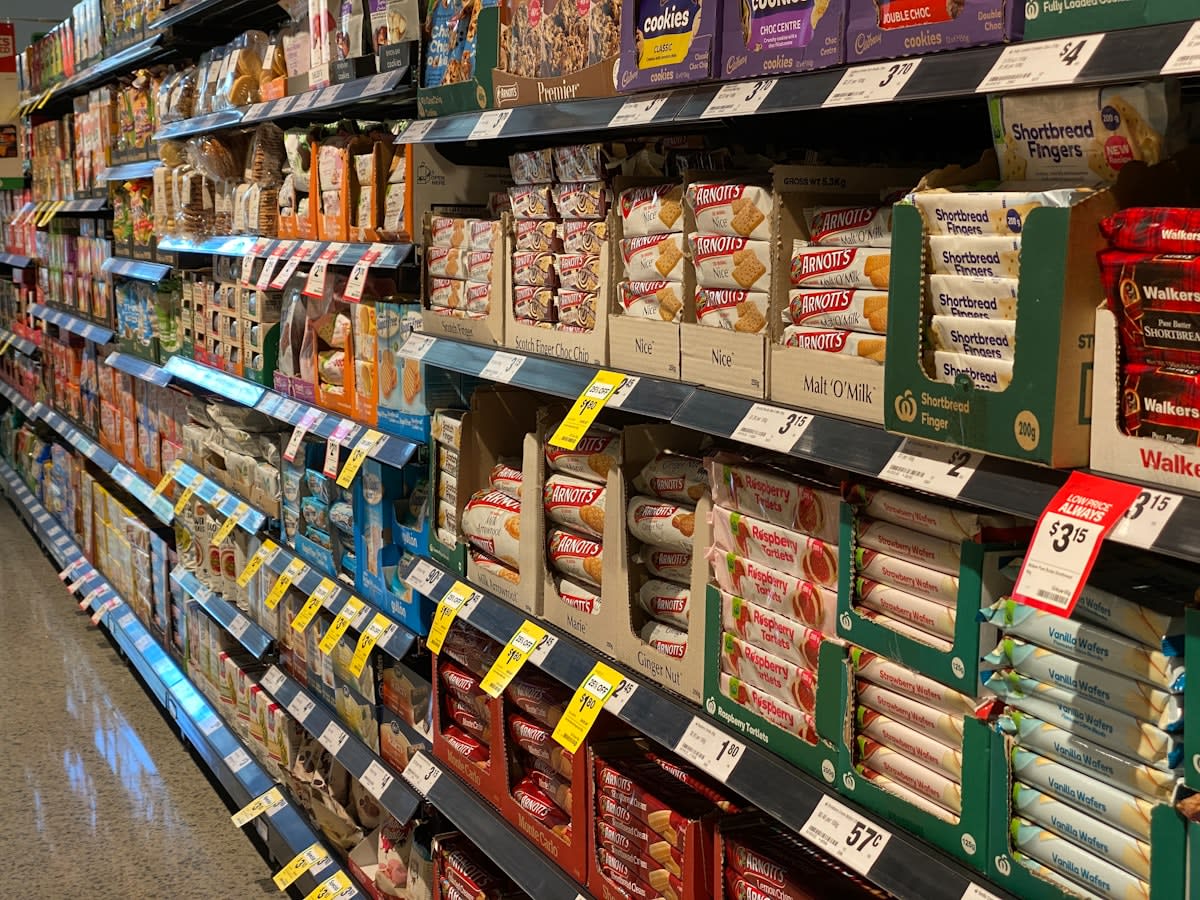
The shift is not limited to North America. In Latin America, the data shows a mirrored trajectory. Consumers using weight-loss medications have been actively cutting back on high-fat and high-sugar purchases, specifically targeting bread, chocolate, and snacks (Source: Worldpanel Brazil, 2026). This suggests that the biological response to GLP-1s transcends cultural food preferences. The 'craving' is a human biological trait, and the medication is a universal off-switch.
The Great Consumption Pivot
As the demand for UPFs craters, a new market is emerging: the nutrition-dense necessity. Users are not eating less in terms of quality; they are eating differently. In Brazil, there is a documented surge in the purchase of products rich in protein and fiber, such as cereals and yogurt (Source: Worldpanel Brazil, 2026). This is a strategic pivot. When appetite is limited, the body and the mind prioritize nutrient density over empty calories.
The numbers back this up. Consumption of high-protein yogurts rose by 16% between January and October of last year (Source: Scanntech/McKinsey, 2026). While the pursuit of wellness was already a factor, semaglutide has acted as a catalyst, accelerating the move toward functional foods. Meanwhile, the legacy categories—processed meats and ready-made sauces—remain sluggish, unable to compete with the new biological priority of the GLP-1 user.
| Consumption Category | Pre-GLP-1 Driver | Post-GLP-1 Driver | Market Trend |
|---|---|---|---|
| Ultra-Processed Snacks | Dopamine/Cravings | Biological Indifference | Declining |
| High-Protein Yogurt | General Wellness | Nutrient Density Priority | Rising (+16%) |
| Processed Meats/Sauces | Convenience/Palatability | Reduced Appetite | Sluggish |
| High-Fiber Grains | Health Consciousness | Satiety Maintenance | Rising |
Is this simply a pharmaceutical fluke, or a permanent correction? To answer that, we have to look at the sheer scale of the metabolic crisis these drugs are addressing. Metabolic dysfunction is the root cause of a cluster of interrelated disorders, including type 2 diabetes and cardiovascular disease (Source: ScienceDirect, 2026). The Global Burden of Disease study attributed 4 million deaths in 2015 alone to increased obesity (Source: Global Burden of Disease, 2015). The market for UPFs was built on a foundation of metabolic dysfunction; as that dysfunction is treated, the market for the foods that fueled it naturally collapses.
This creates a fascinating friction within the food industry. I have spoken with consultants and R&D leads who are currently locked in heated debates. On one side, the 'legacy' executives are desperate to find a new 'bliss point'—a flavor profile that can penetrate the GLP-1 fog. On the other side, the forward-thinking practitioners are arguing that the era of 'hyper-palatability' is over. They realize that the consumer is no longer looking for a hit of dopamine, but for maximum nutrient efficiency per calorie.

Beyond the Pill: The Fiber Convergence
Interestingly, the collapse of the UPF market is being accelerated by a parallel realization: the power of fiber. Research indicates that increasing fiber intake consistently increases satiety and reduces calorie intake, mirroring some of the effects of GLP-1 medications (Source: National Geographic, 2026). This creates a convergence. Whether through pharmaceutical intervention or a return to minimally processed, fiber-rich diets, the result is the same: a reduction in the consumption of ultra-processed foods.
The delta between a minimally processed diet and an ultra-processed one is stark. A landmark study found that individuals on an ultra-processed diet consumed approximately 500 more calories per day than those eating minimally processed foods (Source: National Geographic, 2026). GLP-1s are essentially forcing a massive, global experiment in minimally processed eating. The 'permanent' nature of this collapse stems from the fact that once a consumer experiences the mental clarity of a life without constant food noise, they are unlikely to return to the cycle of cravings.
We are seeing this play out in real-time across diverse populations. From the urban centers of Brazil to the suburbs of the US, the pattern is identical: a move away from the high-fat, high-sugar 'convenience' model and toward a functional, protein-forward approach. The food industry is not just losing customers; it is losing the biological leverage it used to control those customers.
Fact-Check & Accuracy Note
The key claims regarding GLP-1 usage rates in the US (12.5%) and the shift in Brazilian consumption patterns (increased protein/fiber, decreased UPFs) are sourced from the KFF Health Tracking Poll, Worldpanel Brazil, and Scanntech/McKinsey reports. The metabolic data regarding deaths and obesity prevalence is sourced from the Global Burden of Disease study and ScienceDirect. The debate regarding whether these shifts are 'permanent' remains an area of ongoing analysis among market economists and health practitioners.