Blackstone’s Jas Khaira says fears over AI-buildout debt are overblown
Source Entity
Marina Temkin
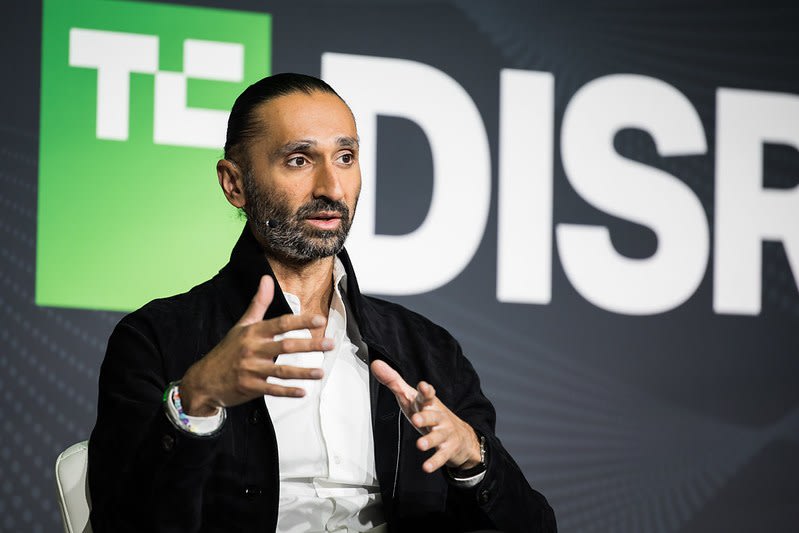
Blackstone’s AI lead Jas Khaira dismisses concerns regarding debt associated with AI infrastructure expansion. The firm is aggressively funding data centers and AI models through its dedicated hub, Blackstone N1, leveraging its massive capital base.
Blackstone’s Strategic Bet on the AI Infrastructure Supercycle
Private equity titan Blackstone has officially signaled its intent to lead the financing of the artificial intelligence revolution. Jas Khaira, the firm's head of AI, recently addressed market concerns regarding the ballooning debt associated with the massive AI buildout at TechCrunch Disrupt. By positioning the firm as a primary capital provider for data centers and frontier AI applications, Blackstone is moving to capitalize on what it views as a fundamental shift in the global technological landscape rather than a speculative bubble.
The Shift from Asset-Light to Capital-Intensive Innovation
Historically, the software-as-a-service (SaaS) and mobile eras were defined by their relatively low barrier to entry. Companies could scale rapidly with moderate venture capital, relying on cloud infrastructure that was already largely commoditized. However, the transition to generative AI has upended this model. As Khaira noted, the current cycle requires staggering amounts of capital to fund the physical infrastructure of AI—specifically the hyper-scale data centers and energy-intensive computing clusters necessary to train large language models.
Blackstone N1: A Centralized Hub for AI Ambition
To manage this transition, Blackstone launched Blackstone N1 (BXN1) earlier this year. Based in San Francisco, this dedicated hub serves as the epicenter for the firm's AI investments. By relocating leadership from New York to the heart of the Silicon Valley ecosystem, Blackstone is signaling a shift toward more hands-on, localized engagement with AI startups and infrastructure developers. This move ensures that the firm is not just a passive lender, but an active participant in the AI supply chain.
Addressing the Debt and Market Jitter Narrative
Market skeptics have frequently raised alarms about the sustainability of the debt required to build out AI infrastructure. However, Blackstone’s perspective suggests that the debt is justified by the tangible, long-term nature of these assets. Unlike speculative software ventures, data centers are physical, income-generating assets that underpin the digital economy. With over $1.3 trillion in assets under management, Blackstone possesses the unique capacity to bridge the gap between traditional credit markets and the high-stakes requirements of AI developers.
Future Trends and Institutional Implications
Looking ahead, the role of private equity in the AI sector is likely to expand significantly. As public markets continue to digest the volatility of AI-related stocks, institutional giants like Blackstone provide the necessary stability to ensure that infrastructure projects reach completion. If the AI buildout continues at its current pace, we can expect Blackstone to further integrate its lending strategies with operational support, potentially becoming the primary landlord and financier for the next generation of global computing infrastructure.
Conclusion
Blackstone’s aggressive stance on AI funding represents a calculated bet on the necessity of physical infrastructure in a digital-first world. By framing the current debt-heavy buildout as an essential investment in future capacity, the firm is attempting to normalize the massive capital requirements of AI. Whether this strategy will yield the anticipated returns remains to be seen, but Blackstone's deep involvement confirms that the era of 'AI-as-infrastructure' has officially arrived.