
You know the feeling. It is 3:00 PM, and your brain suddenly feels like it has been wrapped in cotton wool. You were productive at 10:00 AM, but after a lunch of pasta or a sandwich, the inevitable crash hits. This is not a lack of willpower or a need for more caffeine. It is a biological reaction to a glucose spike. When you consume carbohydrates or sugars on an empty stomach, they convert rapidly into glucose, triggering a massive insulin response that eventually plunges your blood sugar levels below baseline. This roller coaster ride is what drains your energy and leaves you hunting for a sugary snack to survive the afternoon.
The solution does not require a complete dietary overhaul or the elimination of the foods you love. Instead, it requires a shift in architecture. Food sequencing is the practice of eating your nutrients in a specific order to slow down the absorption of glucose into your bloodstream. By creating a biological buffer in your digestive tract, you can significantly flatten the post-meal glucose peak. This approach transforms your meal from a metabolic shock into a steady stream of fuel, preserving your cognitive function and stabilizing your mood throughout the day.
Prerequisites: Setting Your Metabolic Stage
Before you begin sequencing, you need to categorize your plate into three primary functional groups. First, identify your fiber sources: these are primarily non-starchy vegetables like spinach, broccoli, cauliflower, or a crisp side salad. Second, identify your proteins and fats: think of grilled fish, tofu, eggs, avocados, or nuts. Finally, isolate your starches and sugars: this includes rice, potatoes, bread, pasta, and fruit. Having these categories clear in your mind allows you to execute the sequence without overthinking the meal.
- A source of prebiotic fiber (greens, cruciferous vegetables, or seeds).
- A high-quality protein source (animal or plant-based).
- A healthy fat source to slow gastric emptying.
- Complex carbohydrates or natural sugars (reserved for the end).
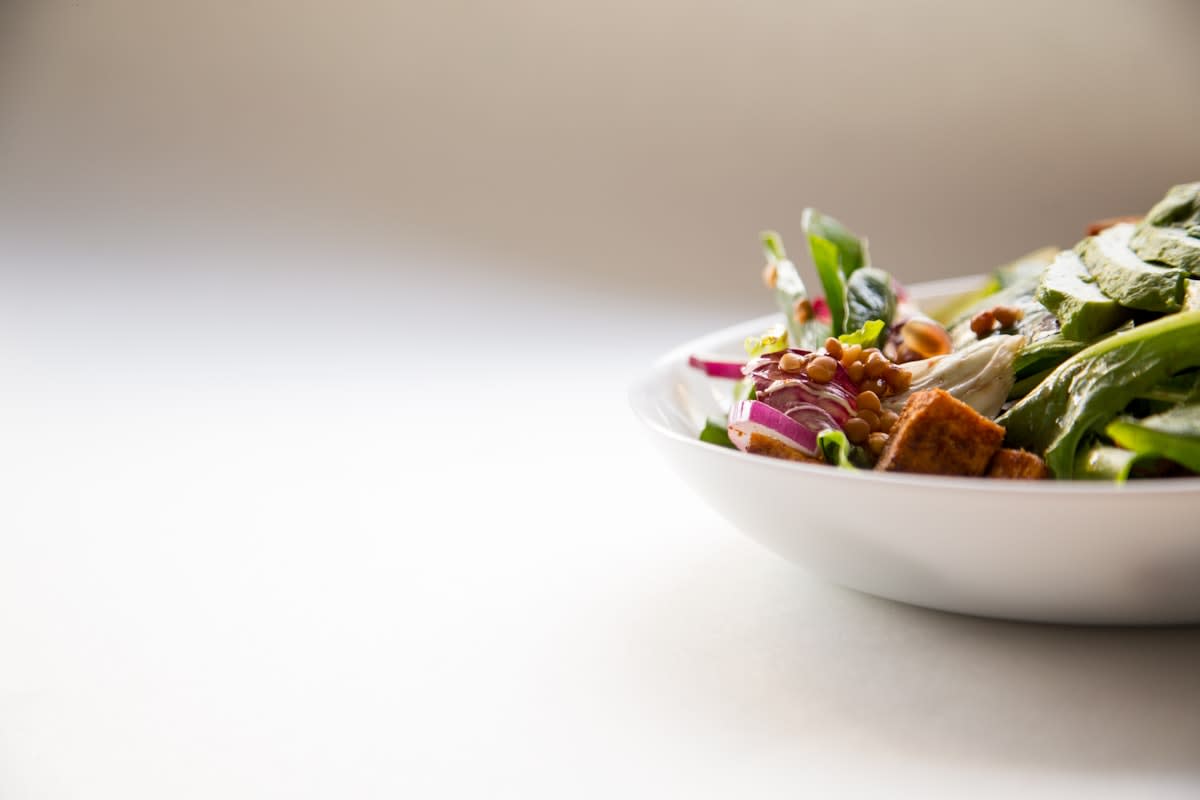
Why does this order matter? When fiber hits your small intestine first, it creates a viscous, gel-like mesh. This mesh acts as a physical barrier that slows the enzyme activity responsible for breaking down starches into glucose. According to the World Health Organization's guidelines on healthy diets (Source: WHO, 2023), increasing dietary fiber is a cornerstone of preventing metabolic dysfunction. By placing fiber first, you are essentially installing a filter that prevents the glucose from flooding your system all at once.
The Sequencing Protocol: Step-by-Step
- Step 1: Start with the Fiber. Eat your vegetables first. Whether it is a bowl of arugula in Rome or a plate of steamed bok choy in Shanghai, the goal is to coat the intestine with fiber. Spend 5 to 10 minutes on this phase before moving forward.
- Step 2: Introduce Proteins and Fats. Move to your main protein and accompanying fats. This includes things like grilled salmon with olive oil or lentils with coconut milk. Proteins and fats further slow down the gastric emptying process, ensuring that whatever follows enters the bloodstream at a glacial pace.
- Step 3: Finish with Starches and Sugars. Only now do you eat your rice, bread, or dessert. Because the fiber and protein are already present, the glucose from these carbs is absorbed much more slowly, preventing the sharp spike and subsequent crash.
Does this mean you can eat unlimited sugar as long as you eat a salad first? Absolutely not. Sequencing is a tool for glycemic control, not a license for metabolic excess. The total caloric load and the quality of the carbohydrates still matter. However, for those who cannot avoid carbs—whether due to cultural traditions or personal preference—this method provides a critical safety net. It allows you to enjoy a piece of sourdough or a bowl of jasmine rice without the cognitive penalty of a glucose crash.
"The order in which we consume our food can be as impactful as the food itself. By altering the sequence, we change the hormonal response of the body, specifically reducing the insulin spike that leads to fat storage and energy depletion."— Clinical Nutrition Guidelines, American Diabetes Association (Paraphrased)
To see this in action, look at traditional eating patterns across the globe. In many Mediterranean cultures, a meal often begins with olives and a fresh salad, followed by fish or meat, and concludes with a small piece of bread or fruit. Similarly, in a traditional Indian Thali, the presence of diverse vegetable preparations and lentils often buffers the impact of the rice or roti. These cultures have intuitively practiced glucose management for centuries, long before the invention of continuous glucose monitors.
The Practitioner's Reality: Friction and Implementation
In my years of implementing these protocols with high-performance clients, the biggest hurdle is rarely the science—it is the social friction. Imagine you are in a corporate boardroom in New York or a business lunch in Tokyo. The bread basket arrives first. The social pressure to break bread with your colleagues is immense. I have seen clients struggle with the perceived 'weirdness' of ignoring the appetizers to eat their side salad first. The debate among practitioners often centers on whether strict adherence is necessary or if a 'rough' sequence is sufficient. In my experience, getting the fiber in first—even if it is just a handful of almonds or a few carrot sticks—provides 80% of the benefit.
Another point of contention in the field is the role of liquid carbohydrates. Many people believe a fruit smoothie is a healthy way to start the day. From a sequencing perspective, this is a disaster. You are delivering concentrated sugar directly into an empty system without any fiber barrier. I always advise clients to move their smoothies to the end of the meal or add a scoop of protein powder and a tablespoon of chia seeds to mimic the sequencing effect. The goal is to avoid the 'naked carb' at all costs.
Common Pitfalls to Avoid
One of the most common mistakes is the 'Health Halo' trap. This happens when you eat a piece of fruit as a 'starter' because it feels healthy. While fruit contains fiber, it also contains fructose and glucose. If you eat an apple before your meal, you have already triggered a glucose response before the protective protein and fat layers are in place. Always save the fruit for the end of the meal, or pair it with a fat source like peanut butter to blunt the impact.
Another pitfall is over-complicating the process to the point of anxiety. You do not need a laboratory scale to measure your fiber. If your plate is 50% greens, 25% protein, and 25% starch, you have the tools. The sequence is simply the order of operations. If you accidentally eat a bite of bread first, do not abandon the meal. Simply pivot back to the vegetables and proteins to mitigate the remaining impact. Consistency over weeks beats perfection for a single day.
| Meal Component | Sequence Order | Primary Metabolic Role |
|---|---|---|
| Non-Starchy Veggies | 1st | Creates fiber mesh to slow glucose absorption |
| Proteins & Healthy Fats | 2nd | Slows gastric emptying and triggers satiety |
| Starches & Sugars | 3rd | Provides energy with a dampened insulin response |
Fact-Check & Accuracy Note
This guide is based on established principles of glycemic index management and gastric emptying rates. Key claims regarding fiber's role in glucose absorption are supported by general clinical nutrition standards used by the WHO and the American Diabetes Association. While sequencing is a powerful tool, individuals with Type 1 or Type 2 diabetes should consult their physician before making significant changes to their eating patterns, as it may affect medication timing and insulin requirements.