Will March To Jantar Mantar Every Day Until Gyanesh Kumar Is Sacked: CJP After Mass Detentions
Source Entity
NDTV News Search Records Found 1000
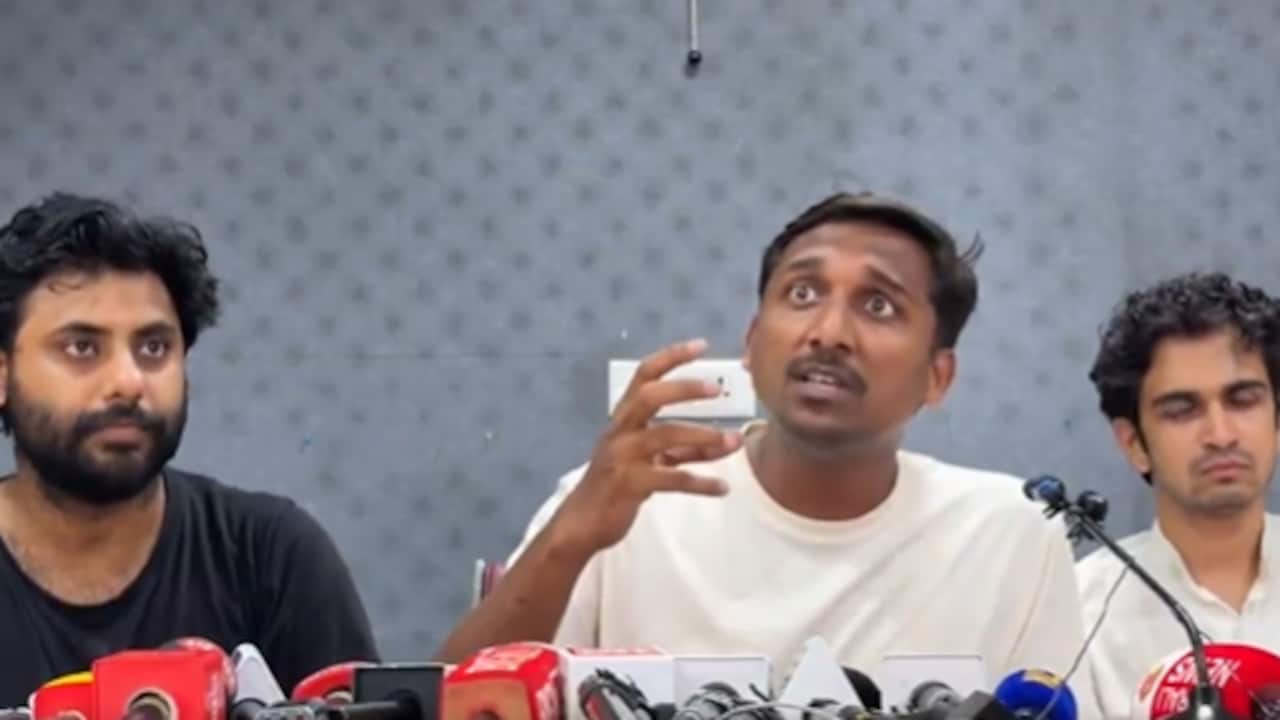
YouTuber Dhruv Rathee was released by Gurugram police following his detention amidst widespread crackdowns on a protest demanding the resignation of the Chief Election Commissioner. Authorities enforced strict security measures across Delhi, leading to significant transport disruptions that are only now beginning to normalize.
Analysis of the Delhi Protests and Detention of Dhruv Rathee
The Detention and Release of Dhruv Rathee
In a significant development concerning the recent political unrest in the National Capital Region, popular YouTuber Dhruv Rathee was detained from his residence in Gurugram’s Sector 56. The detention occurred early Saturday morning, executed by three Crime Branch teams at approximately 6 a.m. Following his apprehension, Rathee was transported to a Crime Branch office for questioning. He was eventually released in the wee hours of Sunday morning, marking the conclusion of a high-profile detention that drew significant public attention.
Context of the 'Cockroach Janata Party' Protest
Rathee’s detention was part of a larger, coordinated security effort to preempt the protest organized by the Cockroach Janata Party. This demonstration, which saw the participation of over 6,000 individuals—including various Opposition leaders, social media influencers, and activists—centered on a singular demand: the resignation of Chief Election Commissioner Gyanesh Kumar. The scale of the detention highlights the sensitivity of the state regarding protests targeting constitutional bodies and election oversight mechanisms.
Security Crackdown in New Delhi
Simultaneously, the Delhi Police and security forces implemented a comprehensive lockdown across New Delhi. Beginning at 6 a.m. on October 10, authorities blocked key arterial roads, including Janpath and Ashoka Road. The deployment was substantial, with security personnel equipped with tear gas munitions holding strategic debriefing sessions to manage the influx of protesters. Despite the heavy security, some early-bird demonstrators from NCR regions like Gurugram and Faridabad successfully reached the Jantar Mantar area before being intercepted and detained by security personnel.
Impact on Regional Infrastructure
Beyond the political implications, the protests caused significant disruptions to public infrastructure. The Northern Railway was forced to cancel numerous services to manage traffic congestion in the Delhi (DLI) area. By Sunday, the situation had stabilized enough for the Northern Railway to restore 214 passenger train services. Despite this normalization, 30 trains remained cancelled, underscoring the lingering operational challenges posed by the mass mobilization of protesters.
Broader Implications and Future Trends
The events surrounding the detention of high-profile digital creators and the subsequent clamping down on protests reflect a growing tension between civil dissent and administrative control in India. The use of pre-emptive detentions and the mobilization of large-scale security forces suggest that authorities are increasingly prioritizing the maintenance of order over the facilitation of public demonstrations. Future trends likely involve continued monitoring of social media figures who influence public mobilization, as well as a more rigid approach to managing mass gatherings in central Delhi to prevent the paralysis of transport and civil services.
Multiple Citing Sources
Verification Required?