'Modi ji himself may have to resign': Kejriwal's Hitler jibe over Delhi crackdown
Source Entity
ABHISHEK MISHRA
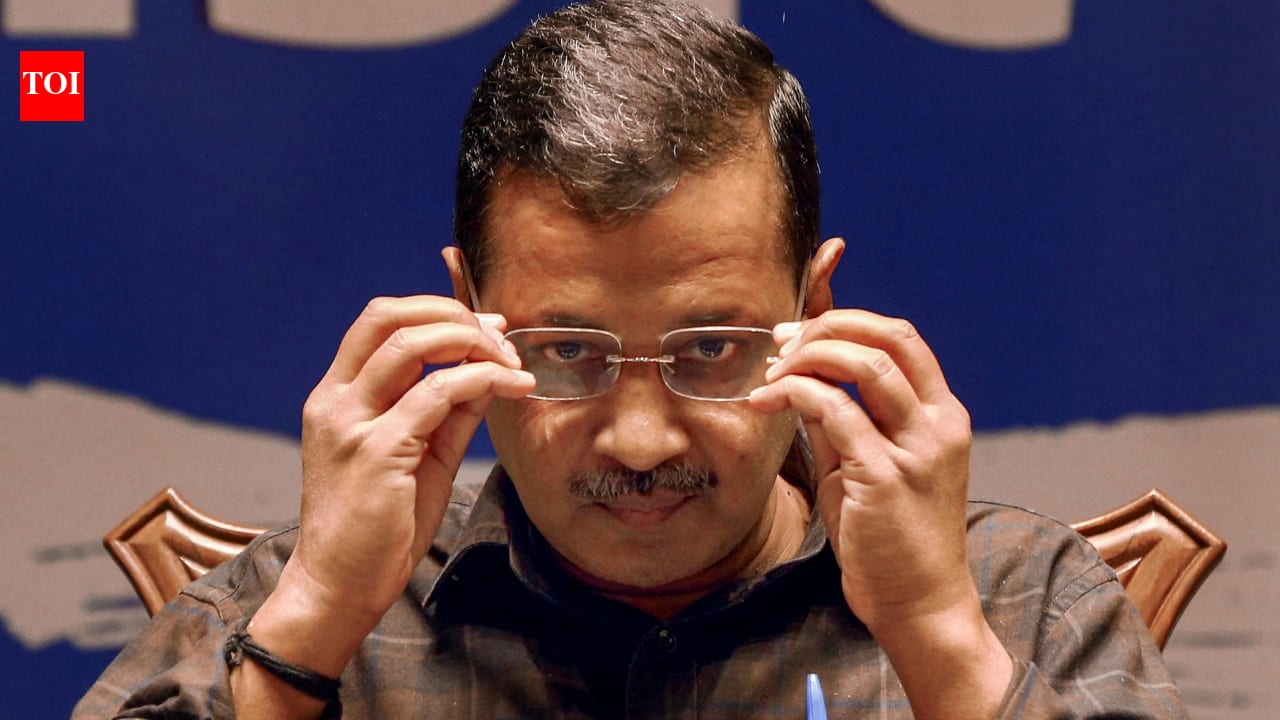
Delhi Chief Minister Arvind Kejriwal has compared the central government's crackdown on protesters to Hitler's regime. He suggested that such political pressures could eventually force Prime Minister Narendra Modi to resign.
The Escalating Rhetoric in Delhi's Political Arena
Recent political discourse in the capital has reached a fever pitch following the latest crackdown on protesters. Delhi Chief Minister Arvind Kejriwal, a prominent opposition figure, has utilized sharp, historical analogies to criticize the central government's handling of civil unrest. By invoking the name of Hitler, Kejriwal is signaling a deep-seated frustration regarding the current state of democratic dissent and the methods employed by law enforcement to manage public demonstrations.
The Hitler Comparison and Democratic Tension
Kejriwal's comparison of Prime Minister Narendra Modi to the Nazi dictator is a deliberate attempt to frame the government's actions as authoritarian. This rhetoric is designed to resonate with a public concerned about the shrinking space for civil liberties. By drawing this parallel, the Aam Aadmi Party (AAP) leadership is positioning itself as the primary defender of democratic values, suggesting that the current administration's tactics are incompatible with the constitutional norms of the Indian state.
Analyzing the Call for Resignation
Beyond mere criticism, Kejriwal’s assertion that "Modi ji himself may have to resign" represents a significant escalation in the opposition's strategic positioning. This is not merely a critique of policy but an existential challenge to the Prime Minister’s mandate. It reflects a belief that the perceived overreach in Delhi will eventually trigger a broader political backlash, potentially undermining the government's stability in the long run.
The Broader Implications for Governance
This confrontation highlights the ongoing tension between the Union government and the Delhi state administration. The capital has become a battleground for competing political ideologies. The use of such aggressive language suggests that the political divide has widened to the point where institutional cooperation is increasingly difficult, leading to a climate of perpetual protest and legislative gridlock.
Historical Context and Future Trends
Historically, Indian politics has often seen sharp exchanges, but the use of totalitarian comparisons marks a shift toward highly personalized political warfare. Looking forward, this trend suggests that as elections approach, the rhetoric will likely intensify further. The outcome of these protests, and the public's reaction to the government's crackdown, will serve as a bellwether for the political climate in India, potentially dictating the tone of future national campaigns and the strength of the opposition coalition.
Conclusion: A Critical Juncture
The situation in Delhi remains a litmus test for the resilience of democratic norms. As Kejriwal continues to challenge the central government's authority, the discourse shifts from policy debates to fundamental questions about leadership and governance. Whether this strategy will mobilize the electorate or alienate moderate voters remains to be seen, but it is clear that the political landscape in Delhi is undergoing a period of profound turbulence.