Delhi sees more protests as 'cockroach' group's leaders released
Source Entity
BBC News
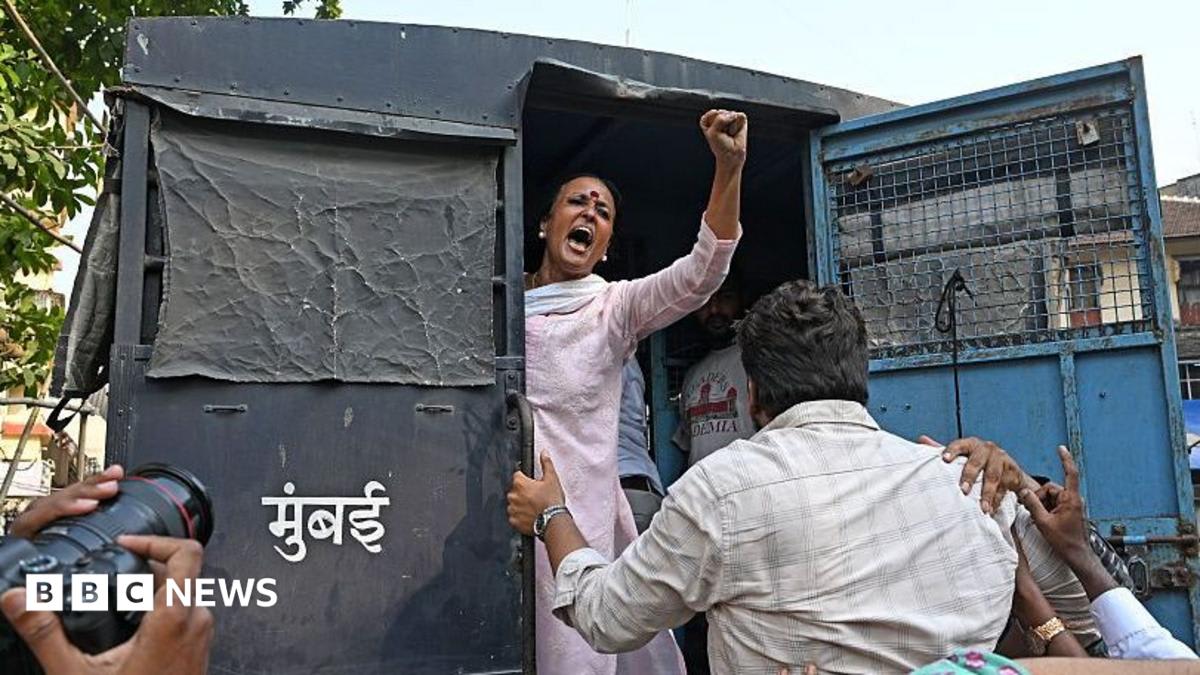
Delhi faces ongoing unrest as the Gen Z-led Cockroach Janta Party (CJP) demands electoral reforms. The government has rejected UN criticism regarding mass detentions, labeling the international body's intervention as unwarranted.
The Rise of the Cockroach Janta Party: A New Wave of Dissent
The political landscape in New Delhi has been significantly disrupted by the emergence of the Cockroach Janta Party (CJP), a youth-led movement that has gained momentum in response to derogatory rhetoric. The movement, spearheaded by Abhijeet Dipke, originated in May following comments from India’s Chief Justice that compared unemployed youth to "cockroaches." This provocative label galvanized a generation, transforming a slur into a symbol of defiance and political mobilization.
The Anatomy of the Delhi Protests
The current unrest centers on demands for electoral transparency and reform, particularly targeting Chief Election Commissioner (CEC) Gyanesh Kumar over alleged irregularities in electoral rolls. The movement’s tactics—characterized by large-scale, decentralized gatherings—have led to a massive security crackdown. Reports indicate that approximately 7,000 demonstrators were detained on a single Saturday, underscoring the scale of state-level intervention and the tactical deployment of barricades throughout the capital to suppress the movement.
Legal and Constitutional Tensions
The detention and subsequent release of CJP leadership have only served to harden the resolve of the activists. In his post-release address, Dipke affirmed that the group would not be intimidated, signaling a protracted struggle ahead of crucial state elections. This defiance places the CJP in a direct confrontational loop with the state apparatus, which maintains that the restrictions placed on protestors are necessary for public order and safety.
International Scrutiny and Sovereignty
The situation has drawn the attention of the United Nations Office of the High Commissioner for Human Rights (OHCHR), which expressed concern over the "mass detentions" and urged the Indian government to adhere to tests of necessity and proportionality regarding assembly rights. India’s swift rejection of these remarks as "misplaced" and "unwarranted interference" highlights a recurring tension between domestic governance and international human rights oversight. The Indian government maintains that its constitutional framework, supported by an independent judiciary and free media, is sufficient to handle internal civic matters.
Future Implications and Democratic Health
As the CJP continues to call for further demonstrations at Jantar Mantar, the core issue of electoral integrity remains unresolved. The movement serves as a litmus test for the role of non-registered political entities in shaping national discourse. With state elections on the horizon, the ability of the government to balance its "reasonable restrictions" for public order against the fundamental right to peaceful protest will be a defining factor in the nation's democratic narrative. The persistence of the CJP suggests that youth-led movements, even when faced with significant administrative hurdles, are increasingly capable of challenging established political norms.
Multiple Citing Sources